
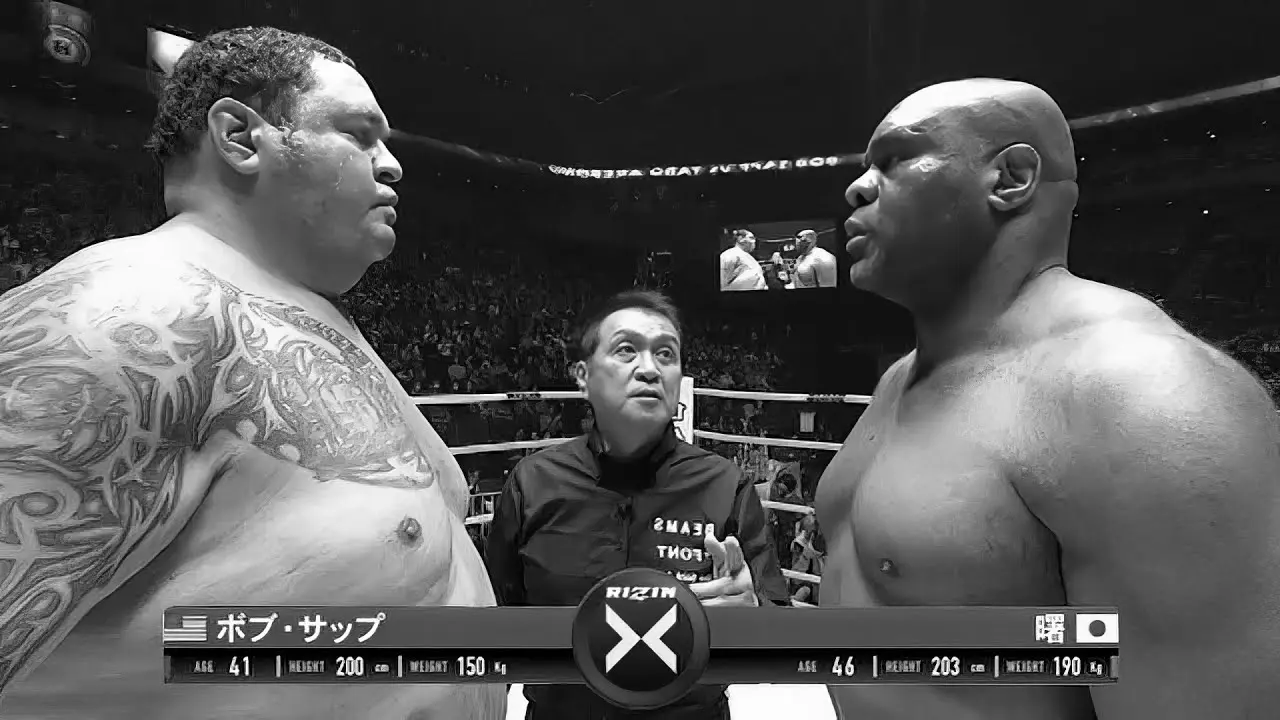
Akebono Taro, the towering figure in the world of sumo wrestling, is a name that resonates with fans and sports enthusiasts alike. Born Chadwick Haheo Rowan, his journey from the sunny shores of Hawaii to becoming a revered sumo legend in Japan is an inspiring story of strength, dedication, and triumph. Akebono’s career is a testament to breaking barriers and achieving greatness in a sport deeply rooted in tradition and cultural significance. In this article, we will delve into Akebono’s life, his best matches, and his profound impact on the sport of sumo wrestling, examining how he has inspired a generation of athletes and fans worldwide.
Akebono’s story is not just about personal achievement; it’s about transcending cultural and national boundaries. His success in the sumo world challenged the status quo and opened doors for other international wrestlers aspiring to make their mark in Japan. As we explore his career, it becomes evident that Akebono’s influence extends beyond the dohyo, the sumo wrestling ring, leaving a legacy that continues to inspire and shape the future of sumo wrestling.
Born Chadwick Haheo Rowan on May 8, 1969, in Waimanalo, Hawaii, Akebono’s path to sumo wrestling was not straightforward. Standing at an impressive 6 feet 8 inches, his height was a significant factor that piqued the interest of sumo scouts in Japan. These scouts saw in him the potential to become a formidable force in sumo wrestling, a sport where size and power are key advantages. In 1988, he made a pivotal decision to move to Japan to pursue a career in sumo, a decision that would change the course of his life and forever alter the landscape of the sport.
Akebono’s early years in Hawaii were marked by a love for athletics, participating in basketball and football during his school years. This athletic background, combined with his natural physique, made him an attractive prospect for the sumo world. His decision to embrace sumo wrestling and move to Japan was not an easy one, requiring him to leave behind his family and familiar surroundings. However, this bold move set the stage for his incredible journey from a young Hawaiian athlete to one of sumo’s greatest champions.
Adapting to life in Japan was challenging for Akebono. The rigorous training, cultural differences, and language barrier were hurdles he had to overcome. Sumo wrestling is not just a sport; it’s a way of life, with strict traditions and demanding schedules that require immense discipline. Akebono’s early days in Japan were spent in a sumo stable, where he had to endure grueling training sessions and adhere to a lifestyle that was vastly different from what he knew in Hawaii.
Despite these challenges, Akebono’s determination and physical prowess helped him navigate these obstacles and quickly ascend the ranks of sumo wrestling. His ability to adapt to the Japanese way of life, learn the language, and embrace the customs of sumo demonstrated his commitment to the sport and respect for its traditions. Akebono’s perseverance and resilience in the face of adversity set him apart, earning the respect of his peers and the admiration of fans as he climbed the ranks toward sumo stardom.
Akebono’s rise in the sumo world was meteoric. He made his professional debut in March 1988 and reached the top division by 1990. His rapid ascent through the ranks was a testament to his exceptional talent, work ethic, and determination. His skill and dedication were evident in his performance, and in January 1993, he was promoted to Yokozuna, the highest rank in sumo wrestling. This achievement was historic, as he became the first non-Japanese wrestler to achieve this honor, breaking a centuries-old tradition and setting a new precedent for the sport.
The promotion to Yokozuna was not just a personal triumph for Akebono; it was a significant milestone for the sumo community. It signaled a shift in the sport’s cultural landscape, highlighting the increasing acceptance and integration of international wrestlers. Akebono’s achievement paved the way for future non-Japanese wrestlers to aspire to the highest ranks, demonstrating that excellence in sumo transcends nationality and cultural background.
Akebono’s fighting style was characterized by his use of power and size to dominate his opponents. His ability to leverage his height and weight gave him an advantage in the ring, where he often used pushing and thrusting techniques to overwhelm his rivals. Akebono’s matches were a spectacle of strength and strategy, captivating audiences worldwide. His unique approach to sumo, combining sheer physical dominance with tactical acumen, made him a formidable opponent and a fan favorite.
Beyond his physical attributes, Akebono’s mental toughness and strategic mindset were key components of his fighting style. He was known for his ability to read his opponents, anticipate their moves, and counteract with precision and force. This strategic depth added an intriguing layer to his matches, elevating them beyond mere displays of brute strength. Akebono’s fighting style not only entertained fans but also inspired a generation of wrestlers to hone their skills and embrace a more strategic approach to sumo.
Throughout his career, Akebono participated in numerous memorable bouts that showcased his exceptional talent and sportsmanship. These matches were not only highlights of his career but also significant moments in sumo history, drawing attention to the sport and elevating its status on the global stage.
One of the most notable rivalries in Akebono’s career was with Takanohana, another sumo great. Their bouts were highly anticipated, drawing massive crowds and media attention. This rivalry was not just about physical prowess but also a mental battle, with each wrestler trying to outthink and outmaneuver the other. The clashes between Akebono and Takanohana were emblematic of the sport’s competitive spirit, showcasing the blend of athleticism and strategy that defines sumo wrestling.
The Akebono-Takanohana rivalry captivated fans and created some of the most thrilling moments in sumo history. Each match was a test of endurance, skill, and willpower, with both wrestlers pushing each other to their limits. This rivalry not only enhanced the popularity of sumo but also brought international attention to the sport, as fans worldwide tuned in to witness these epic battles.
Another significant match in Akebono’s career was against Musashimaru, another Hawaiian-born wrestler who reached the rank of Yokozuna. Their clashes were symbolic, representing the growing diversity within sumo wrestling and the strength of international competitors. These matches were more than just athletic contests; they were cultural milestones, highlighting the global nature of modern sumo and the increasing acceptance of foreign talent in the sport.
The Akebono-Musashimaru encounters were celebrated for their intensity and competitive spirit. Both wrestlers, having shared similar backgrounds and challenges, brought a unique dynamic to their matches, often drawing large audiences and generating significant media coverage. Their matches served as a testament to the evolving landscape of sumo, where international athletes could rise to the pinnacle of the sport and compete at the highest levels.
After retiring from professional sumo in 2001, Akebono explored various opportunities beyond the sumo ring. His post-sumo career was marked by a willingness to embrace new challenges and explore different avenues in the world of sports and entertainment.
In professional wrestling, Akebono became a well-known figure in Japan and internationally. He competed in various wrestling promotions, bringing his unique style and charisma to a new audience. Akebono’s transition to professional wrestling was seamless, as he leveraged his sumo background and larger-than-life persona to captivate fans. His foray into mixed martial arts also demonstrated his willingness to challenge himself and adapt to different combat sports, further showcasing his versatility and passion for athletics.
Akebono’s involvement in professional wrestling and MMA highlighted his ability to reinvent himself and remain relevant in the ever-evolving sports landscape. His success in these arenas proved that his talents extended beyond sumo, allowing him to reach new audiences and continue his legacy as a versatile and dynamic athlete.
Akebono’s impact on sumo and Japanese culture is significant. He broke barriers as the first non-Japanese Yokozuna, paving the way for future international wrestlers. His success helped popularize sumo wrestling globally, attracting new fans and fostering a greater appreciation for the sport. Akebono’s journey was not just about personal achievement but also about cultural exchange and the blending of traditions, as he embraced Japanese customs while sharing his own Hawaiian heritage.
Akebono’s legacy is one of inspiration and transformation. He challenged traditional notions of identity and belonging in sumo, demonstrating that excellence knows no boundaries. His story has inspired countless individuals to pursue their dreams, regardless of the obstacles they may face, and has contributed to a more inclusive and diverse sumo community.
Akebono’s legacy extends beyond his achievements in the ring. He is a symbol of perseverance and determination, inspiring countless individuals to pursue their dreams despite obstacles. His journey from Hawaii to becoming a sumo legend is a testament to the power of hard work and dedication. Akebono’s story is a reminder that with passion and commitment, anything is possible, regardless of one’s background or origin.
Akebono’s success has inspired a new generation of sumo wrestlers, particularly those from outside Japan. His story encourages aspiring athletes to break boundaries and believe in their potential, no matter where they come from. Akebono’s influence is evident in the increasing diversity of the sumo community, as more international wrestlers are drawn to the sport, inspired by his trailblazing journey and remarkable achievements.
His legacy continues to resonate with young athletes who see in Akebono a role model who overcame adversity and achieved greatness on the world stage. By sharing his experiences and insights, Akebono has become a mentor to many, offering guidance and encouragement to those who aspire to follow in his footsteps.
Today, Akebono remains an influential figure in the world of sumo wrestling. He continues to promote the sport and share his experiences, ensuring that the rich traditions of sumo are passed down to future generations. Akebono’s commitment to preserving and promoting the cultural heritage of sumo is evident in his ongoing involvement in the sport, where he advocates for its values and traditions.
As a cultural ambassador, Akebono plays a vital role in bridging the gap between traditional Japanese customs and the modern, globalized world. His efforts to promote sumo on a global scale ensure that the sport remains vibrant and relevant, attracting new fans and fostering a deeper appreciation for its history and significance.
Akebono Taro’s journey from a young Hawaiian to a sumo Yokozuna is a remarkable story of triumph and influence. His impact on the sport and his cultural significance make him a legendary figure in sumo wrestling. Through his dedication and achievements, Akebono has left an indelible mark on the world of sumo, inspiring fans and athletes alike.
In exploring Akebono’s life and career, we gain a deeper appreciation for the sport of sumo wrestling and the individuals who dedicate their lives to it. Akebono’s story is a reminder of the power of perseverance and the global reach of this ancient Japanese tradition. His legacy continues to inspire future generations, affirming that with passion, dedication, and a willingness to break boundaries, one can achieve greatness in any field.