
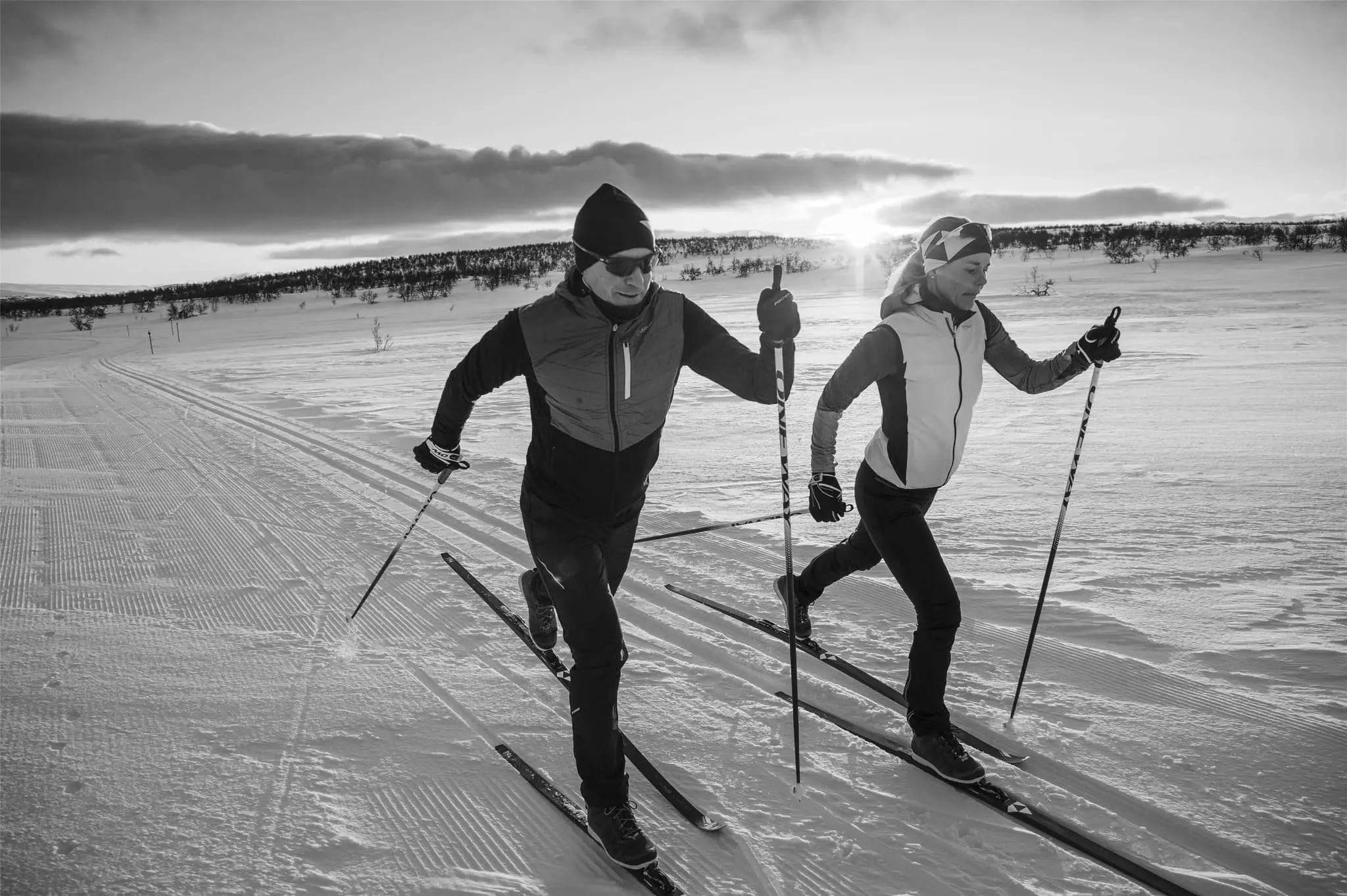
Classic skiing, often referred to as Nordic skiing, involves a technique where skiers glide forward on parallel tracks. This style is reminiscent of walking or running on snow, utilizing a diagonal stride. It is perfect for those who enjoy a rhythmic and steady pace while enjoying the tranquility of winter.
The History and Evolution of Classic Skiing
Classic skiing has a rich history that dates back thousands of years, originating in Scandinavia. It began as a mode of transportation across snowy terrains and has evolved into a popular recreational activity worldwide. Over the years, the equipment and techniques have advanced, allowing skiers to enjoy the sport with greater ease and efficiency. Understanding this history provides context and appreciation for the sport’s development.
Benefits of Classic Skiing
Classic skiing offers numerous physical and mental health benefits. Physically, it provides a full-body workout, engaging muscles throughout the body, and is an excellent cardiovascular exercise. Mentally, the rhythmic nature of skiing can be meditative, reducing stress and enhancing mood. Additionally, being outdoors in nature, especially in winter’s serene landscapes, can provide a significant boost to mental well-being.
Classic Skiing vs. Skate Skiing
While classic skiing involves a parallel stride, skate skiing is characterized by a V-shaped motion similar to ice skating. Classic skiing is often preferred by those who enjoy a more traditional approach and the ability to ski in various snow conditions. In contrast, skate skiing requires more specific conditions and offers a faster pace. Understanding these differences can help skiers choose the style that best suits their preferences and physical condition.
Essential Equipment for Classic Skiing
Choosing the right equipment is crucial for an enjoyable skiing experience. Here are some of the top cross-country skis available in the market:
Rossignol Evo OT 65 Positrack Cross-Country Skis with Turnamic Bindings
The Rossignol Evo OT 65 Positrack skis are designed for stability and ease of use, making them ideal for beginners and intermediates. The Turnamic bindings offer quick and easy adjustments, ensuring comfort and performance on various terrains. These skis are crafted with a focus on versatility, allowing skiers to tackle different snow conditions confidently.
Fischer Voyager EF Cross-Country Skis with Turnamic Bindings
Fischer Voyager EF skis provide excellent grip and glide, thanks to their efficient grip pattern. These skis are perfect for skiers looking for a reliable and easy-to-use option for classic skiing. They are designed to handle both groomed trails and off-track adventures, offering flexibility to explore diverse terrains.
Madshus Fjelltech M50 Skin Cross-Country Skis
The Madshus Fjelltech M50 Skin skis are known for their versatility and performance. They feature integrated skins for a smooth glide and reliable grip, making them suitable for diverse snow conditions. These skis are particularly favored by skiers who value low maintenance as the skin inserts eliminate the need for regular waxing.
Salomon Escape Outpath 60 Cross-Country Skis with Prolink Bindings
Salomon’s Escape Outpath 60 skis offer a lightweight and durable design, perfect for long-distance skiing adventures. The Prolink bindings ensure a secure connection between the skier and the ski, enhancing control and stability. These skis are engineered for endurance, making them a great choice for those who enjoy extended tours across varied landscapes.
Rossignol Delta Sport R-Skin Cross-Country Skis
The Rossignol Delta Sport R-Skin skis are crafted for performance-oriented skiers. Their R-Skin technology provides precise grip and glide, allowing skiers to tackle challenging terrains with confidence. These skis are ideal for those looking to push their limits and improve their technique on competitive or recreational trails.
Best Ski Resorts for Classic Skiing
Exploring the best ski resorts can significantly enhance your classic skiing experience. Here are a few destinations known for their excellent cross-country skiing facilities:
Methow Trails, Washington
Methow Trails offers over 200 kilometers of meticulously groomed trails, catering to all skill levels. This destination is perfect for skiers seeking expansive networks and breathtaking vistas. The area is known for its reliable snow conditions and diverse trail options, from gentle beginner paths to challenging routes for seasoned skiers. Methow Trails also hosts various events and workshops, making it a vibrant community for skiing enthusiasts.
Royal Gorge, California
Royal Gorge is one of North America’s largest cross-country ski resorts, boasting diverse trails and stunning views. It provides an ideal setting for classic skiing enthusiasts to immerse themselves in nature. With its vast trail system, skiers can explore different terrains, from open meadows to dense forests. The resort also offers excellent facilities, including rental services and guided tours, enhancing the overall skiing experience.
Trapp Family Lodge, Vermont
The Trapp Family Lodge offers European-style trails nestled in the serene landscapes of Vermont. With a rich history and well-maintained trails, it is a must-visit for classic skiing aficionados. The lodge provides a charming alpine atmosphere, complemented by modern amenities and services. Visitors can enjoy a variety of trails suited for all levels, along with opportunities for après-ski activities and relaxation.
Mont-Sainte-Anne, Quebec
Mont-Sainte-Anne is renowned for its extensive network of cross-country ski trails, offering a mix of challenging and beginner-friendly routes. The picturesque surroundings make it a favorite among classic skiers. The resort is known for its exceptional grooming and snow quality, ensuring a smooth skiing experience. Additionally, Mont-Sainte-Anne hosts numerous events and races, attracting ski enthusiasts from around the world.
Additional Noteworthy Destinations
Beyond these top resorts, there are many other destinations worth exploring for classic skiing. Places like the Tahoe Donner Cross Country in California, the Gatineau Park in Quebec, and the Craftsbury Outdoor Center in Vermont offer unique skiing experiences. Each location provides distinct trails, stunning scenery, and a welcoming community for skiers of all levels.
Classic Skiing Techniques
Mastering classic skiing techniques can greatly enhance your efficiency and enjoyment on the trails. Here are some essential techniques to focus on:
Diagonal Stride
The diagonal stride is the fundamental technique in classic skiing. It involves a rhythmic push and glide motion, similar to walking. To perform this technique, coordinate your arm and leg movements, maintaining a steady rhythm. Beginners should focus on balance and coordination, while more experienced skiers can work on increasing their stride length and speed for greater efficiency.
Double Poling
Double poling is used on flat or slightly downhill sections. It involves using both poles simultaneously to propel yourself forward. This technique provides speed and efficiency, especially on groomed trails. To execute double poling effectively, engage your core muscles and maintain a strong posture. Practice on gentle slopes to build strength and confidence in this technique.
Kick and Glide
The kick and glide technique combines a powerful kick off the snow with a smooth glide. Focus on transferring your weight from one ski to the other, maintaining balance and rhythm. This technique is crucial for maintaining momentum and efficiency on various terrains. Skiers should practice the timing of their kick and glide to maximize their forward movement and conserve energy.
Climbing Techniques
Classic skiing often involves navigating uphill sections, which require specific techniques. Herringbone and diagonal stride with increased pole usage are common methods for climbing. The herringbone technique, where skis are angled outward, provides stability and traction on steep inclines. Practicing these techniques on varying slopes can help skiers improve their climbing efficiency and confidence.
Descending Techniques
Descending in classic skiing requires control and balance to maintain speed safely. Techniques such as snowplowing and step turns are essential for navigating downhill sections. Snowplowing helps reduce speed, while step turns allow for controlled direction changes. Skiers should practice descending on gentle slopes to build their skills and gradually progress to more challenging terrains.
Choosing the Right Skis for Your Needs
Selecting the right skis depends on various factors, including your skill level, preferred terrain, and skiing goals. Here are some recommendations based on different needs:
For Beginners
Consider skis like the Rossignol Evo XT 55 Positrack, which offer stability and ease of use. These skis are designed to help beginners build confidence and master basic techniques. Their forgiving design and reliable grip make them ideal for learning and enjoying classic skiing in various snow conditions.
For Intermediate Skiers
The Fischer Fibre Crown EF skis provide a balance of performance and comfort for skiers with some experience. These skis offer improved glide and stability, allowing intermediate skiers to enhance their skills and explore more challenging trails. They are suitable for a range of terrains, making them a versatile choice for advancing in classic skiing.
For Advanced Skiers
The Salomon RC7 Eskin Medium skis are designed for skiers seeking high performance and precise control. These skis offer exceptional responsiveness and speed, making them ideal for experienced skiers looking to push their limits. Advanced skiers will appreciate the precision and performance these skis provide on competitive or demanding trails.
Considerations for Terrain and Conditions
When choosing skis, consider the types of terrain and snow conditions you will encounter. Skis with integrated skins or waxless bases are ideal for varied conditions, while traditional waxable skis may offer better performance in specific snow types. Understanding your preferred skiing environment can help guide your equipment selection.
Customizing Your Equipment
Customizing your ski setup, including bindings and poles, can enhance your skiing experience. Adjustable bindings offer flexibility, while lightweight poles can improve efficiency. Consider consulting with a professional to ensure your equipment is tailored to your specific needs and preferences.
Tips for a Successful Classic Skiing Experience
- Stay Hydrated: Carry a water bottle or hydration pack to stay refreshed on the trails. Proper hydration is crucial for maintaining energy levels and preventing fatigue during your skiing adventures.
- Dress in Layers: Wear moisture-wicking base layers, insulating mid-layers, and a waterproof outer layer to stay comfortable in varying weather conditions. Layering allows you to adjust your clothing based on activity level and temperature, ensuring comfort throughout your ski.
- Warm Up: Perform dynamic stretches and warm-up exercises before hitting the trails to prevent injuries. Focus on movements that engage the muscles used in skiing, such as lunges, arm swings, and leg swings.
- Respect Trail Etiquette: Follow trail signs, yield to faster skiers, and avoid walking on groomed tracks to maintain trail quality. Being considerate of other skiers and maintaining the integrity of the trails ensures a pleasant experience for everyone.
- Plan Your Route: Familiarize yourself with the trail map and plan your route according to your skill level and time available. Knowing the trail conditions and potential challenges can help you prepare adequately and enjoy your skiing excursion.
Classic skiing is a rewarding and accessible winter sport that offers a unique way to connect with nature. By choosing the right equipment, mastering essential techniques, and exploring renowned ski resorts, you can elevate your classic skiing experience to new heights. Whether you’re a beginner or an experienced skier, the joy of gliding through snow-covered landscapes awaits you.