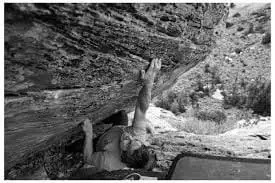
When it comes to climbing, choosing the right gear is essential, especially when it comes to ropes. Static climbing ropes are a vital part of any climber’s kit, particularly for activities like abseiling, caving, and rescue operations. These ropes are specially designed to provide stability and control, ensuring the safety and efficiency of climbers and rescuers alike. This guide will explore the best static climbing ropes available on the market, helping you make an informed decision for your climbing adventures. Whether you’re a seasoned professional or a recreational enthusiast, having the right static rope can make all the difference in your climbing experience.
Understanding Static Climbing Ropes
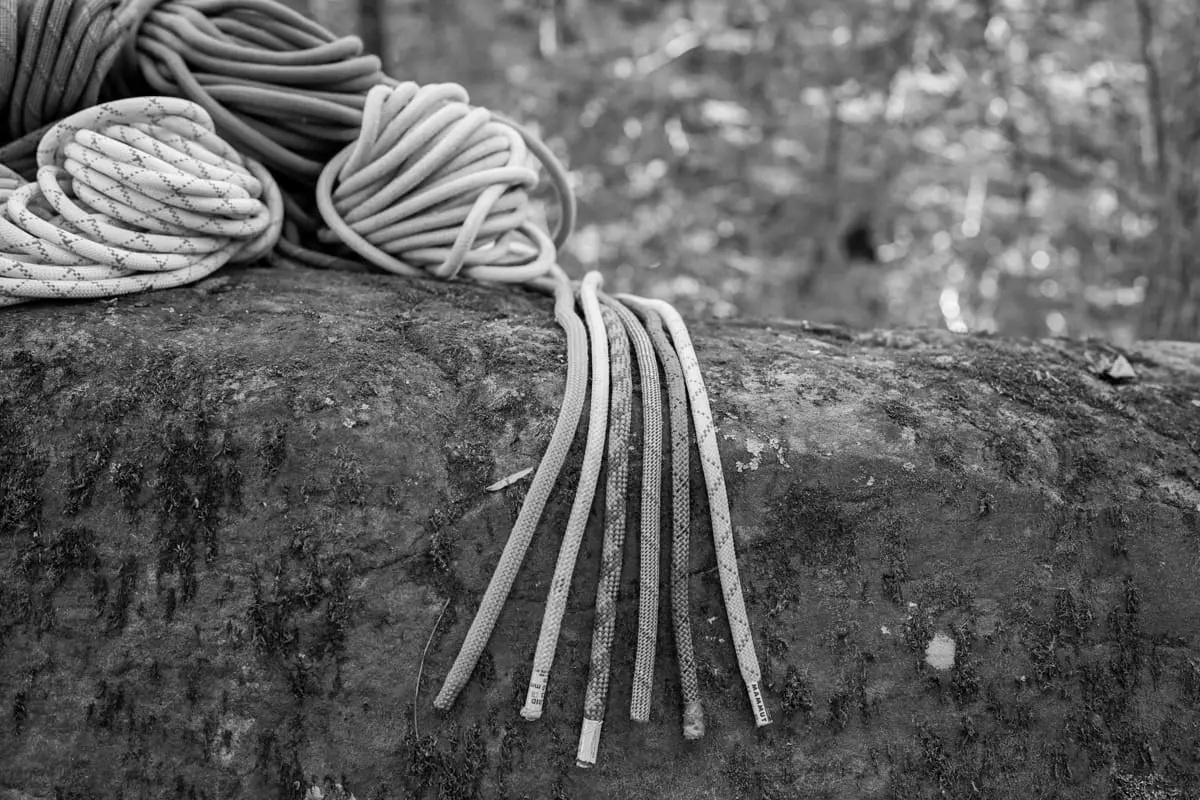
Static ropes are designed not to stretch under load, which makes them ideal for situations where you need stability and control. Unlike dynamic ropes, which are used for lead climbing due to their elasticity, static ropes are perfect for activities where minimal stretch is preferred. This lack of stretch means that static ropes are excellent for activities that require precise movements and consistent tension, such as hauling gear or setting up fixed lines. Moreover, their durability and resistance to abrasion make them a reliable choice in rugged and demanding environments.
Why Choose a Static Rope?
Static ropes are particularly useful for:
- Rescue operations where stability is crucial: In rescue scenarios, every second counts, and a static rope’s unwavering stability can be a lifesaver. Rescuers rely on these ropes to secure themselves and their gear, ensuring a safe and effective mission.
- Caving and canyoning: These adventurous activities often involve navigating through tight spaces and descending steep drops. Static ropes provide the necessary strength and reliability to tackle these challenges head-on.
- Fixed line climbing: When setting up a fixed line, having a rope that doesn’t stretch ensures that the line remains taut and secure, providing a reliable anchor point.
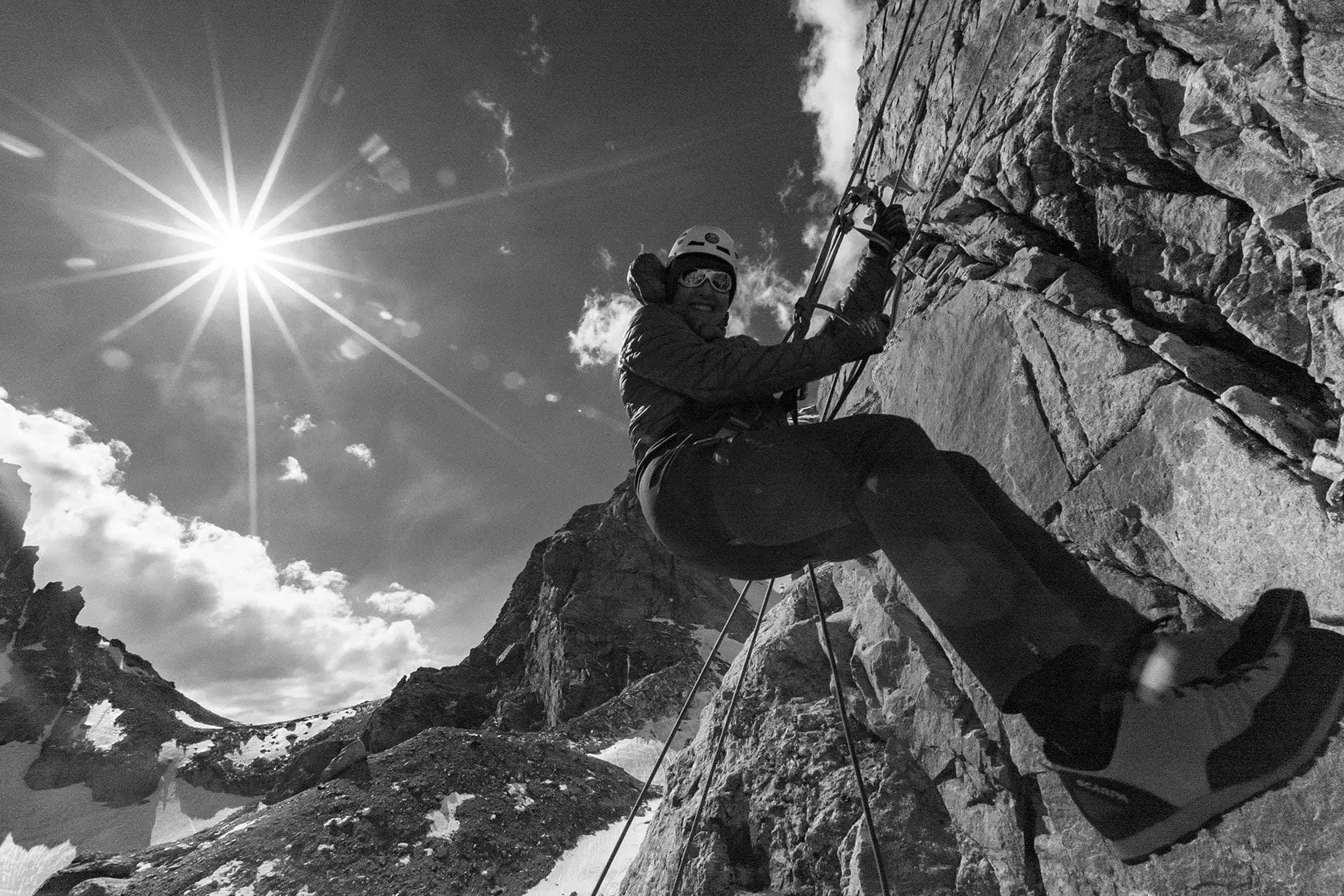
- Abseiling and rappelling: The lack of stretch in static ropes allows for smooth and controlled descents, making them the preferred choice for abseiling and rappelling.
These ropes are robust, durable, and provide the support needed for these specific activities. Their construction is designed to withstand the rigors of demanding environments, ensuring that climbers can focus on their tasks without worrying about their equipment. Now, let’s look at some of the best static climbing ropes available.
Top Static Climbing Ropes
PMI E-Z Bend Sport 11 mm Non-Dry Static Rope
The PMI E-Z Bend Sport is an excellent choice for climbers seeking a balance of durability and flexibility. This 11 mm rope is known for its ease of handling and knotability, making it ideal for a variety of static applications. Its non-dry construction is perfect for dry environments, ensuring that it remains lightweight and manageable. The rope’s robust design ensures long-term reliability, even with frequent use, making it a favorite among climbers who need a dependable rope for multiple scenarios.
Key Features:
- Diameter: 11 mm
- Length: Available in various lengths, including 46 m
- Non-dry construction
- Excellent knotability
BlueWater Assaultline 11.4 mm x 46 m Non-Dry Rope
The BlueWater Assaultline is renowned for its strength and reliability. With a diameter of 11.4 mm, this rope is designed for demanding situations, including tactical operations and rescue missions. Its non-dry finish is suitable for controlled environments where water exposure is minimal. The rope’s high abrasion resistance ensures that it can withstand the toughest conditions, making it an ideal choice for professionals who require a rope that can handle high-stress situations.
Key Features:
- Diameter: 11.4 mm
- Length: 46 m
- High abrasion resistance
- Ideal for tactical operations
BlueWater Canyonator 9 mm x 65 m Non-Dry Rope
For those who venture into canyons, the BlueWater Canyonator is a standout option. Its 9 mm diameter provides a balance of lightweight and strength, making it perfect for long descents and technical canyoning routes. The Canyonator’s design prioritizes ease of use in challenging environments, ensuring that climbers can navigate complex terrains with confidence. Its lightweight nature also makes it easier to transport, which is a significant advantage for long expeditions.
Key Features:
- Diameter: 9 mm
- Length: 65 m
- Lightweight and strong
- Designed for canyoning
Sterling SafetyPro 10 mm x 50 m Static Rope
Sterling’s SafetyPro is a versatile static rope, ideal for a range of professional and recreational applications. With a 10 mm diameter, it’s well-suited for rescue operations and work positioning. The SafetyPro’s construction ensures durability and longevity, even with regular use in demanding environments. Its versatility makes it a popular choice among climbers who need a reliable rope for various activities, from technical climbs to emergency rescues.
Key Features:
- Diameter: 10 mm
- Length: 50 m
- Versatile and durable
- Suitable for professional use
Sterling WorkPro 10 mm x 46 m Non-Dry Rope
The Sterling WorkPro offers exceptional performance for industrial and rescue applications. Its 10 mm diameter provides a perfect balance of weight and strength, while the non-dry finish is suitable for controlled conditions. The rope’s robust construction ensures that it can handle the rigors of industrial work, making it a reliable choice for professionals who need a dependable rope for daily use. Its durability and strength make it an excellent investment for those who require a rope that can withstand heavy-duty tasks.
Key Features:
- Diameter: 10 mm
- Length: 46 m
- Durable and strong
- Ideal for industrial applications
Choosing the Right Static Climbing Rope
When selecting a static climbing rope, consider the following factors to ensure you choose the best option for your needs:
Diameter and Length
The diameter of the rope affects its weight, strength, and handling characteristics. Thicker ropes, like the BlueWater Assaultline, offer increased strength and durability, making them ideal for heavy-duty tasks and environments. On the other hand, thinner ropes, like the BlueWater Canyonator, provide a lighter weight option for specific activities where portability and ease of handling are crucial. Additionally, consider the length of the rope based on your intended use, as longer ropes may be necessary for extended routes or deep descents.
Construction Type
Static ropes come in both dry and non-dry constructions. Non-dry ropes, like those mentioned above, are suitable for dry environments where water exposure is minimal. However, if you expect to encounter wet conditions, consider a dry-treated rope to enhance water resistance and maintain performance in damp or rainy scenarios. The construction type can significantly impact the rope’s longevity and performance, so choose based on the environments you plan to navigate.
Specific Use Cases
Consider the primary activities you’ll be using the rope for. Some ropes, like the PMI E-Z Bend Sport, are versatile for various static applications, making them suitable for climbers who engage in multiple activities. Others, like the BlueWater Canyonator, are specialized for canyoning, providing targeted performance features for that specific activity. By understanding your primary use cases, you can select a rope that offers the best balance of features and benefits for your needs.
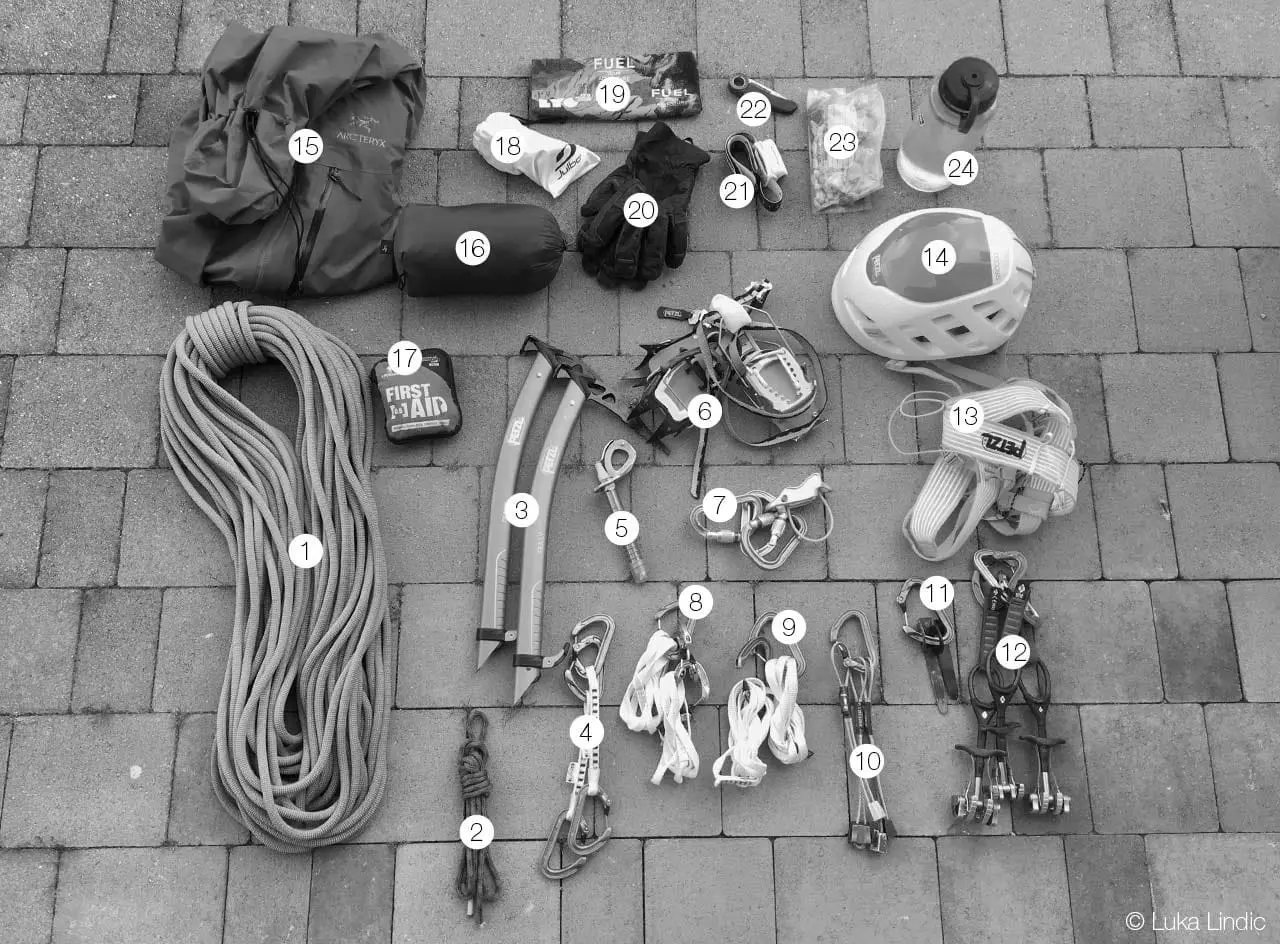
Other Essential Climbing Gear
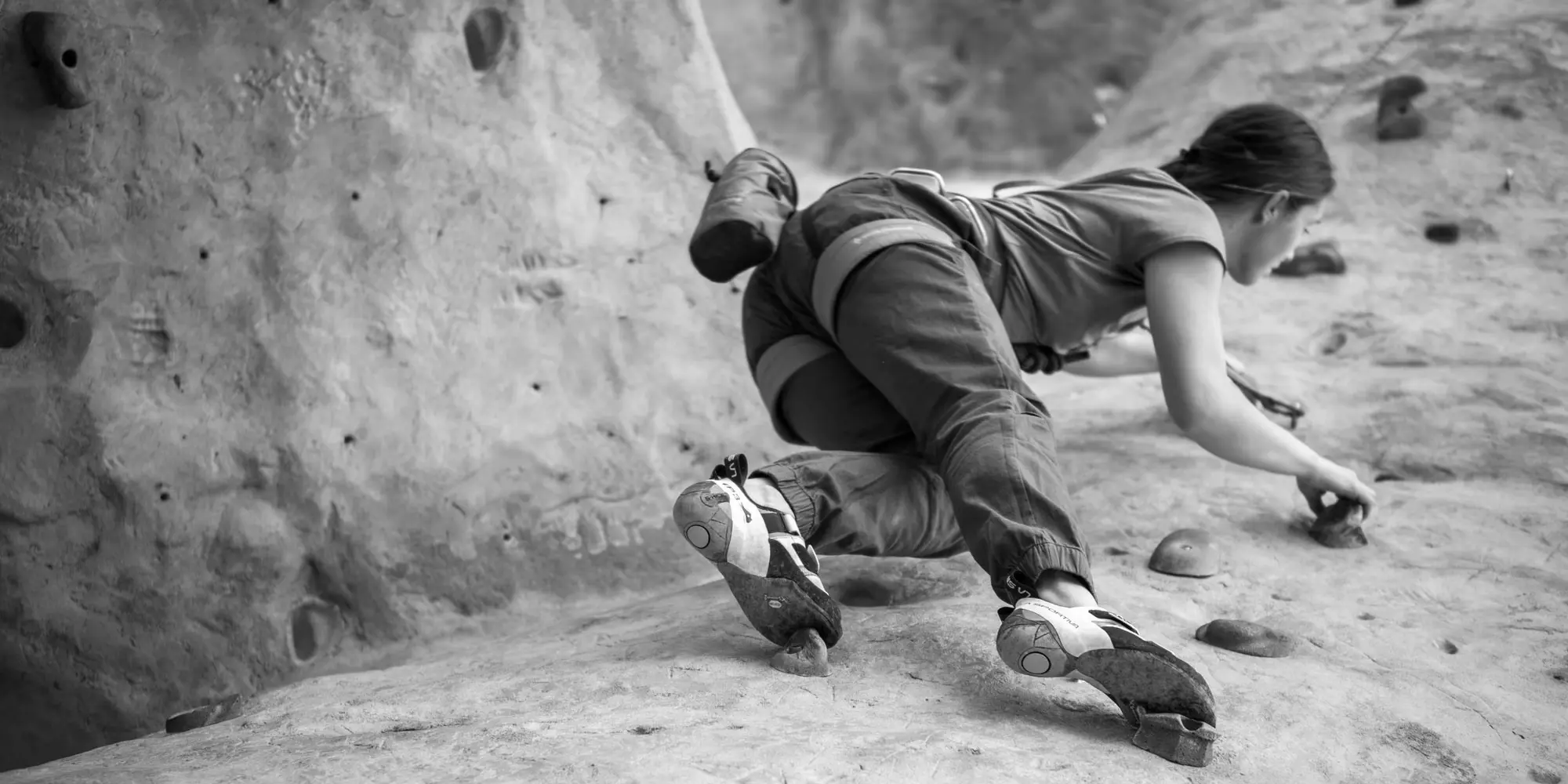
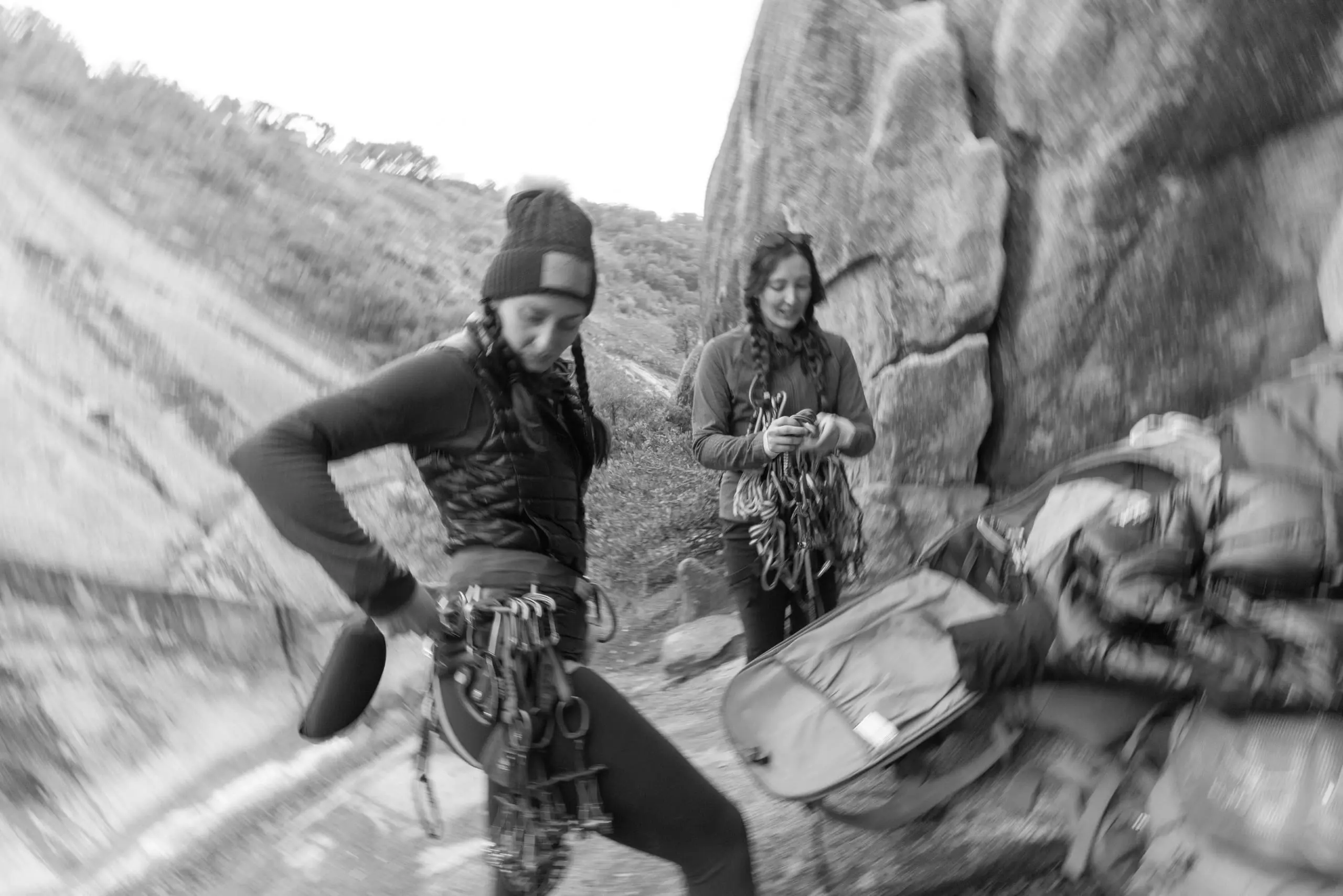
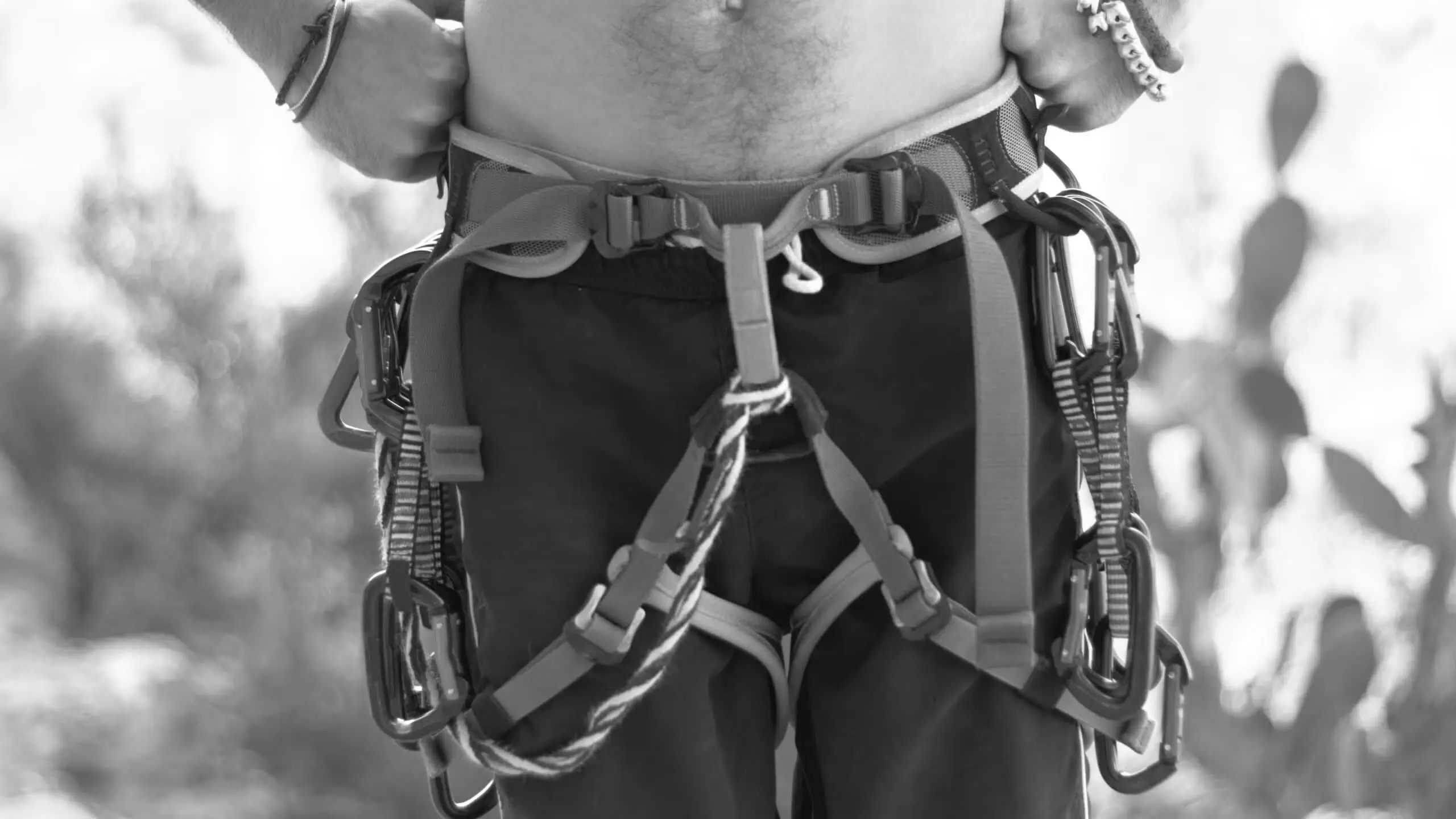
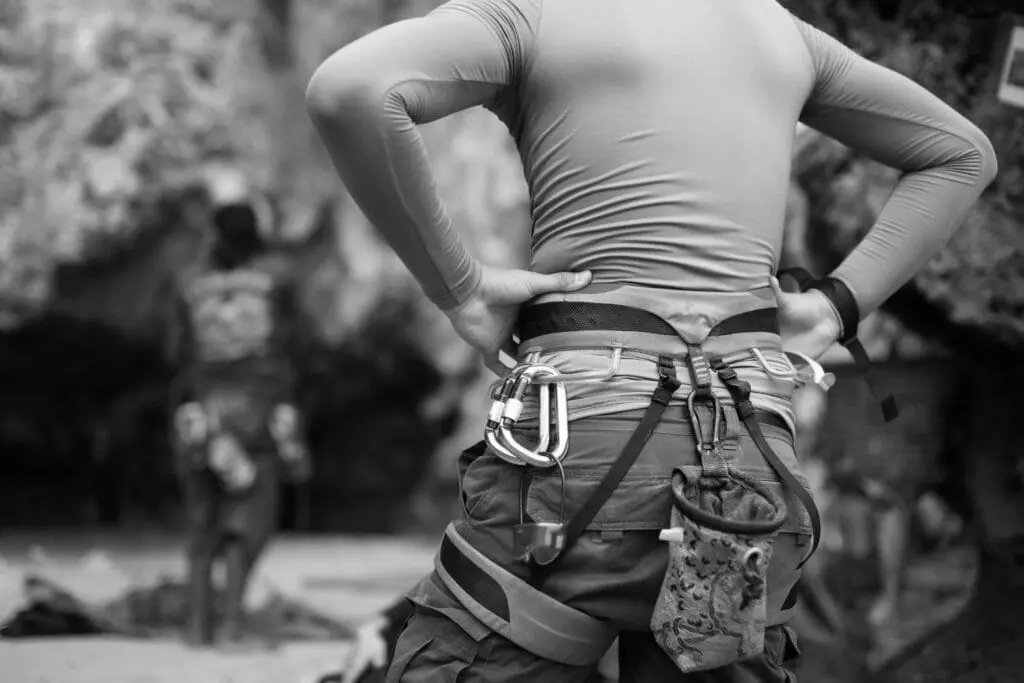
In addition to a reliable static rope, ensuring you have the best climbing harness is crucial for safety and comfort during your climbing endeavors. A well-fitted harness should provide support without restricting movement, allowing you to focus on your climb without distractions. Investing in a high-quality harness can significantly enhance your climbing experience, providing the confidence and security needed for challenging routes.
Best Climbing Harness
Look for harnesses that offer:
- Adjustable leg loops for a customized fit: A harness with adjustable leg loops ensures a snug and comfortable fit, accommodating various body shapes and sizes.
- Padded waist and leg loops for comfort: Padding provides cushioning and support, reducing pressure points and enhancing comfort during prolonged climbs.
- Multiple gear loops for convenience: Additional gear loops offer easy access to essential equipment, allowing you to keep your tools within reach.
- Strong belay loop for safety: A robust belay loop is vital for safety, providing a secure attachment point for your climbing rope.
Conclusion
Choosing the best static climbing rope involves considering factors like diameter, length, construction type, and specific use cases. By understanding the features and benefits of each rope, you can select the ideal option for your climbing needs. It’s essential to match the rope’s characteristics with the demands of your chosen activities to ensure maximum performance and safety. Don’t forget to pair your rope with a high-quality harness to ensure a safe and enjoyable climbing experience. A well-chosen harness complements your rope, providing the necessary support and security for challenging climbs.
With the right gear, you’re ready to tackle your next adventure with confidence. Proper preparation and equipment selection can make all the difference in your climbing journey, allowing you to focus on the thrill and excitement of the climb. Happy climbing!