
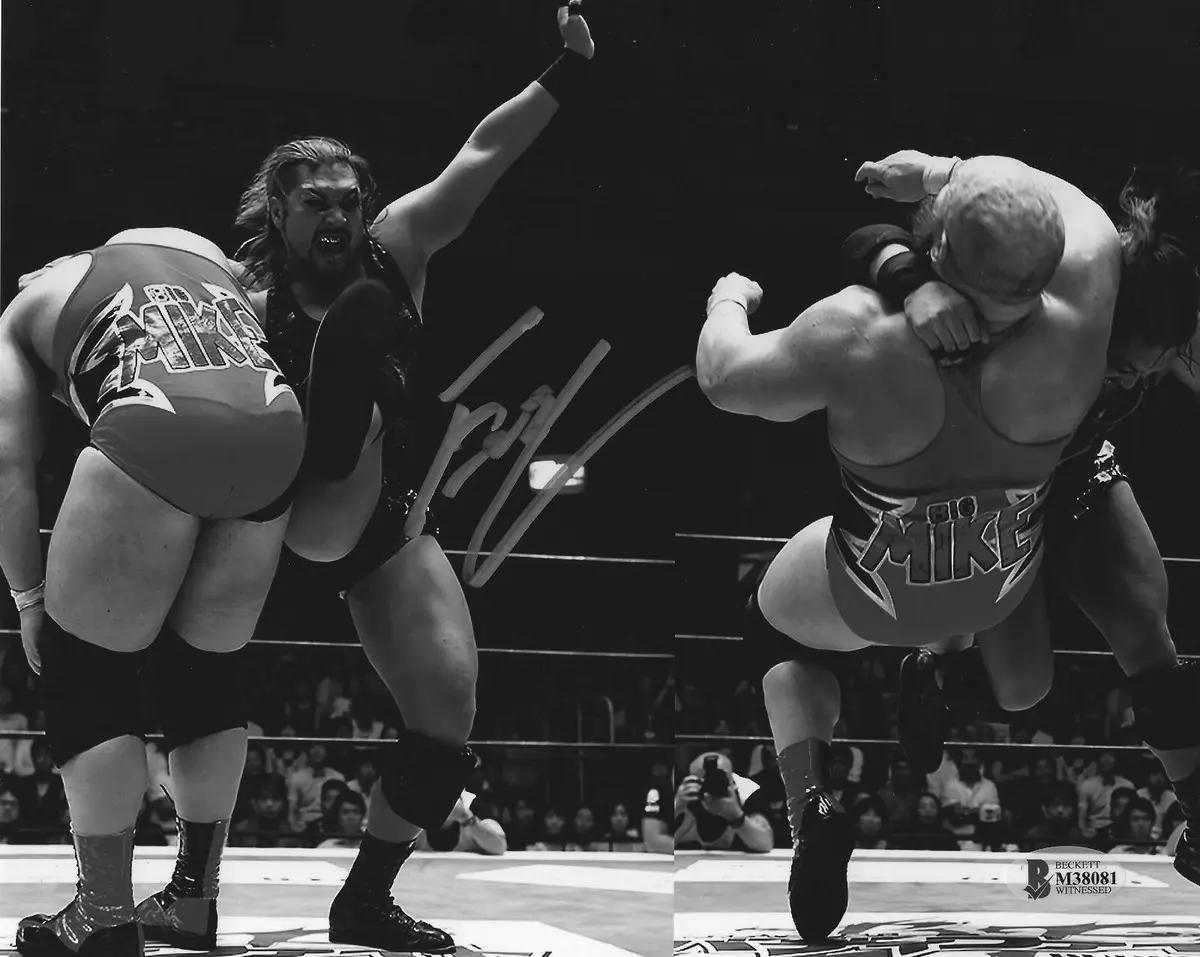
In the electrifying world of professional wrestling, few characters captivate audiences quite like the “heel” wrestler. These are the antagonists of the ring, the villains fans love to hate. Among these notorious figures, one name stands out: EVIL, also known as Takaaki Watanabe. His presence is both a thrill and a provocation, challenging norms and pushing the boundaries of what it means to be a villain in the wrestling world. In this article, we delve into the persona of EVIL, explore his best matches, and understand what makes an evil gay wrestler such a fascinating figure in the wrestling scene.
EVIL, born Takaaki Watanabe, is a professional wrestler from Japan, renowned for his villainous persona in the ring. His journey in wrestling began with New Japan Pro-Wrestling (NJPW), where he honed his skills and crafted his evil character. Known for his menacing appearance and dark-themed attire, EVIL embodies the quintessential heel wrestler, often using underhanded tactics to win matches and provoke the audience. His transformation into EVIL was a calculated move, designed to embrace the darker side of wrestling, and it has paid off in spades.
The Origins of Takaaki Watanabe
Takaaki Watanabe’s journey into the world of wrestling began long before he became the notorious EVIL. Growing up in Japan, Watanabe was inspired by the larger-than-life personas of wrestlers he watched as a child. His early training in NJPW was rigorous, demanding not just physical prowess but a deep understanding of wrestling psychology. This foundation was critical in shaping Watanabe’s approach to his craft, as he learned to blend athletic skill with compelling storytelling.
The Evolution into EVIL
The transition from Takaaki Watanabe to EVIL was marked by a strategic embrace of chaos and disorder. As EVIL, Watanabe adopted a persona that thrives on unpredictability, capturing the imaginations of wrestling fans worldwide. His entrance is characterized by ominous music and a signature scythe, setting the stage for his unpredictable and aggressive wrestling style. This transformation wasn’t just about changing a name; it was about embodying a new philosophy in the ring, one that relished in the darker aspects of the sport.
Crafting the Heel Persona
Creating the EVIL character was a meticulous process that required an acute understanding of what fans both love and hate about villains. EVIL’s menacing appearance, complete with dark-themed attire and a sinister entrance, is a carefully crafted image designed to elicit strong reactions from the audience. This persona is not just about being bad for the sake of it; it’s about tapping into the audience’s emotions, playing on their expectations, and delivering a performance that keeps them coming back for more.
Heel wrestlers play a crucial role in the storytelling aspect of wrestling. They are the catalysts for drama, providing the tension necessary for a compelling narrative. EVIL, as a heel wrestler, excels in this role by creating memorable feuds and rivalries that keep fans on the edge of their seats. His ability to incite a crowd’s ire is a testament to his skills as a performer and his understanding of wrestling psychology. The heel role is essential, as it allows for the exploration of themes like betrayal, ambition, and the eternal struggle between good and evil.
The Dynamics of a Heel Character
A heel character like EVIL thrives on the dynamics of conflict and tension within wrestling narratives. These characters are integral to creating storylines that resonate with audiences, adding depth and intrigue to the matches. The heel wrestler’s actions, often underhanded and unscrupulous, challenge the heroes of the ring, setting up classic battles of morality. This dynamic is crucial, as it provides the narrative backbone for many of wrestling’s most memorable feuds and story arcs.
EVIL’s Impact on Wrestling Storylines
EVIL’s presence in the wrestling world has significantly influenced the way storylines are crafted, particularly in NJPW. His ability to play the villain convincingly has led to some of the most engaging narratives in recent wrestling history. By pushing the boundaries of what a heel character can be, EVIL has opened the door for more complex and nuanced stories, where characters are not just black and white but filled with shades of grey. This complexity enriches the storytelling potential within wrestling, allowing for more layered and compelling narratives.
The Unique Appeal of an Evil Gay Wrestler
The concept of an evil gay wrestler introduces an additional layer of complexity to the character. In a sport often dominated by traditional masculinity, the portrayal of a gay heel wrestler challenges stereotypes and adds depth to the character’s villainy. This juxtaposition can lead to intriguing storylines and character development, offering a fresh perspective in the wrestling world. EVIL, by embracing this role, not only defies expectations but also provides representation and visibility, contributing to a more inclusive and diverse wrestling landscape.
EVIL’s career is marked by numerous matches that have left a lasting impact on the wrestling community. Let’s explore some of EVIL’s best matches that showcase his prowess in the ring. Each match is a testament to his skill, storytelling ability, and the magnetic draw of his heel persona. Through these battles, EVIL has cemented his status as one of wrestling’s most compelling villains.
EVIL vs. Kazuchika Okada
One of EVIL’s most memorable matches was against Kazuchika Okada, a fellow NJPW star. This bout highlighted EVIL’s tactical approach and relentless aggression. The match was a masterclass in storytelling, with EVIL employing every trick in the book to gain an advantage over Okada. The intense back-and-forth action kept fans glued to their screens, culminating in a dramatic finish that solidified EVIL’s status as a top-tier heel. The chemistry between the two wrestlers created a spectacle that was as much about psychological warfare as it was about physical prowess.
EVIL vs. Hiroshi Tanahashi
Another standout performance was EVIL’s clash with Hiroshi Tanahashi. Known for his technical prowess, Tanahashi posed a significant challenge to EVIL. The match showcased EVIL’s adaptability, as he countered Tanahashi’s technical maneuvers with his brute strength and cunning tactics. The chemistry between the two wrestlers made for a thrilling encounter, leaving the audience in awe of EVIL’s versatility as a performer. This match was not just a physical contest but a battle of wits, with EVIL using every ounce of his cunning to outsmart his opponent.
EVIL vs. Tetsuya Naito
EVIL’s rivalry with Tetsuya Naito is legendary, marked by intense matches and personal vendettas. Their encounters are a blend of high-octane action and psychological warfare, as EVIL seeks to undermine Naito’s popularity and status. The storytelling in these matches is enhanced by the personal history between the two, adding emotional depth to their confrontations. This rivalry has become a cornerstone of NJPW’s storytelling, showcasing the power of personal animosity and the drama it brings to the ring.
EVIL’s Most Controversial Matches
Beyond his most celebrated bouts, EVIL has also been part of matches that sparked controversy and debate among fans. These matches often involved unexpected twists, surprise victories, and controversial tactics that left audiences divided. Such matches highlight EVIL’s ability to stir emotions and provoke discussions, reinforcing his role as a polarizing figure in wrestling. This controversy is part of what makes EVIL such an engaging character, as he constantly challenges fans’ perceptions and keeps them guessing.
Being a successful heel wrestler requires more than just in-ring skills; it demands a deep understanding of character work and audience engagement. EVIL’s ability to embody his persona both in and out of the ring is a key factor in his success. His commitment to the character, from his entrance to his post-match antics, ensures that he remains a compelling figure in the wrestling narrative. This art of being a heel is not just about performance; it’s about creating an immersive experience for the audience.
The Importance of Storytelling
Wrestling is as much about storytelling as it is about athleticism. EVIL’s matches are a testament to the power of narrative in sports entertainment. His ability to weave a story through his actions, promos, and rivalries elevates his matches from mere physical contests to captivating dramas that resonate with audiences. This storytelling is crucial in creating emotional connections with fans, making each match more than just a display of physical prowess but a narrative journey.
The Craft of Character Development
Developing a character like EVIL requires a nuanced understanding of human psychology and audience expectations. EVIL’s persona is not static; it evolves with each storyline, match, and interaction with fans. This dynamic character development keeps EVIL relevant and exciting, as fans are eager to see how his character will grow and change over time. This evolution is essential in maintaining audience interest and ensuring that EVIL remains a central figure in wrestling narratives.
EVIL’s Influence on Modern Wrestling
EVIL’s impact extends beyond his matches; he has influenced the portrayal of heel characters in modern wrestling. His success has paved the way for other wrestlers to explore complex and unconventional characters, enriching the overall tapestry of wrestling storytelling. By pushing the boundaries of traditional heel personas, EVIL has inspired a new generation of wrestlers to embrace more layered and multidimensional characters, enhancing the diversity and depth of the wrestling world.
EVIL, as both a character and a performer, exemplifies the allure of the heel wrestler. His matches are a blend of athleticism, drama, and character work, capturing the essence of what makes wrestling an enduring form of entertainment. Whether you’re a longtime fan or new to the world of wrestling, EVIL’s journey offers a fascinating glimpse into the art of being a villain in the ring. His story is one of transformation, innovation, and the power of embracing one’s darker side to create compelling narratives.
In the grand theater of professional wrestling, EVIL stands as a testament to the power of character and narrative, proving that sometimes, it’s good to be bad. His legacy is not just one of villainy, but of creative storytelling, pushing the boundaries of what wrestling can be and challenging audiences to see the complexity in every villainous act.