
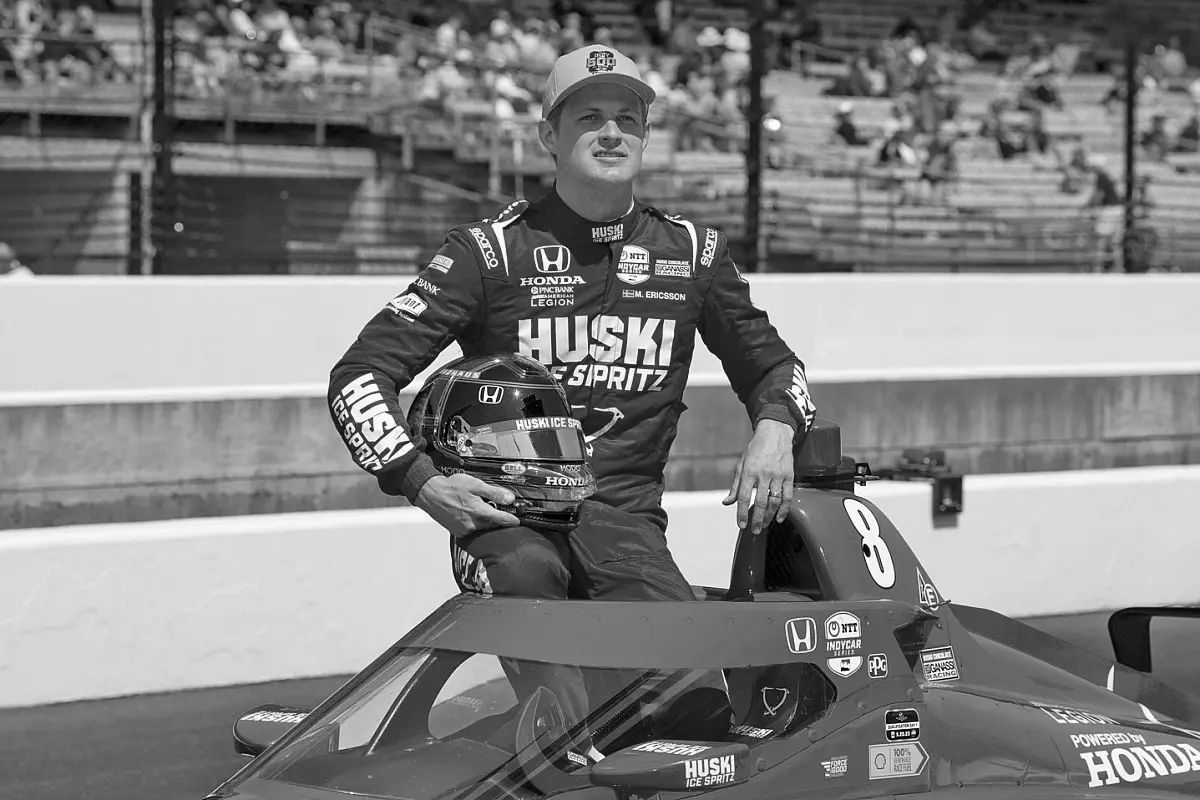
Marcus Ericsson was born on September 2, 1990, in Kumla, Sweden. From a young age, he showed a keen interest in motorsports, spurred by his father’s passion for racing. Ericsson’s early forays into the world of racing began with karting, a common starting point for many professional drivers. His talent quickly became apparent as he won several local championships, setting the stage for a promising career.
During his karting years, Ericsson honed not only his driving skills but also developed a deep understanding of racing dynamics and strategy. His dedication to the sport was evident as he spent countless hours practicing, often under challenging conditions. This perseverance paid off when he was given the opportunity to compete in international karting competitions, where he continued to excel and gain recognition. These formative years were crucial, as they laid the foundation for his transition into more competitive racing series.
Ericsson’s transition from karting to professional racing was marked by his move to the British Formula BMW Championship in 2007. Here, he demonstrated remarkable adaptability and skill, winning the championship in his debut season. This victory was a significant milestone, highlighting his potential to succeed at higher levels of motorsport. His success in Formula BMW opened doors to higher racing series, including the Formula 3 Euro Series and the GP2 Series, where he continued to impress with consistent performances.
As he progressed through these ranks, Ericsson faced stiffer competition and greater technical challenges. Each racing series presented unique demands, requiring him to continually refine his driving techniques and mental fortitude. His ability to learn and adapt quickly was crucial, as it enabled him to compete against some of the most talented young drivers in the world. This period of his career was characterized by growth and learning, as he navigated the complexities of professional racing and established himself as a formidable competitor.
Marcus Ericsson made his Formula 1 debut with the Caterham team in 2014. Though the team struggled with performance issues, Ericsson’s determination and resilience were evident. He consistently outperformed his machinery, earning respect from peers and experts alike. His time with Caterham was challenging, but it provided invaluable experience and exposure to the pinnacle of motorsport.
After Caterham, Ericsson joined Sauber in 2015. At Sauber, he faced a new set of challenges, including developing the car and working with a new team. Despite these hurdles, Ericsson managed to score points in several races, showcasing his ability to adapt and compete at the highest level. His tenure in Formula 1 may not have been marked by podium finishes, but his contributions to the teams he worked with were significant. Ericsson’s journey in Formula 1 demonstrated not only his driving skills but also his professionalism and perseverance in the face of adversity.
In 2019, Marcus Ericsson transitioned to the IndyCar Series, joining Schmidt Peterson Motorsports. This move marked a new chapter in his career, as he adapted to the unique challenges of American open-wheel racing. In his debut season, Ericsson showed promise with several top-ten finishes, quickly establishing himself as a competitive force in the series. His ability to adapt to the different demands of IndyCar racing was a testament to his versatility and skill as a driver.
Ericsson’s breakthrough moment came in 2021 when he secured his first IndyCar victory at the Detroit Grand Prix. This win was a culmination of years of hard work and adaptation, proving his capabilities on a new racing platform. Following this success, he continued to perform strongly, earning more podium finishes and solidifying his reputation in the IndyCar Series. His achievements in IndyCar not only underscored his talent but also highlighted his resilience and determination to succeed at the highest levels of motorsport.
Beyond his racing career, Marcus Ericsson is known for his philanthropic efforts and commitment to giving back. He has been involved in various charitable activities, particularly those supporting young drivers in motorsport. Ericsson understands the challenges faced by aspiring racers and is dedicated to helping the next generation achieve their dreams. His involvement in mentoring programs and sponsorship initiatives reflects his desire to nurture talent and give back to the sport that has given him so much.
Ericsson is also passionate about promoting road safety and environmental sustainability within the racing community. He advocates for responsible driving and supports initiatives aimed at reducing the carbon footprint of motorsports. His commitment to these causes demonstrates a broader awareness of the impact of racing on society and the environment. Off the track, Marcus Ericsson continues to make a difference, using his platform to inspire positive change and contribute to the betterment of the racing community and beyond.