Traction devices are essential for anyone venturing into snowy or icy conditions. They provide the grip and stability needed to prevent slips and falls, making your journey safer and more enjoyable. These devices are crucial for maintaining balance and control, especially on treacherous paths.
Ice Cleats for Shoes and Boots
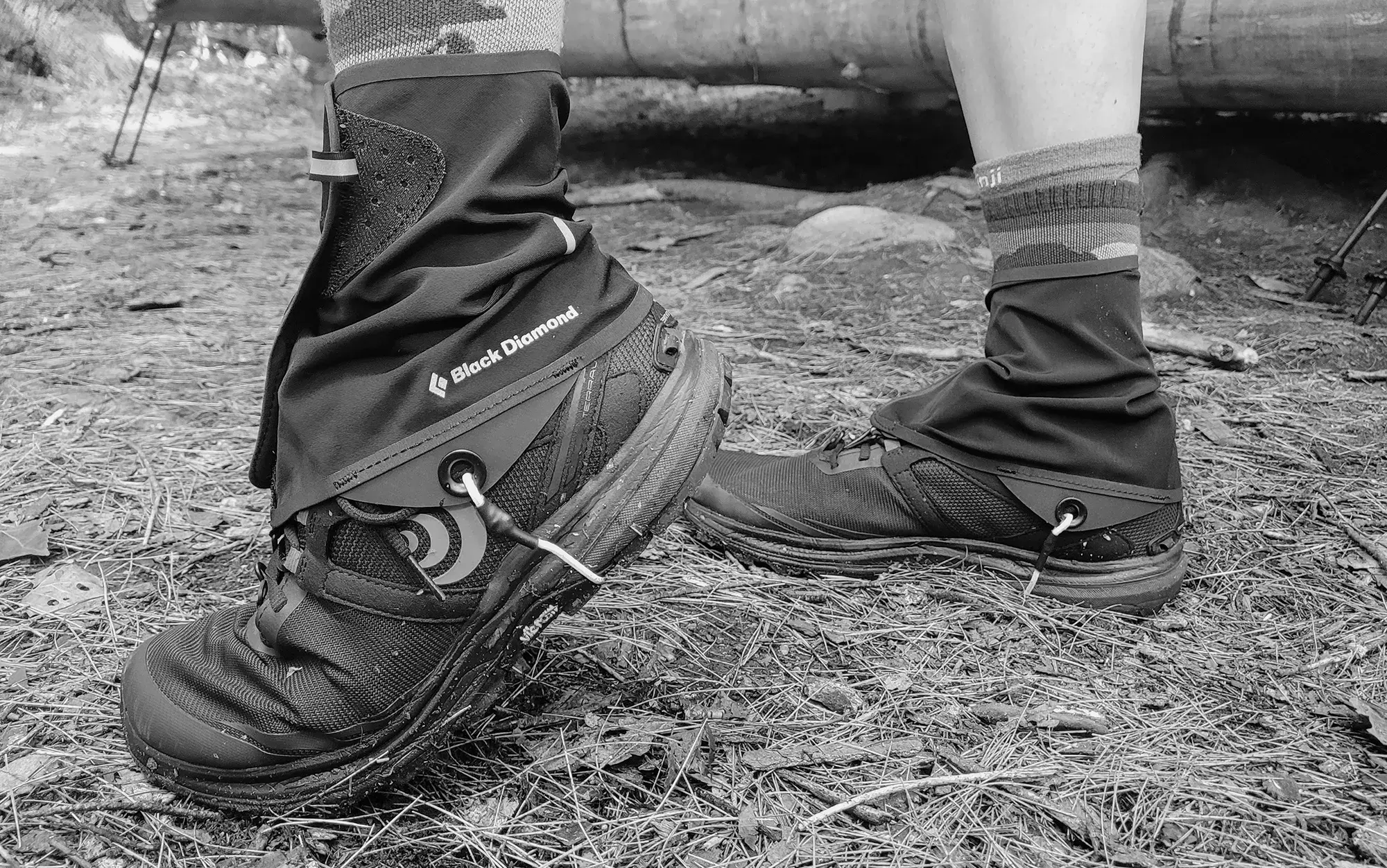
When it comes to traction, ice cleats are a must-have. These devices attach to your shoes or boots, giving you better grip on snow and ice. Brands like Due North Everyday G3 Ice Cleats and Kahtoola Exospikes are popular choices. They feature durable spikes that dig into icy surfaces, providing excellent traction for winter hiking and running.
- Kahtoola Microspikes: Designed for winter trail hiking and ice mountaineering, these spikes are easy to wear and provide excellent grip on challenging terrains. Their flexible harnesses ensure a snug fit, adapting to most footwear styles. Moreover, their lightweight design ensures that they don’t add unnecessary weight to your gear. Their rust-resistant construction means they are built to last, offering reliability in the harshest of conditions.
- Yaktrax Adventure Grip: This durable winter traction device uses stainless steel coils to offer stability on ice and snow, ensuring you can walk confidently. The coils are designed to bite into the ice, providing a consistent grip with each step. With a user-friendly design, these grips are easy to put on and take off, making them convenient for varying trail conditions. Their compact nature allows them to be easily stowed away when not in use, ensuring they don’t take up too much space in your backpack.
Crampons for Enhanced Stability
Crampons are another crucial piece of equipment for backcountry adventures. They are heavier-duty than simple cleats and are designed for more challenging terrains, such as steep ice or snow-covered mountains. The robust spikes and frame provide stability on the most precarious surfaces.
- Ice Trekkers for Boots: These crampons provide exceptional traction with their aggressive spikes, perfect for ice climbing or traversing rugged trails. They are engineered to distribute weight evenly, minimizing the risk of slips. Their adjustable straps ensure a secure fit, accommodating a range of boot sizes. The high-quality material ensures durability, making them a reliable choice for frequent adventurers.
- Korkers Omnitrax 3.0 Fishing Sole: With carbide spikes, this sole offers superior grip for those who need reliable traction on slippery surfaces. Designed with versatility in mind, they can be interchanged with other Korkers soles, adapting to different terrains. The unique design allows for easy replacement of worn parts, extending the life of your gear. Their lightweight structure ensures agility, even in the most challenging conditions.
Essential Camping Gear
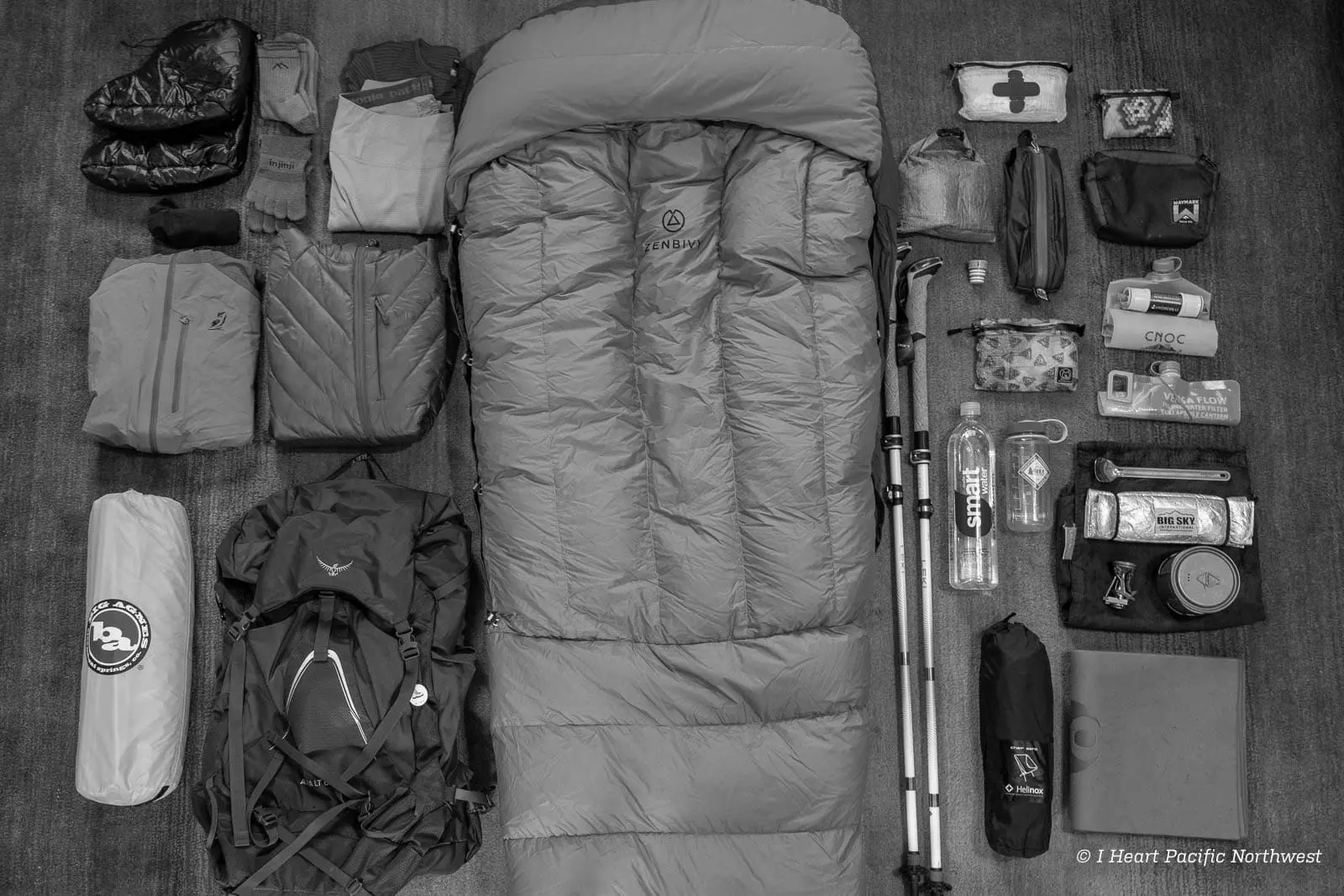
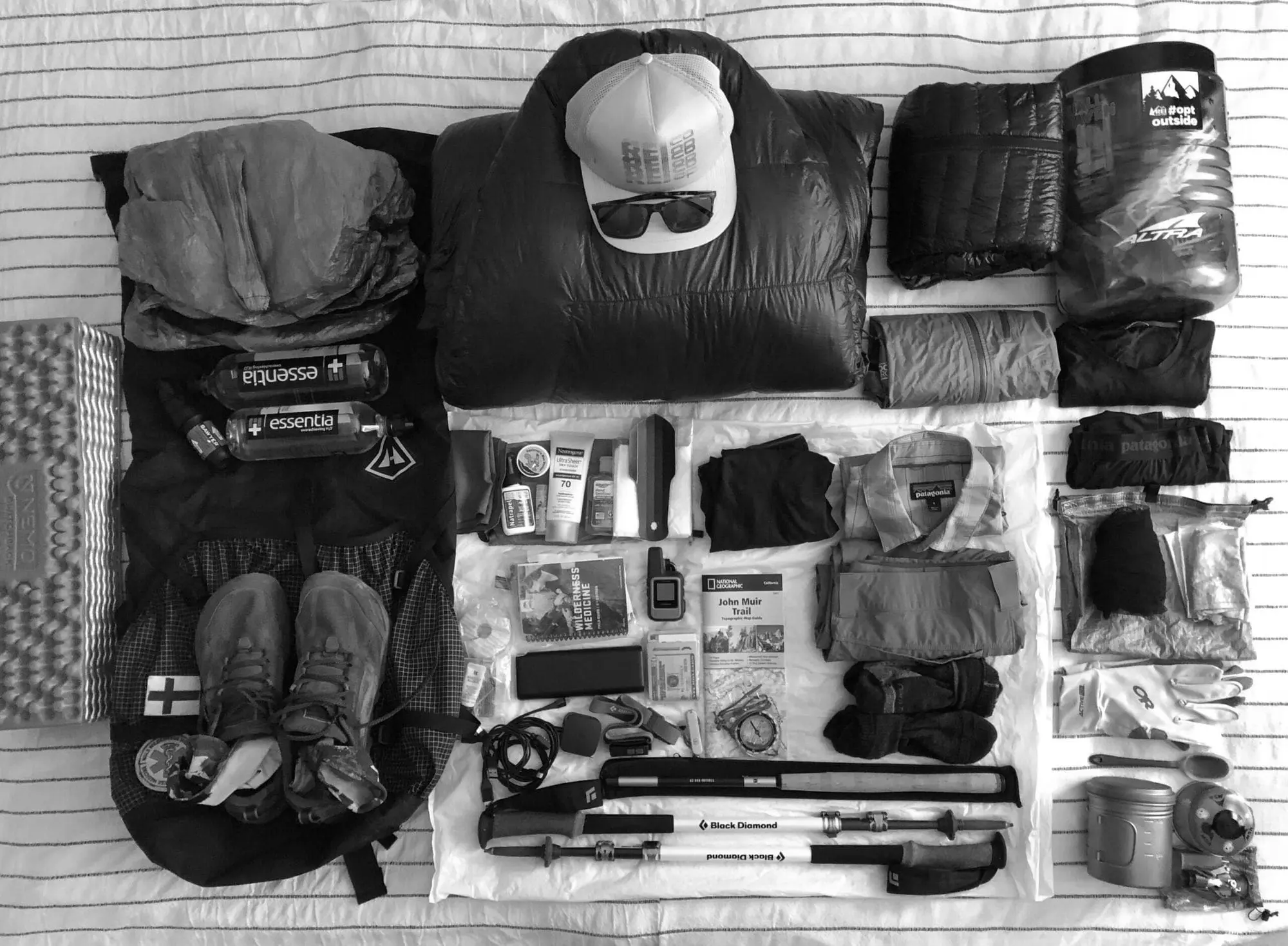
Camping gear is another critical component of backcountry exploration. It not only enhances your comfort but also ensures safety during your trip. Being well-equipped can make the difference between a memorable adventure and a challenging ordeal.
Tents and Sleeping Bags
When selecting a tent, consider the weather conditions you expect to encounter. A four-season tent is ideal for backcountry camping, as it can withstand harsh weather conditions. The material and design should offer protection against wind, rain, and snow, ensuring a comfortable shelter.
- Lightweight Tents: Look for tents that are easy to set up and pack down. They should be durable enough to handle wind and rain while being light for easy transportation. Innovations like quick-pitch systems can save time and effort in setting up camp. Ventilation features are also important to prevent condensation buildup inside the tent, which can be uncomfortable and potentially harmful in cold conditions.
Sleeping bags should be chosen based on the lowest temperatures you’ll experience. A sleeping bag rated for cold weather will keep you warm throughout the night, providing restful sleep essential for tackling tough trails.
- Down Sleeping Bags: Known for their excellent insulation and lightweight nature, down sleeping bags are perfect for cold weather camping. They compress easily, saving space in your backpack. However, it’s important to keep them dry, as moisture can reduce their insulating efficiency. Many down bags now feature hydrophobic treatments to repel water, combining warmth with practicality.
Cooking Equipment
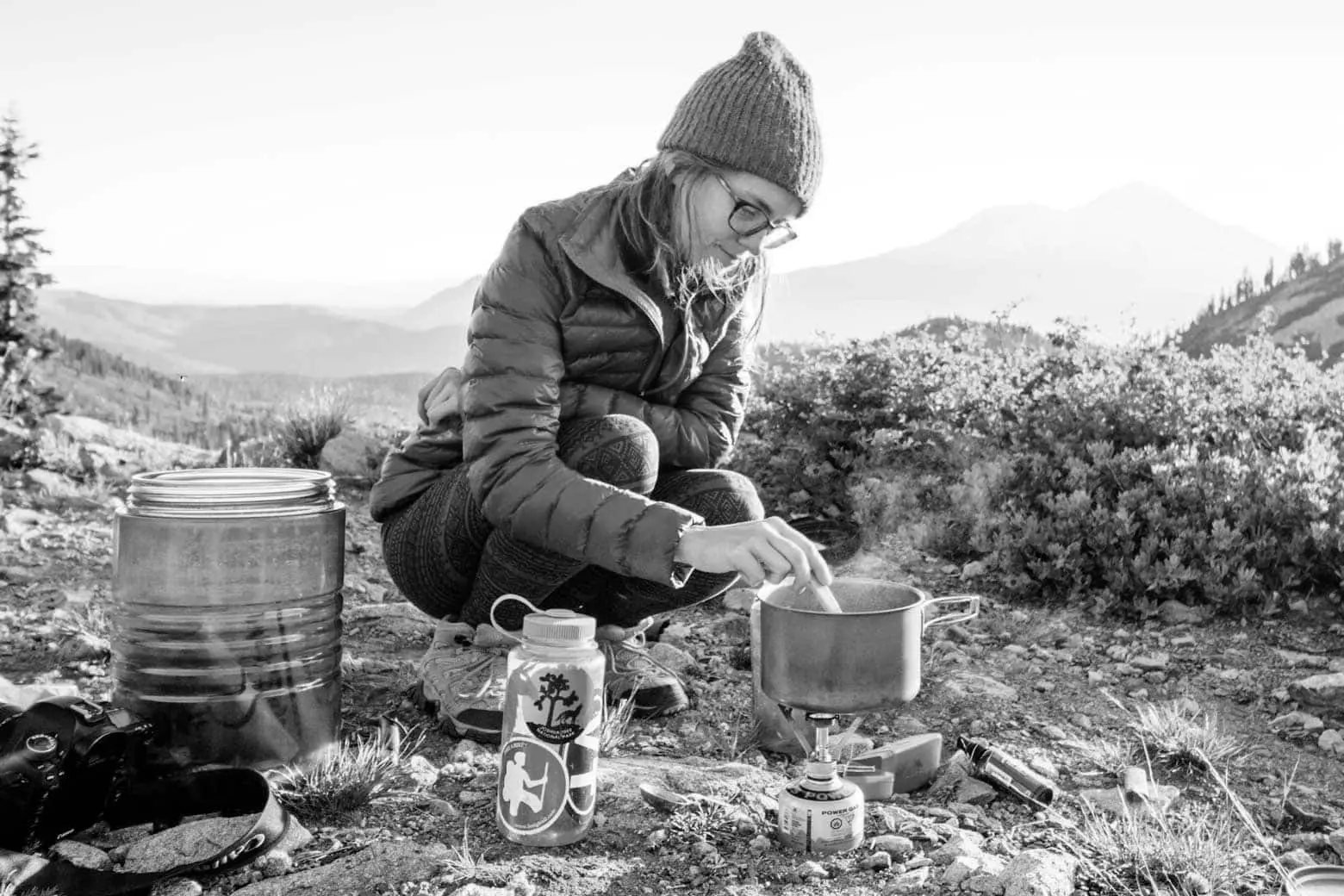
A reliable cooking set is essential for preparing meals in the backcountry. Look for lightweight, compact options that are easy to pack and use. These sets should be designed to withstand the outdoor elements and function efficiently in varying weather conditions.
- Portable Stoves: Choose stoves that are compatible with the fuel type you’ll have access to. They should be efficient and easy to ignite, even in windy conditions. Consider stoves with windshields that protect the flame from gusts, ensuring consistent cooking. Multi-fuel stoves offer versatility, allowing you to use different types of fuel depending on availability.
- Cookware Sets: Opt for sets that include pots, pans, and utensils designed for camping. They should be durable, easy to clean, and compact. Non-stick coatings can simplify cooking and cleaning processes, while nesting designs help save space. Look for sets made from materials like titanium or anodized aluminum, which offer a good balance between weight and durability.
Navigation and Safety Gear
Navigation and safety gear are vital for backcountry trips. They help you stay on course and ensure you’re prepared for emergencies. This equipment not only enhances your safety but also your overall experience by providing peace of mind.
- GPS Devices and Maps: Always carry a reliable GPS device and physical maps of the area. This equipment is crucial for navigation, especially in remote regions where phone signals may be weak. A GPS with pre-loaded topographic maps can offer detailed insights into the terrain, aiding in route planning. Physical maps serve as a reliable backup, ensuring you’re never without guidance.
- First Aid Kits: A well-stocked first aid kit is essential for handling minor injuries. Make sure it includes bandages, antiseptic wipes, and any personal medications you might need. Consider adding items like blister pads, which can be a lifesaver on long hikes. Customizing your kit to include specific items relevant to your journey and personal needs can enhance its effectiveness.
Choosing the Right Gear
When selecting backcountry equipment, consider the specific conditions and activities you’ll be engaging in. Durability, weight, and functionality are key factors to keep in mind. Each piece of equipment should complement your adventure goals, ensuring that you’re well-prepared for the journey ahead.
Traction Devices
Choose ice cleats or crampons based on the terrain you’ll encounter. For moderate trails, lightweight cleats may suffice, while steep and icy conditions require more robust crampons. It’s essential to assess the difficulty of your planned route and match your gear accordingly. Ensure that the fit is secure, as loose devices can compromise safety and effectiveness.
Camping Gear
Prioritize lightweight and compact options without compromising on durability and protection. Ensure your tent and sleeping bag are suitable for the weather conditions expected. Consider the ease of setting up and packing down, as this can save time and energy in the field. The right balance of features can significantly enhance your camping experience, making each night comfortable and restful.
Safety Gear
Equip yourself with reliable navigation tools and a comprehensive first aid kit. Being prepared can make all the difference in the backcountry. Regularly check your safety gear for functionality and completeness before each trip. Familiarity with its use can prove invaluable in an emergency, so take time to practice and understand each component.
Conclusion
Embarking on a backcountry adventure requires careful planning and the right equipment. From traction devices that ensure stability on ice and snow to essential camping gear that provides comfort and safety, choosing the right tools is crucial for a successful trip. By investing in quality equipment and preparing for the conditions you may face, you can enjoy the beauty of the backcountry while minimizing risks. Remember, the right gear not only enhances your experience but also safeguards your well-being, allowing you to explore the great outdoors with confidence. Whether you’re a seasoned adventurer or a novice explorer, the right preparation and gear selection can transform your journey into an unforgettable experience.