
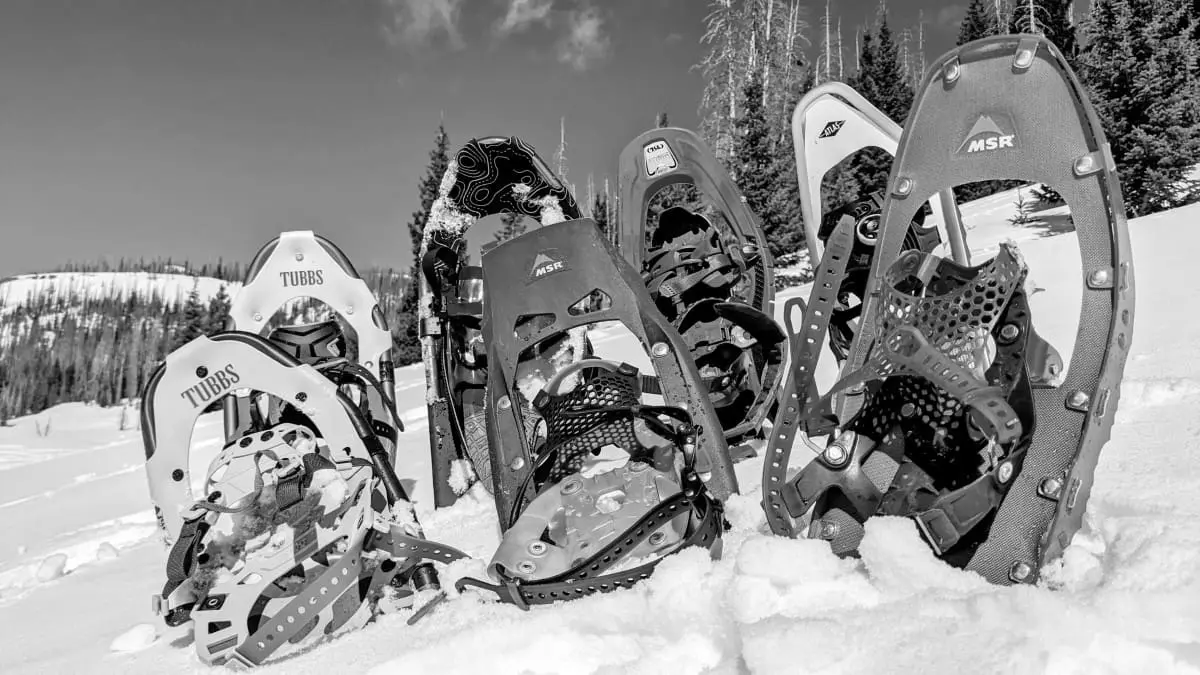
Before you hit the trails, it’s important to gather the basic equipment necessary for snowshoeing. Here’s a detailed breakdown of what you’ll need:
Snowshoes
The most crucial piece of equipment is, of course, the snowshoes themselves. When selecting snowshoes, consider the terrain you’ll be exploring and your weight (including gear). Snowshoes come in various designs tailored for different activities such as hiking, running, or mountaineering. For those planning to tackle steep or icy terrain, snowshoes with aggressive traction systems are ideal. Look for models with crampons or cleats for optimal grip.
In addition to traction, bindings are another important feature to consider. The bindings should be easy to adjust, even with gloves on, and secure enough to keep your feet firmly in place. Comfort is key, so try on several options to find the best fit for your boots. Lastly, the size and shape of the snowshoes should match your needs. Larger snowshoes offer better flotation on deep snow, while smaller ones are more maneuverable for packed trails or running.
Hiking Poles
Hiking poles can be incredibly helpful when snowshoeing, providing balance and support, especially on uneven or steep terrain. Adjustable poles are preferable as they can be tailored to different heights and terrains, offering flexibility during your hike. Look for poles with ergonomic grips to reduce hand fatigue and adjustable wrist straps for extra control.
The material of the poles is also worth considering. Aluminum poles are sturdy and durable, making them a good choice for rugged terrain. Carbon fiber poles, on the other hand, are lighter and better suited for longer treks where weight is a concern. Some poles come with interchangeable baskets, allowing you to switch between snow baskets for deep snow and smaller baskets for firmer ground.
Gaiters
Gaiters are essential for keeping snow and moisture out of your boots. They wrap around your lower legs and the tops of your shoes, providing a barrier against the elements. When choosing gaiters, opt for waterproof and breathable materials to ensure comfort and dryness.
Consider the height of the gaiters based on your intended use. High gaiters are ideal for deep snow or wet conditions, while shorter ones are sufficient for shallower snow. Additionally, look for gaiters with reinforced areas around the ankles and insteps to withstand wear from boots and crampons. The closure system should be easy to operate and secure, preventing any snow from sneaking in.
Clothing and Layering
Dressing in layers is key to staying warm and comfortable while snowshoeing. Start with a moisture-wicking base layer to keep sweat away from your skin. Synthetic materials or merino wool are excellent choices as they provide warmth without retaining moisture.
Add an insulating layer for warmth, such as a fleece or down jacket. This layer should trap heat while allowing moisture to escape. Consider the weight and compressibility of this layer if you plan to pack it away during warmer parts of your hike. Finally, wear a waterproof and windproof outer layer to protect against the elements. This shell should have features like adjustable hoods, cuffs, and hemlines to seal out snow and wind. Don’t forget a warm hat, gloves, and scarf to keep extremities warm. Opt for materials like wool or fleece that offer warmth even when wet.
Boots
Your choice of boots is important for comfort and warmth. Look for waterproof, insulated boots with good ankle support. The insulation should be sufficient to keep your feet warm, but not so thick that it makes the boots uncomfortable or difficult to move in.
Breathable boots with a good grip on the sole will help you navigate snowy terrain with ease. Consider the type of terrain you’ll be traversing; boots with aggressive tread patterns offer better grip on icy or rocky surfaces. It’s also important to ensure your boots fit well with your snowshoes, as a poor fit can lead to discomfort or even injury. Lastly, remember to break in your boots before a long outing to prevent blisters.
Additional Snowshoeing Equipment
While the above gear is essential, there are additional items that can enhance your snowshoeing experience:
Leg Gaiters
Leg gaiters provide added protection against snow, mud, and debris. They are especially useful when trudging through deep snow or wet conditions. Consider options like:
- TLSWSHSY Leg Protectors: Waterproof and adjustable, these are great for trimming and hiking. Their adjustable features ensure a snug fit, preventing any snow from entering.
- Frelaxy Leg Gaiters: High-performance and perfect for hunting in various conditions. They offer durability with reinforced stitching and materials designed to withstand harsh environments.
- Outdoor Research Crocodile Gaiters: Known for their durability and robust design, these gaiters are great for extreme conditions and high-intensity activities.
Backpack
A backpack is useful for carrying extra layers, snacks, water, and any other essentials. Look for a lightweight, water-resistant pack with comfortable straps and enough capacity to hold your gear.
Consider the pack’s organization, with compartments and pockets that allow easy access to essentials like maps, snacks, or gloves. Some backpacks come with hydration systems, making it easy to stay hydrated without stopping. Additionally, adjustable straps and a padded hip belt can enhance comfort, distributing the weight evenly across your body.
Navigation Tools
Carrying a map and compass or a GPS device can be crucial, especially if you’re exploring unfamiliar trails. Make sure you know how to use these tools before heading out.
Maps and compasses are reliable, low-tech tools that don’t rely on batteries or signals, making them indispensable for backcountry trips. GPS devices, on the other hand, offer real-time location tracking and can store multiple trail maps and routes. Consider a GPS with a long battery life and a weather-resistant design. Apps on smartphones can also be useful, but ensure your phone is protected from the cold and moisture.
Headlamp
A headlamp is a valuable addition to your equipment list, especially during short winter days when darkness falls early. Look for a headlamp with adjustable brightness settings and a long battery life.
Red light modes are beneficial for preserving night vision and reducing glare when reading maps. Ensure the headlamp is comfortable to wear for extended periods and secure enough not to move around during activity. Rechargeable batteries are a plus, reducing the need to carry spares and minimizing waste.
Emergency Kit
An emergency kit is an essential part of your snowshoeing gear. It should include first-aid supplies, a multi-tool, fire-starting materials, and an emergency blanket.
First-aid supplies should cover common injuries like blisters, cuts, and sprains. A multi-tool can handle a variety of tasks, from gear repairs to preparing food. Fire-starting materials, such as waterproof matches or a lighter, can be lifesaving in cold conditions. An emergency blanket is compact and can provide warmth and shelter in a pinch.
Safety Tips for Snowshoeing
Safety should always be a priority when snowshoeing. Here are some tips to help you stay safe on the trails:
Plan Your Route
Know the trail difficulty and weather conditions before you start. Choose trails that match your skill level and experience. Research the trail’s length, elevation gain, and any potential hazards.
Consider starting with a shorter, well-marked trail if you’re new to snowshoeing. Weather conditions can change rapidly in winter, so it’s crucial to be prepared for unexpected changes. Have a contingency plan and be ready to turn back if conditions worsen.
Check the Weather
Be aware of weather forecasts and avoid going out in extreme conditions. Check for any advisories or warnings related to snow, wind, or temperature.
Understanding the local weather patterns can help you anticipate changes and plan accordingly. Dress appropriately for the forecast, and always pack extra layers in case the weather turns colder than expected.
Stay Hydrated and Fueled
Bring plenty of water and high-energy snacks to keep your energy levels up. Dehydration can occur quickly in cold weather, even if you’re not sweating as much as in warmer conditions.
Consider using an insulated water bottle or hydration system to prevent your water from freezing. Pack snacks that are easy to eat on the go, such as nuts, energy bars, or dried fruit.
Tell Someone Your Plans
Always inform a friend or family member about your plans, including your expected return time. Provide them with details about your route and any alternate plans if conditions change.
This information can be crucial for search and rescue operations if you encounter trouble. Make a habit of checking in with your contact once you’re safely back.
Be Aware of Avalanche Risks
If you’re venturing into backcountry areas, be aware of avalanche risks and carry appropriate safety gear. Take a course on avalanche safety to understand how to assess risks and respond to emergencies.
Carry an avalanche beacon, probe, and shovel if traveling in avalanche-prone areas. Practice using this equipment before heading out to ensure you’re prepared in case of an emergency. Stay informed about current avalanche conditions through local bulletins and advisories.
Conclusion
Snowshoeing is a fantastic way to enjoy the winter outdoors, but having the right equipment is key to a successful adventure. From snowshoes and gaiters to clothing and safety gear, make sure you’re well-prepared before hitting the trails. With the right gear, you can embrace the beauty of winter while staying comfortable and safe.
By investing in quality snowshoeing equipment, you’ll enhance your experience and create lasting memories in the snow-covered wilderness. Enjoy your snowshoeing adventures with confidence, knowing you’re equipped with the best gear available. As you immerse yourself in the serenity of the winter landscape, remember to respect the environment and leave no trace, ensuring that these beautiful trails can be enjoyed by future generations as well. Embrace the adventure, stay safe, and relish the tranquility that snowshoeing brings.