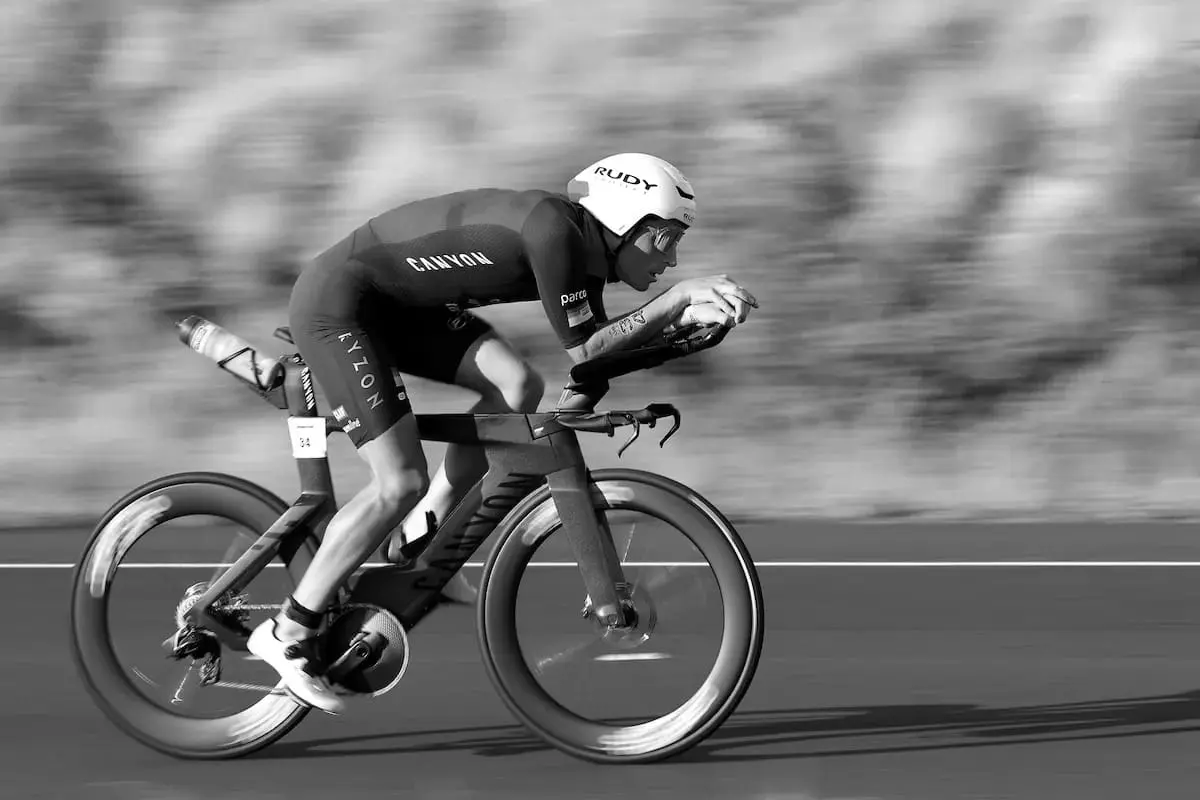
Aero bars are essential for any triathlete aiming to improve aerodynamics and reduce drag. They allow you to maintain a streamlined position, which can enhance your speed and endurance over long distances. The significance of aero bars goes beyond just speed; they are a key factor in energy conservation, allowing athletes to sustain their performance across the multiple disciplines of a triathlon.
Profile Sonic Ergo 52a Aero Bar
The Profile Sonic Ergo 52a Aero Bar is a top choice for many triathletes. Known for its adjustability, it allows for a customized fit, ensuring comfort during long rides. The ability to adjust the aero bars to fit your specific body dimensions can prevent common issues like shoulder strain and back pain, which are prevalent during long-distance rides.
The 52a model stands out with its ergonomic design, offering improved control and stability. This model’s superior grip ensures that even in wet conditions, you maintain control, reducing the risk of accidents. The aero bar’s armrest is designed to support a natural wrist position, reducing fatigue and allowing for a more relaxed ride. Whether you’re sprinting or tackling a long-distance triathlon, this aero bar can help you maintain your speed while conserving energy.
Profile Sonic Ergo 39a Aero Bar
Another excellent option is the Profile Sonic Ergo 39a Aero Bar. Similar to the 52a, this model offers a streamlined design but with slightly different dimensions to cater to different body types and preferences. It features a comfortable armrest and multiple adjustment options, allowing you to fine-tune your riding position. The versatility of the 39a makes it a favorite among athletes who value flexibility in their gear.
Both the 39a and 52a models are crafted from high-quality materials, ensuring durability and reliability. They’re lightweight yet sturdy, making them perfect companions for any triathlon journey. The choice between these models often comes down to personal preference and specific body mechanics, highlighting the importance of testing gear before committing to it.
Benefits of Aero Bars in Triathlons
The benefits of aero bars in triathlons extend beyond mere speed enhancement. By reducing wind resistance, aero bars can significantly lower energy expenditure, allowing athletes to conserve energy for the running and swimming segments of the race. This energy conservation is crucial, especially in long-distance events where endurance is key.
Aero bars also promote a more aerodynamic posture, which can lead to better overall performance. The aerodynamic position reduces the frontal area exposed to wind, which can make a noticeable difference in time trials. Additionally, maintaining a lower, more streamlined position can help reduce muscle strain, allowing for a more comfortable and sustainable ride.
The Importance of a Good Saddle
A comfortable saddle is crucial for any cyclist, but it’s especially important for triathletes who spend extended periods in the saddle. A good saddle can prevent discomfort and improve your overall cycling experience. Selecting the right saddle involves understanding the balance between comfort and performance, ensuring that it supports your body during intensive efforts.
ISM PN 1.1 Saddle
The ISM PN 1.1 Saddle is specifically designed for triathletes, focusing on both performance and comfort. Its unique shape helps reduce pressure on sensitive areas, allowing for a more comfortable ride. This design is particularly beneficial for maintaining circulation and reducing numbness over long distances.
The PN 1.1 features a generous amount of padding, making it an excellent choice for longer rides. Its narrow design also aids in reducing friction, allowing your legs to move freely. This saddle can make a significant difference in your cycling performance, helping you maintain focus and endurance throughout the race.
Choosing the Right Saddle for You
Choosing the right saddle involves considering personal anatomy and riding style. Not all saddles fit every cyclist the same way, so it’s crucial to test different models to find one that offers the best comfort without sacrificing performance. Factors like the width of the saddle, the amount of padding, and the shape can all influence how a saddle feels during a ride.
Proper saddle height and angle adjustment are also essential in ensuring maximum comfort and efficiency. Incorrect adjustments can lead to discomfort and even injury over time. Therefore, it is advisable to seek professional help or use bike fitting services to achieve the best setup for your body and riding style.
The Role of Saddles in Injury Prevention
A well-chosen saddle plays a vital role in preventing cycling-related injuries. By supporting the body properly, a good saddle can prevent issues such as lower back pain, saddle sores, and numbness. The right saddle distributes weight evenly across the pelvis, reducing pressure on soft tissues and enhancing blood flow.
Investing in a high-quality saddle can also improve your posture on the bike, which is crucial for reducing the risk of repetitive strain injuries. An ergonomic saddle encourages a natural spinal alignment, which can help prevent common overuse injuries associated with long rides. This is especially important in triathlons, where maintaining a consistent position is key to optimizing performance.
Must-Have Triathlon Bike Accessories
In addition to aero bars and saddles, several other accessories can enhance your triathlon cycling experience. These accessories can offer additional comfort, safety, and performance boosts. From hydration systems to tire repair kits, each accessory contributes to a seamless and efficient race day.
Hydration Systems
Staying hydrated is key during a triathlon. Consider investing in a robust hydration system that allows you to drink without interrupting your rhythm. Options like integrated bottle holders or hydration packs can provide easy access to fluids, ensuring you stay refreshed throughout your ride. Proper hydration not only prevents fatigue but also helps regulate body temperature and maintain energy levels.
When selecting a hydration system, consider factors like capacity, ease of use, and compatibility with your bike setup. Some systems integrate seamlessly with aero bars, providing quick access to fluids without requiring you to shift your position significantly. This can be crucial in maintaining a steady pace and conserving energy.
Bike Computers
A reliable bike computer can track your performance metrics such as speed, distance, and cadence. This data is invaluable for monitoring your progress and making real-time adjustments to your strategy. Many modern bike computers also offer GPS functionality, helping you navigate unfamiliar routes with ease.
The ability to analyze performance data can provide insights into areas of improvement, allowing you to fine-tune your training and race strategies. Advanced bike computers can also sync with other devices, offering comprehensive data analysis and performance tracking, which is essential for serious athletes looking to optimize their performance.
Cycling Shoes and Pedals
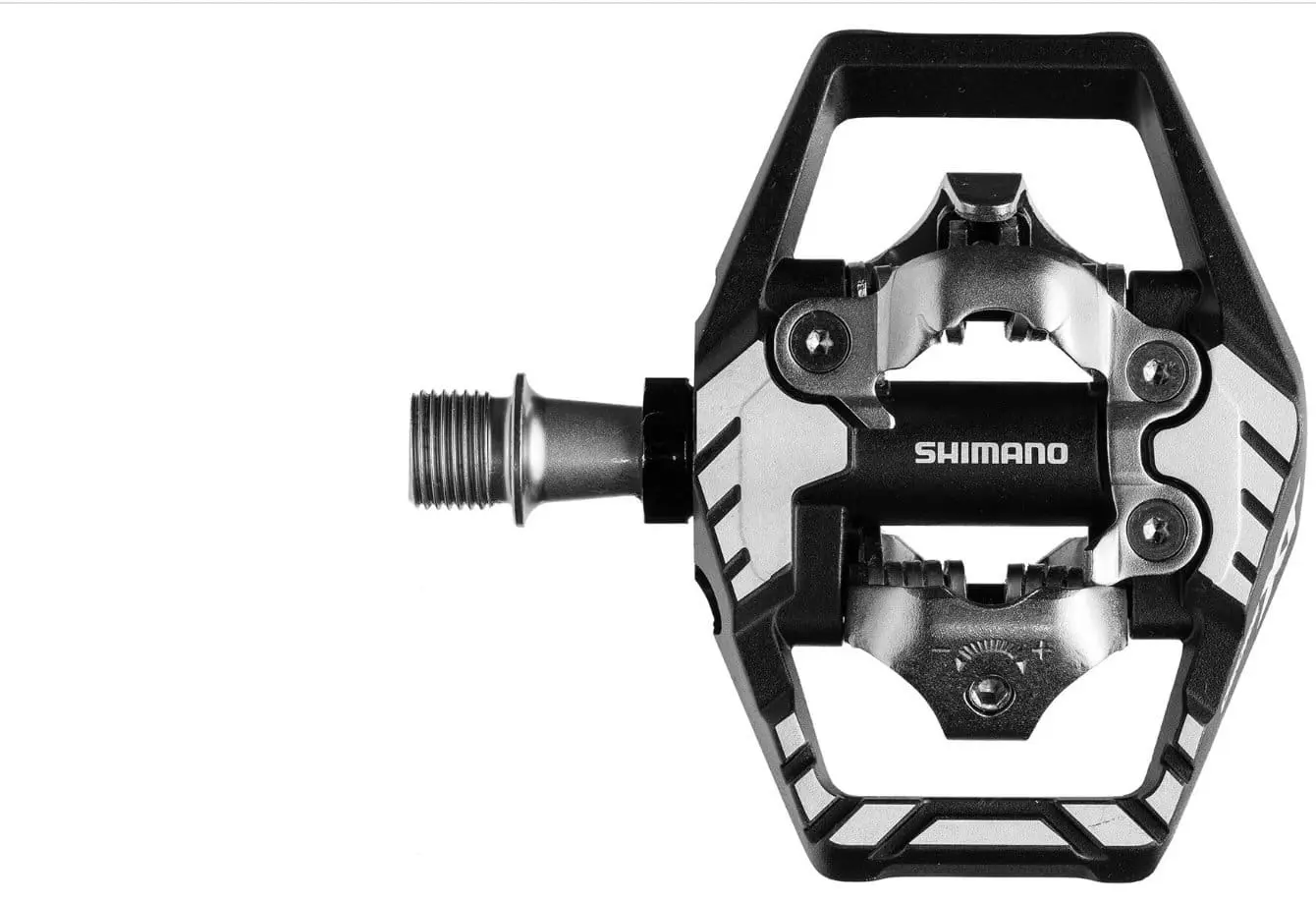
Cycling shoes and pedals designed for triathlons can significantly impact your power transfer and efficiency. Look for shoes that are lightweight, breathable, and quick-drying. Pedals that allow for easy entry and exit can save you valuable seconds during transitions.
The right combination of shoes and pedals can enhance your riding efficiency, translating more of your energy into forward momentum. This efficiency is crucial in triathlons, where every second counts. Additionally, the comfort and support provided by high-quality cycling shoes can prevent foot fatigue and improve overall performance.
Tire Repair Kits
Flat tires can happen, and being prepared with a tire repair kit can save your race. Ensure you have a compact kit that fits easily on your bike frame or in a saddlebag. It should include essentials like tire levers, patches, and a mini pump or CO2 inflator.
Being equipped with a tire repair kit can make the difference between finishing a race and having to withdraw due to mechanical issues. Quick and efficient tire repairs allow you to get back on the road with minimal time loss. Practicing tire repair techniques can also improve your confidence, ensuring you’re ready to tackle any challenges that arise during the race.
Selecting the Right Gear for You
When choosing the best triathlon cycling gear, consider your individual needs and preferences. Everyone’s body and riding style are different, so what works for one person might not work for another. Tailoring your gear selection to your unique requirements is crucial for achieving peak performance.
Test and Adjust
It’s crucial to test your gear before race day. Spend time adjusting your aero bars, saddle, and other accessories to find the most comfortable setup. Training with your gear will help you identify any potential issues and allow for adjustments well ahead of the race. This testing phase is essential for optimizing your equipment to suit your body mechanics and preferences.
Testing your gear in various conditions can also provide insights into how different setups perform under different circumstances. This knowledge can be invaluable on race day, where conditions might vary from training environments. Ensuring that your gear is properly adjusted and suited to your needs can prevent issues that could hinder your performance.
Quality Over Quantity
Investing in high-quality gear can make a noticeable difference in your performance and comfort. While it might be tempting to cut costs, prioritizing quality will pay off in the long run by providing durability and reliability. High-quality gear often features superior materials and craftsmanship, which can enhance both performance and longevity.
Quality gear is also more likely to include advanced features that can enhance your cycling experience, such as improved aerodynamics, better comfort, and increased efficiency. By choosing quality over quantity, you ensure that each piece of equipment is a valuable asset in your triathlon journey.
Personalized Gear Selection
Personalized gear selection involves considering personal preferences and specific race requirements. Factors like climate, race distance, and terrain can all influence which gear is best suited for you. Tailoring your gear choices to these factors can enhance your performance and ensure a more enjoyable race experience.
Seeking advice from experienced triathletes or consulting with experts can provide valuable insights into making informed gear choices. This guidance can help you select equipment that aligns with your goals and complements your strengths, ensuring you are well-prepared for race day.
Conclusion
Choosing the right triathlon cycling gear involves understanding your needs and investing in quality products. From aero bars like the Profile Sonic Ergo 52a and 39a to the ISM PN 1.1 saddle, each piece of equipment plays a vital role in your triathlon success. The right gear can enhance your performance, comfort, and confidence, allowing you to focus on achieving your best results.
By equipping yourself with the best gear, you can enhance your performance, ensuring you cross the finish line with confidence and pride. Remember, preparation and practice are key—so get out there and ride! Investing time in selecting and testing your gear can lead to a more enjoyable and successful triathlon experience, ultimately contributing to your growth and achievements as an athlete.