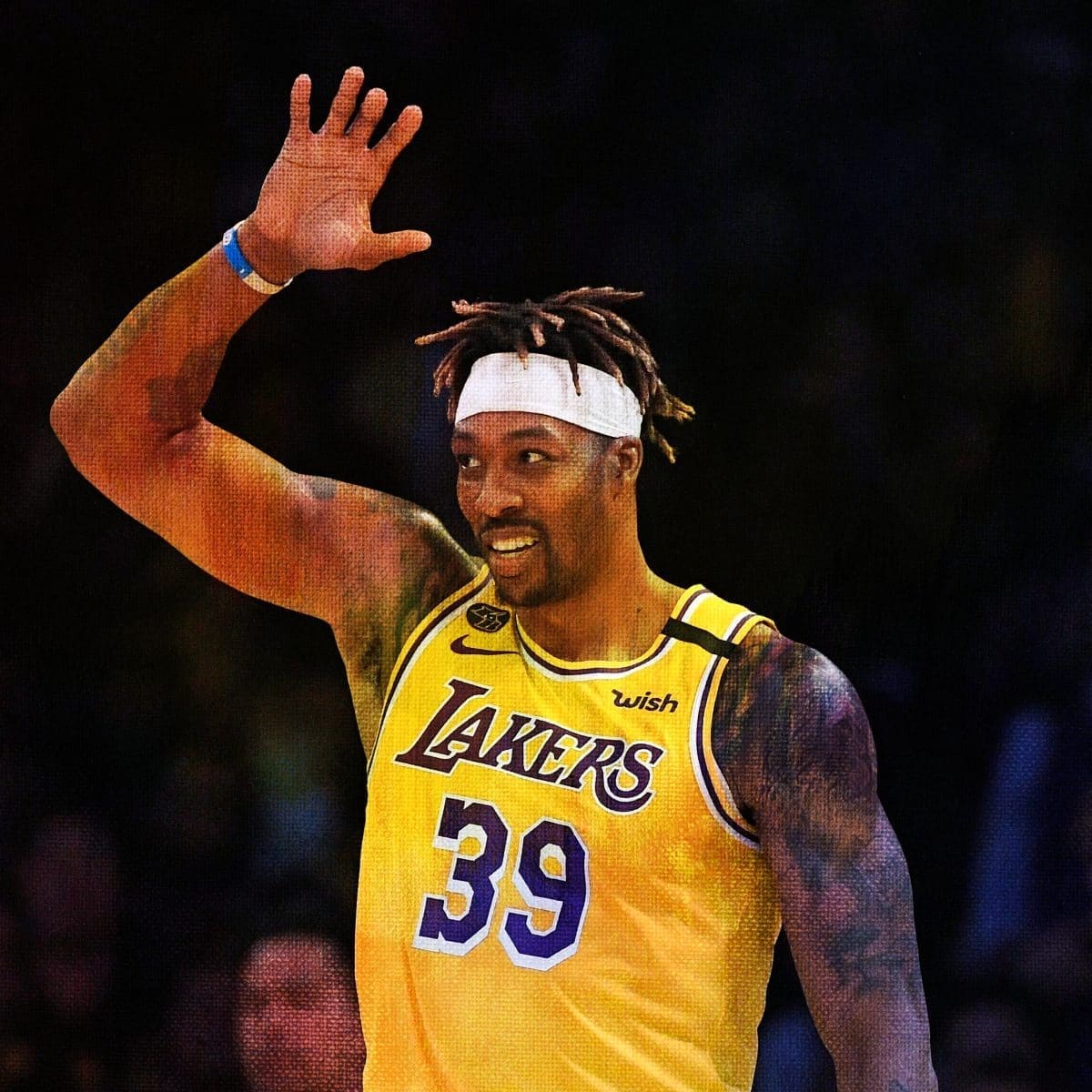
Regarding per game stats, Howard is averaging 1.3 assists in addition to 11.8 rebounds. He has accounted for 1,081 steals, as well as 2,228 blocks and 1,676 assists. With 10,476 defensive boards and 4,151 on the offensive end, Howard has 14,627 total rebounds during his pro basketball career. With an effective FG percentage of 58.8%, he has additionally recorded 3,912 infractions as well as 3,302 turnovers. Howard has converted 5,361 of his 9,455 tries from the free throw line, which had him sitting at a clip of 56.7%. By burying 7,029 out of his 11,913 2pt shot attempts, he has recorded a rate of 59.0%. By making 22 of his 103 baskets when shooting from distance, he has earned a three-point shooting percentage of 21.4%. By putting in 7,051 baskets out of 12,016 attempts, Howard has compiled a 58.7% shooting percentage. He scores 17.8 pts per 36 mins, in addition to grabbing 13.3 rebounds and adding 1.5 dimes so far in his NBA career. Howard was named a starter in 1,078 matchups, and in those games he holds an average of 15.7 points per outing and has recorded 19,485 points overall. Dwight Howard has taken the court in 1,242 contests during his NBA career and garnered 39,457 minutes in those games. The journey of Dwight Howard, a prominent NBA basketball player, is a tale of both remarkable success and notable decline. From his early days as a dominant force in the league to his struggles in maintaining that status, Howard’s career offers a compelling narrative. This article explores the rise and fall of Dwight Howard, examining key moments that defined his path in professional basketball.
Early Years: A Star in the Making
Dwight Howard emerged as a basketball prodigy during his high school years in Atlanta, Georgia. His exceptional talent and physical prowess quickly garnered attention, making him a top prospect for the NBA draft. In 2004, Howard was selected as the first overall pick by the Orlando Magic, setting the stage for a promising career.
Dominance with the Orlando Magic
Howard’s early years with the Orlando Magic were marked by his incredible athleticism and defensive skills. Standing at 6 feet 10 inches, his ability to control the paint and block shots made him a nightmare for opposing teams. During his tenure with the Magic, Howard was named an NBA All-Star multiple times, further solidifying his reputation as one of the league’s elite players.
His most notable achievement came in the 2008-2009 season when he led the Magic to the NBA Finals. Although they fell short to the Los Angeles Lakers, Howard’s performance throughout the playoffs was nothing short of spectacular. His stats during this period showcased his dominance, averaging double-doubles and leading the league in rebounds and blocks.
The Move to Los Angeles
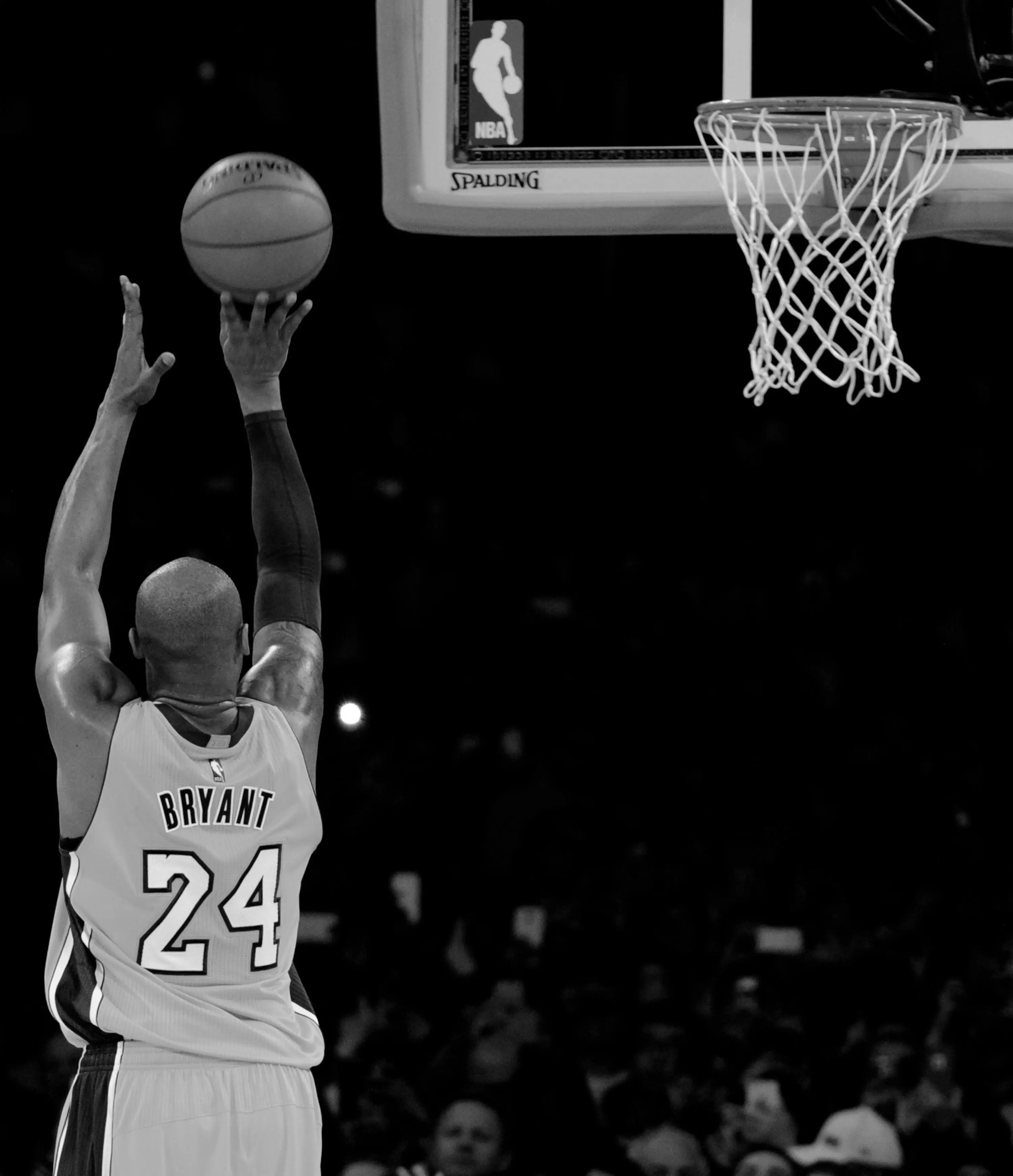
In 2012, Dwight Howard made a high-profile move to the Los Angeles Lakers, a team rich in history and championships. The expectation was that Howard, alongside Kobe Bryant and Pau Gasol, would form a formidable trio capable of contending for titles. However, his time with the Lakers was marred by injuries and chemistry issues.
Struggles and Decline
Howard’s stint with the Lakers was the beginning of a challenging phase in his career. Nagging injuries limited his performance, and his relationship with teammates and coaches became strained. Despite his impressive stats, averaging 17.1 points and 12.4 rebounds per game, the Lakers failed to meet expectations, and Howard’s tenure with the team ended after just one season.
His subsequent moves to the Houston Rockets and later the Atlanta Hawks did little to resurrect his career. While still posting respectable numbers, Howard struggled to find the same level of impact he once had in Orlando. His style of play, which relied heavily on physicality, began to show signs of wear and tear as younger, more versatile players entered the league.
A Brief Resurgence
In 2019, Dwight Howard returned to the Lakers, this time in a reduced role. Embracing his position as a veteran presence, Howard contributed to the team’s success, helping them secure an NBA championship in 2020. This victory was a testament to his resilience and willingness to adapt, albeit not as a superstar but as a crucial role player.
Legacy and Impact
Dwight Howard’s career is a study in the highs and lows of professional sports. At his peak, he was undeniably one of the most dominant players in the NBA, with stats that reflected his impact on the court. His journey also highlights the challenges athletes face in maintaining their performance and dealing with the physical and mental demands of the game.
Despite the decline in his later years, Howard’s legacy remains significant. He is an eight-time NBA All-Star, three-time Defensive Player of the Year, and a key figure in the Orlando Magic’s history. His ability to adapt and contribute to a championship team in his later years speaks volumes about his character and determination.
Conclusion
The rise and fall of Dwight Howard serve as a poignant reminder of the transient nature of sports careers. While his dominance on the court may have waned, his contributions to the game of basketball are enduring. As fans and analysts reflect on his journey, Dwight Howard stands as a symbol of both extraordinary talent and the inevitable challenges that accompany the pursuit of greatness in professional sports.
In the end, Dwight Howard’s story is not just about his stats or accolades; it’s about resilience, adaptation, and the enduring spirit of an athlete who gave his all to the game he loves. His journey continues to inspire new generations of basketball players, reminding them of the highs they can achieve and the perseverance required to overcome the lows.