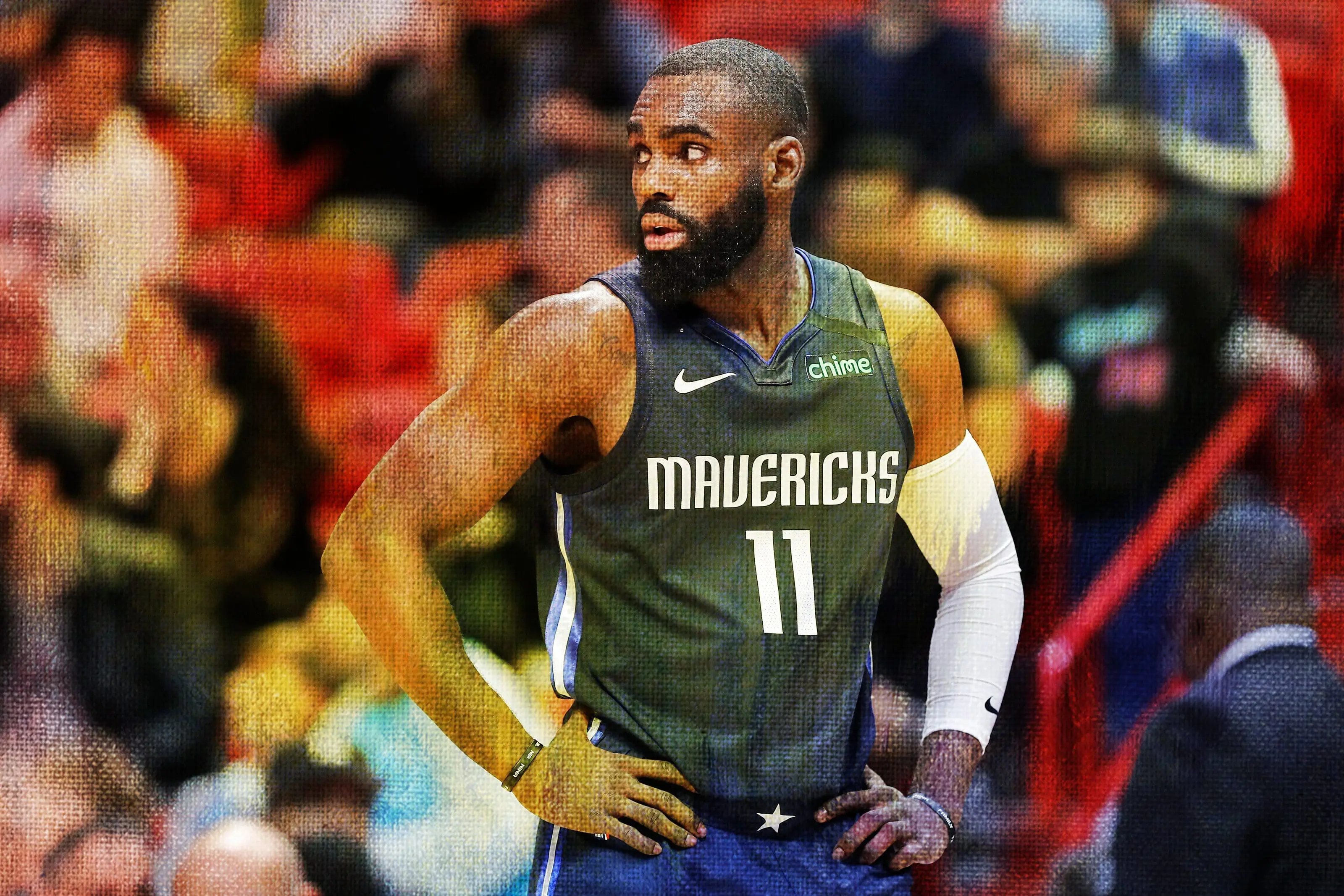
Tim Hardaway Jr. has taken part in 893 games in his NBA career and is sitting with 24,389 mins in those contests. Hardaway was named a starter in 428 matchups, and in those matchups he is averaging 13.7 points per outing and has accrued 12,230 points overall. He racks up 18.1 points per 36 mins, as well as collecting 3.8 boards and earning 2.4 assists in his career. By converting 4,208 baskets of his 10,037 tries, Hardaway has a 41.9% shooting percentage. By converting 2,068 of his 5,659 shots from behind the 3PT line, he has recorded a 3pt percentage of 36.5%. By knocking down 2,140 out of 4,378 two-point tries, he has a rate of 48.9%. Hardaway has knocked down 1,746 out of 2,143 tries at the charity stripe, which had him earning a percentage of 81.5%. Stepping onto the court with an eFG% of 52.2%, he has additionally tallied 1,410 personal fouls as well as 842 giveaways. Sitting with 2,270 defensive rebounds and 274 on the offensive end, Hardaway has tallied 2,544 rebounds in total so far in his NBA career. He has earned 537 steals, as well as 118 blocks and 1,594 assists. In reference to per game stats, Hardaway has an average of 1.8 assists in addition to 2.8 boards.
Tim Hardaway Jr. has established himself as a noteworthy player in the NBA with a career that spans multiple teams and showcases his talents as a shooting guard. His journey through the league reflects his dedication and skill on the basketball court. As a player who has evolved over the years, Hardaway Jr.’s career offers an insightful look into the life of an NBA athlete who has navigated challenges and triumphs alike.
Early Life and College Career
Growing Up in a Basketball Family
Tim Hardaway Jr. was born on March 16, 1992, in Miami, Florida. Growing up as the son of former NBA player Tim Hardaway, basketball was an integral part of his life from a young age. The influence of his father and the exposure to professional basketball shaped his early understanding of the game. This familial connection to the sport provided him with unique insights and motivation to pursue a career in basketball.
High School Achievements
Hardaway Jr. attended Palmer Trinity School, where he began to hone his basketball skills. His talent was evident early on, which led him to transfer to Miami Palmetto High School. At Miami Palmetto, he excelled on the basketball team, showcasing his scoring ability and leadership on the court. His impressive performance in high school basketball earned him attention from college scouts and eventually a scholarship to the University of Michigan.
College Success with the Michigan Wolverines
At the University of Michigan, Hardaway Jr. made a significant impact on the Wolverines’ basketball program. Known for his scoring ability and athleticism, he became a key player for the team. During his time at Michigan, he helped lead the Wolverines to the NCAA Tournament championship game in 2013. Although they fell short to Louisville, Hardaway Jr.’s performance throughout the tournament solidified his status as a top prospect for the NBA draft. His college career was marked by his ability to perform under pressure and contribute to his team’s success.
Entry into the NBA
Draft Day Excitement
Hardaway Jr. entered the 2013 NBA Draft with high expectations, and his potential was recognized when he was selected as the 24th overall pick by the New York Knicks. The draft marked the beginning of a promising career, with many looking forward to his transition from college basketball to the professional arena. Being drafted into the NBA was a dream come true for Hardaway Jr., and he was determined to make the most of the opportunity.
Rookie Season Highlights
His entry into the league was met with anticipation, and Hardaway Jr. quickly showed his potential. In his rookie season with the Knicks, he earned a spot on the NBA All-Rookie First Team for his performance during the 2013-2014 season. Averaging 10.2 points per game, he demonstrated his ability to compete at the professional level. His impressive debut season set the stage for his development as a valuable player in the league.
Learning and Growing
As a rookie, Hardaway Jr. faced the challenge of adapting to the fast-paced nature of the NBA. He used this period to learn from experienced teammates and coaches, absorbing valuable insights into the professional game. This time of learning and growth was crucial for his development, as it allowed him to refine his skills and understand the demands of the NBA.
Career with the New York Knicks
Establishing His Role
Tim Hardaway Jr.’s tenure with the New York Knicks was characterized by his growth as a player. In his rookie season, he quickly became known for his three-point shooting, which made him a valuable asset for the team. His ability to score from beyond the arc was a key component of his game, and he worked tirelessly to improve his shooting accuracy and consistency.
Developing His Game
Over the next few seasons, Hardaway Jr. continued to develop his game, focusing on expanding his skill set and increasing his contributions to the team. He worked on his ball-handling, defensive capabilities, and overall basketball IQ, striving to become a more well-rounded player. Despite his personal growth, the Knicks struggled as a team, which presented challenges for Hardaway Jr. as he sought to make a significant impact.
Trade to the Atlanta Hawks
In 2015, Hardaway Jr. was traded to the Atlanta Hawks as part of a three-team deal. This move marked a new chapter in his career, offering him the opportunity to further refine his skills in a different team environment. The trade was a pivotal moment, as it allowed him to experience a new system and learn from different coaching styles, contributing to his overall development as a player.
Stint with the Atlanta Hawks
Adapting to a New Team
Hardaway Jr.’s time with the Atlanta Hawks allowed him to further refine his skills and adapt to a new team environment. The Hawks’ system was different from what he had experienced with the Knicks, which required him to adjust his playing style and embrace new roles within the team. This period of adaptation was crucial for his growth, as it challenged him to become a more versatile player.
Improvement and Consistency
During his two seasons with the Hawks, Hardaway Jr. became a more consistent scorer. In the 2016-2017 season, he averaged 14.5 points per game, showing significant improvement in his overall game. His time with the Hawks helped him develop a more reliable scoring ability, and he became known for his ability to perform in clutch situations. The consistency he achieved during this period was a testament to his hard work and dedication.
Return to the Knicks
Hardaway Jr.’s performance with the Hawks caught the attention of his former team, the Knicks, who signed him back in 2017 with a lucrative four-year contract. This return was an acknowledgment of his growth and potential as a player, and it offered him the opportunity to take on a more prominent role within the team. Returning to the Knicks was both a homecoming and a chance to build on the foundation he had established earlier in his career.
Return to the New York Knicks
Embracing Leadership
Returning to the New York Knicks, Hardaway Jr. was tasked with being a key player for the team. In the 2017-2018 season, he averaged 17.5 points per game, displaying his ability to contribute significantly to the team’s offense. His return to the Knicks was marked by his leadership on the court, as he took on the responsibility of guiding his teammates and setting an example through his performance.
Challenges and Team Struggles
Despite his individual success, the Knicks continued to struggle in terms of team performance. Hardaway Jr. faced the challenge of balancing his personal achievements with the team’s overall struggles, which required resilience and perseverance. The experience taught him valuable lessons about leadership, teamwork, and the importance of maintaining a positive attitude, even in difficult situations.
Trade to the Dallas Mavericks
In 2019, the Knicks decided to trade Hardaway Jr. to the Dallas Mavericks as part of a package deal for Kristaps Porziņģis. This trade marked another turning point in his career, offering him a fresh start with a new team. The move to the Mavericks was an opportunity for Hardaway Jr. to continue his development and contribute to a team with playoff aspirations.
Success with the Dallas Mavericks
Thriving in a New Environment
Joining the Dallas Mavericks proved to be a turning point for Tim Hardaway Jr. His role with the Mavericks allowed him to play alongside talented players like Luka Dončić, which complemented his style of play. The Mavericks’ offensive system was a perfect fit for his scoring ability, and he thrived in this new environment.
Contributing to Team Success
In the 2019-2020 season, Hardaway Jr. averaged 15.8 points per game and continued to be a reliable three-point shooter. His performance helped the Mavericks secure a playoff berth, showcasing his value to the team. Playing in Dallas allowed him to contribute to a successful team dynamic, and he embraced the opportunity to make a significant impact on the court.
Career Stats and Achievements
Over the years, Tim Hardaway Jr.’s career stats have reflected his growth and consistency as a player. As of the end of the 2020-2021 season, he has averaged around 13.9 points, 2.8 rebounds, and 1.8 assists per game. These stats highlight his proficiency as a scorer and his ability to contribute to his team’s success. His achievements with the Mavericks have been a testament to his hard work and dedication to the game.
Tim Hardaway Jr.’s Playing Style and Strengths
Offensive Prowess
Hardaway Jr. is known for his shooting ability, particularly from beyond the three-point line. His quick release and accuracy make him a threat on the perimeter, and he has developed a reputation as a reliable scorer. In addition to his three-point shooting, his athleticism allows him to drive to the basket and finish plays in the paint, making him a versatile offensive player.
Defensive Capabilities
Defensively, Hardaway Jr. is a solid player who can guard multiple positions. His agility and height give him an edge in contests, allowing him to effectively challenge opponents and disrupt their offensive flow. His defensive capabilities add depth to his team’s lineup and make him a valuable asset on both ends of the court.
Impact on Team Dynamics
Tim Hardaway Jr.’s impact on the teams he has played for is evident. His scoring ability and consistency provide a reliable option in the offense, while his defensive capabilities contribute to the team’s overall performance. His presence on the court often forces opponents to adjust their defensive strategies, opening up opportunities for his teammates. His ability to perform in clutch situations and his leadership qualities have made him a key player for the teams he has been a part of.
Future Prospects
Continuing Development
Looking ahead, Tim Hardaway Jr.’s future in the NBA appears bright. His continued development and contributions to the Dallas Mavericks highlight his potential to remain a key player in the league. As he continues to refine his skills and adapt to the evolving landscape of the NBA, he is poised to further enhance his career stats and solidify his legacy as a proficient basketball player.
Potential for Career Milestones
As Hardaway Jr. continues his career, there is potential for him to achieve significant career milestones. Whether it’s reaching new scoring records, earning All-Star selections, or helping his team achieve playoff success, the possibilities are vast. His dedication to improvement and his ability to perform under pressure suggest that he will continue to achieve great things in the league.
Legacy and Impact
In conclusion, Tim Hardaway Jr.’s NBA career has been marked by growth, perseverance, and success. From his early days with the New York Knicks to his current role with the Dallas Mavericks, he has consistently demonstrated his skill and dedication to the game. As he continues to make strides in his career, fans and analysts alike will be watching closely to see what the future holds for this talented shooting guard. His legacy as a player will be defined by his contributions to the teams he has played for and his impact on the game of basketball.