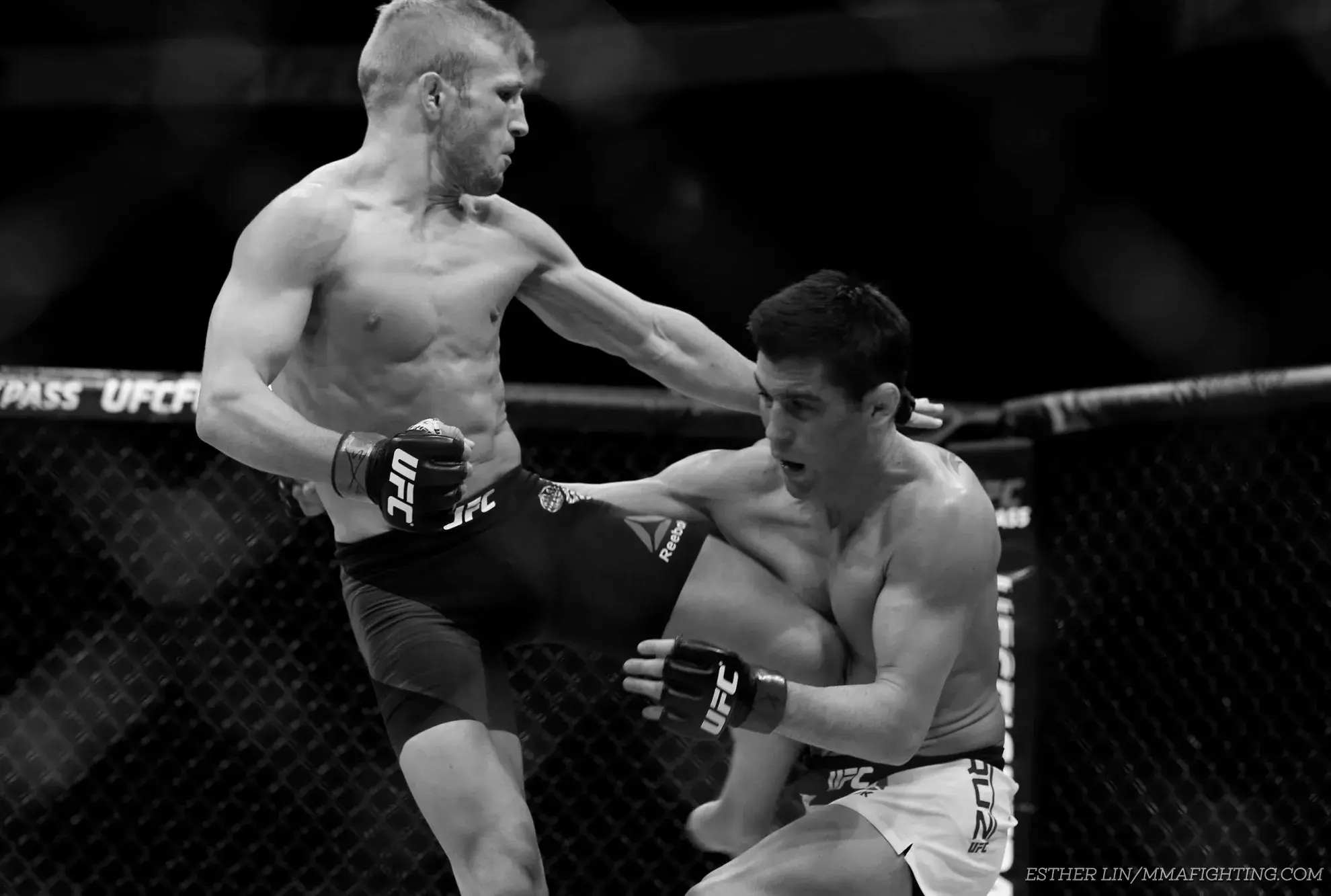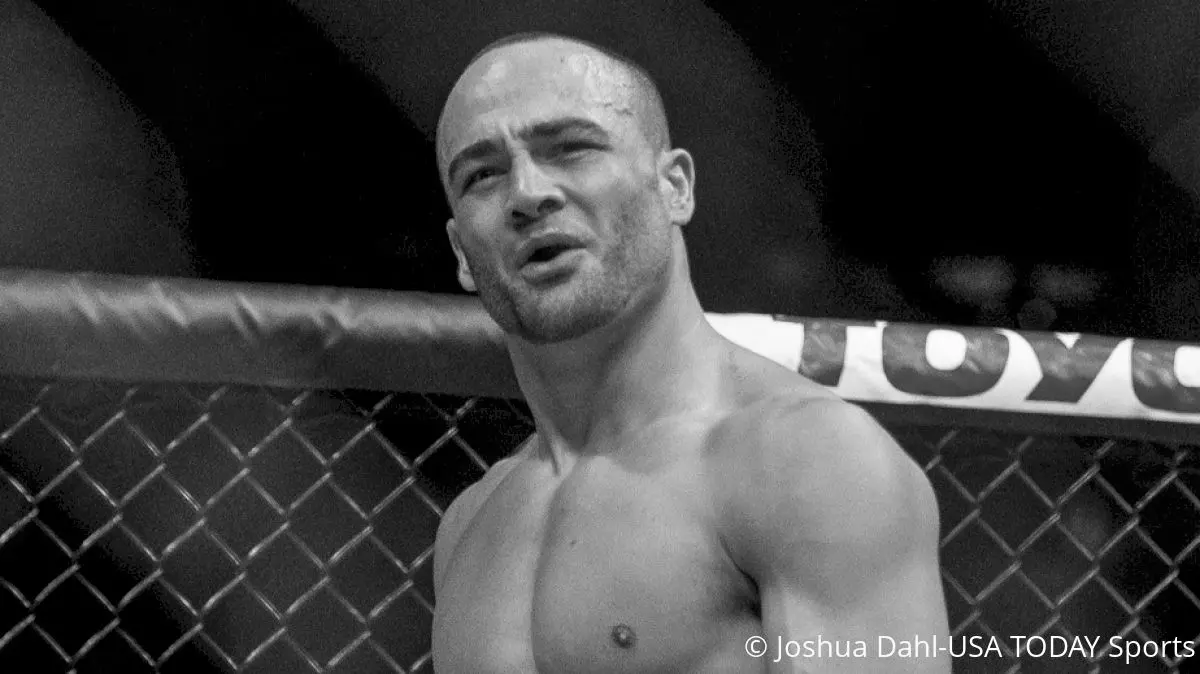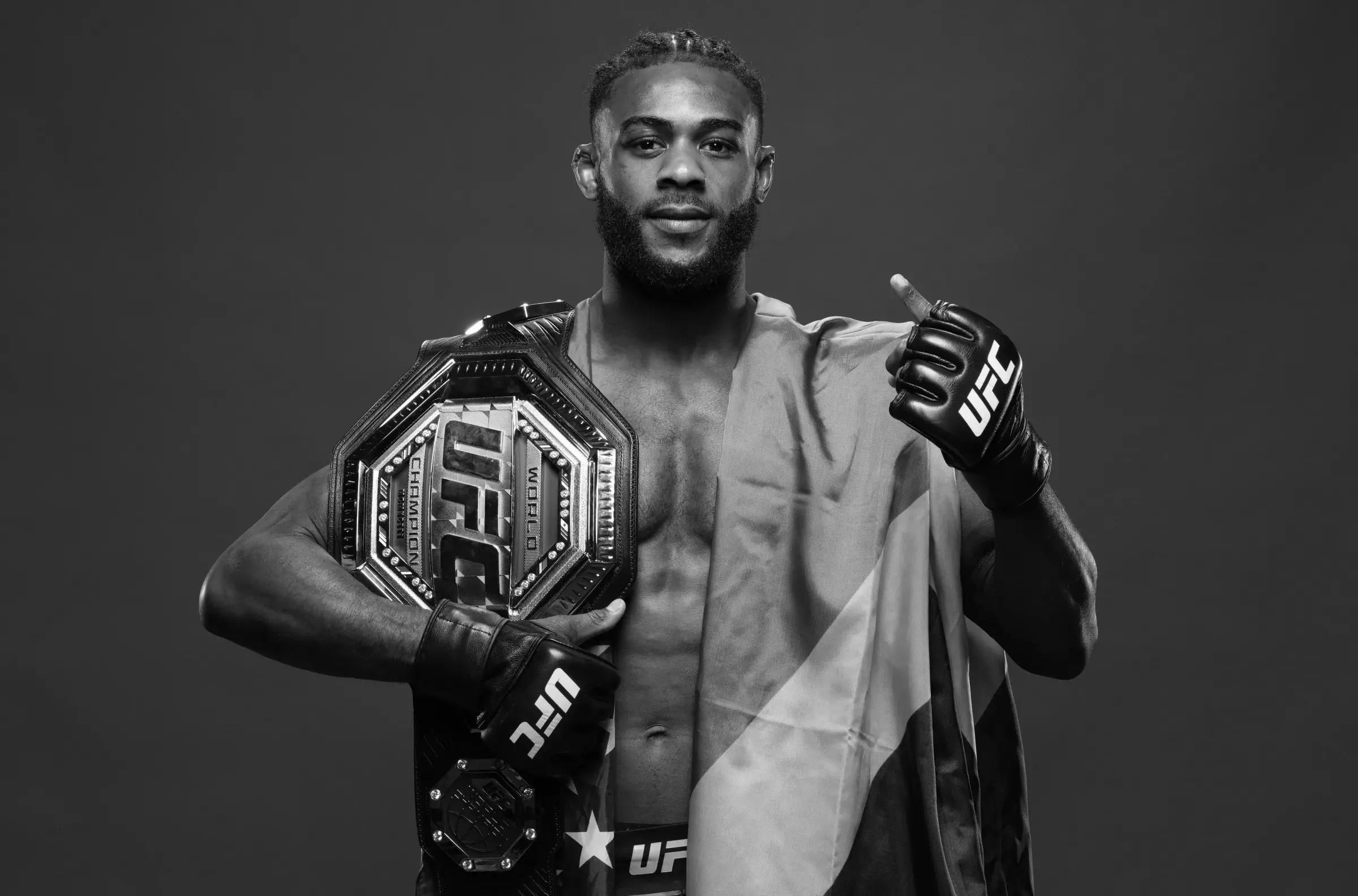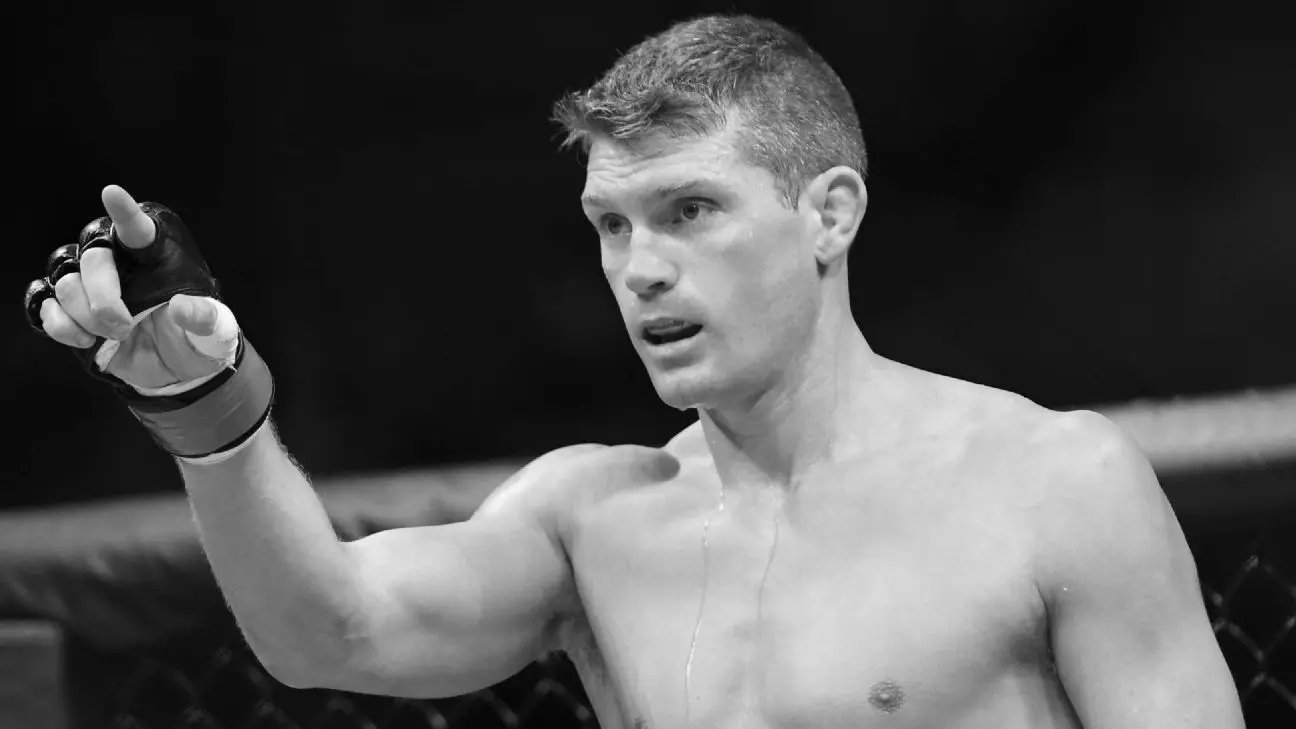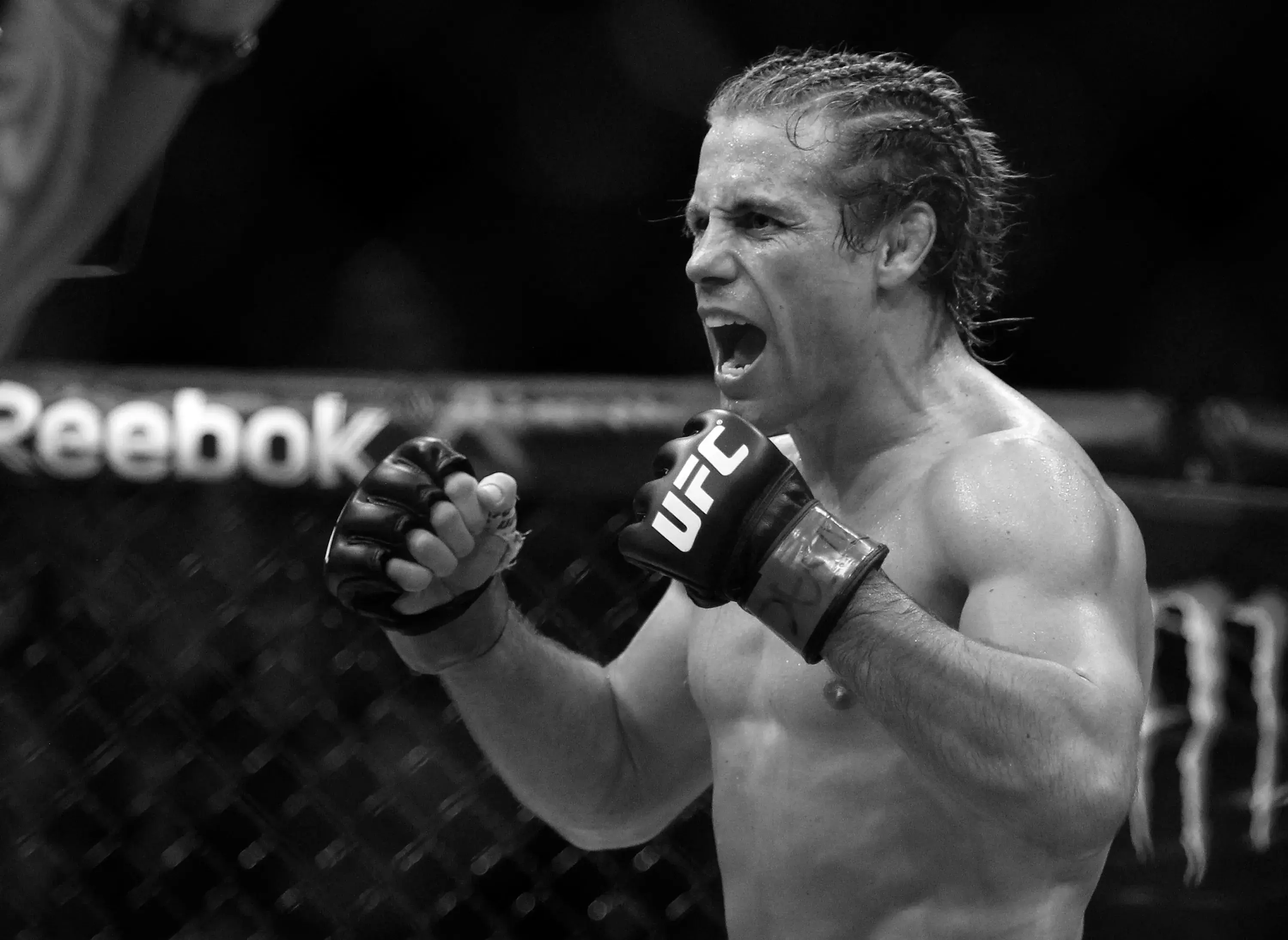
Uriah Faber is a name that resonates with fans of mixed martial arts (MMA) and the Ultimate Fighting Championship (UFC). Known for his dynamic fighting style and charismatic personality, Faber has carved out a remarkable career in the world of combat sports. In this article, we will delve into his journey, fight record, and career stats to understand what makes Uriah Faber a standout figure in the UFC.
Uriah Faber, often referred to as “The California Kid,” was born on May 14, 1979, in Isla Vista, California. His journey into the world of MMA began at a young age, with a strong background in wrestling. Faber attended the University of California, Davis, where he excelled as a wrestler, earning a spot in the NCAA Division I wrestling championships.
Faber’s upbringing in a sport-oriented family laid the foundation for his wrestling prowess. From a young age, he was immersed in various sports, but wrestling became his passion. His dedication to the sport was evident as he trained rigorously, honing the skills that would later define his MMA career.
At UC Davis, Faber’s wrestling skills shone brightly. Competing at a high level, he not only showcased his technical abilities but also his mental toughness. His participation in the NCAA Division I championships was a testament to his hard work and commitment, setting the stage for his transition into MMA.
It was during his college years that Faber discovered a passion for MMA. Intrigued by the sport’s blend of various fighting disciplines, he decided to pursue a career in MMA, setting the stage for a remarkable journey in the octagon. This decision marked a turning point, as he began to explore different martial arts, blending them with his wrestling background.
Faber made his professional MMA debut in 2003. His early fights showcased his exceptional grappling skills and relentless determination. With a combination of wrestling, Brazilian jiu-jitsu, and striking, Faber quickly gained attention as a rising star in the sport.
Faber’s entry into professional MMA was marked by a series of impressive victories. His ability to dominate opponents with his grappling and ground game became evident early on. Each win added to his growing reputation as a formidable fighter.
Faber’s grappling skills were a key factor in his early success. His wrestling background gave him an edge in controlling opponents, while his Brazilian jiu-jitsu training allowed him to secure submissions with ease. This combination of skills made him a force to be reckoned with in the cage.
As Faber’s career progressed, his reputation as a rising star in MMA solidified. His relentless work ethic and determination to improve were evident in every fight. Fans and analysts alike began to take notice of “The California Kid,” predicting a bright future for him in the sport.
Faber’s journey to fame took a significant leap when he joined the World Extreme Cagefighting (WEC) promotion in 2006. The WEC was known for its focus on lighter weight classes, and Faber found his niche in the featherweight division.
The decision to join WEC was a strategic move for Faber. The promotion’s focus on lighter weight classes provided a platform for him to showcase his skills against top-tier competition. This opportunity allowed him to compete at a high level and gain valuable experience.
In 2006, Faber captured the WEC Featherweight Championship by defeating Cole Escovedo. This victory marked the beginning of his reign as one of the most dominant champions in the promotion’s history. The win was a testament to his skill, strategy, and ability to perform under pressure.
Faber successfully defended his title multiple times, solidifying his status as a top-tier fighter. His reign as champion was characterized by decisive victories and a determination to remain at the top. His performances in the WEC earned him a loyal fan base and respect from fellow fighters.
In 2010, the WEC was merged with the UFC, bringing Faber and other WEC fighters into the UFC roster. This transition marked a new chapter in Faber’s career, as he continued to compete at the highest level in the bantamweight division.
The transition to the UFC presented new challenges and opportunities for Faber. Competing in the bantamweight division, he faced a new set of opponents and heightened competition. His ability to adapt to the UFC’s demands showcased his versatility as a fighter.
Faber made his UFC debut against Eddie Wineland at UFC 128 in March 2011. He showcased his versatility with a unanimous decision victory. This fight was a demonstration of his skills and ability to perform on the sport’s biggest stage.
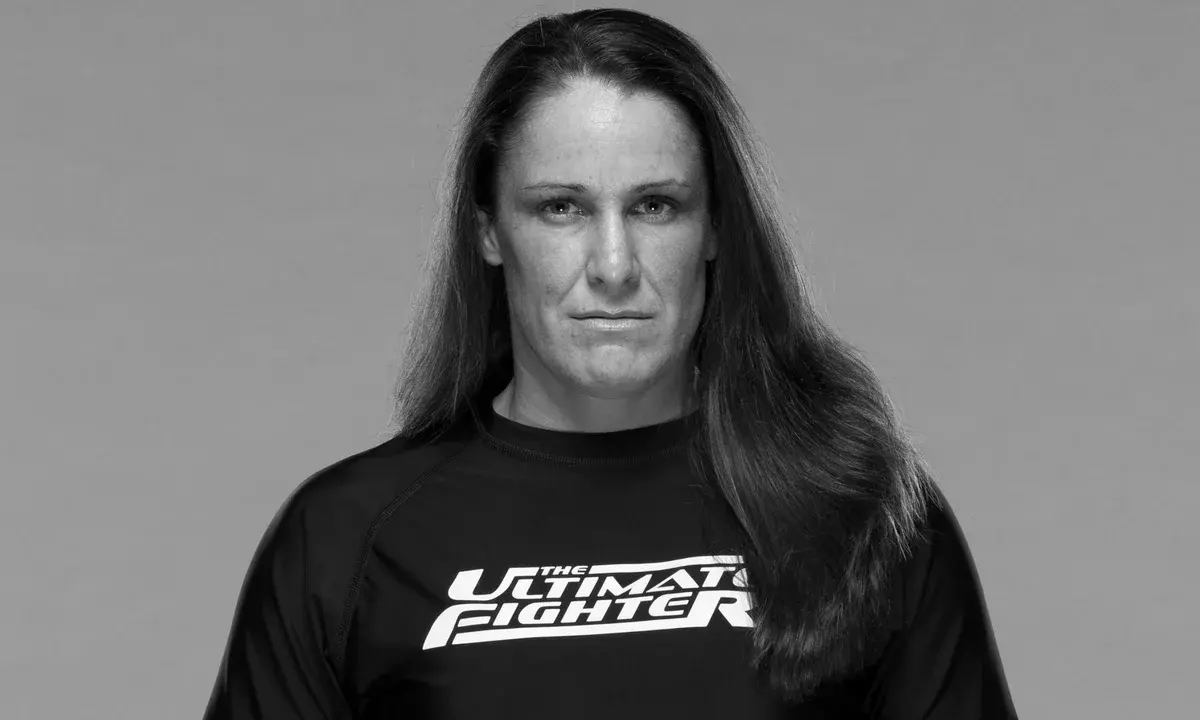
Faber also gained recognition as a coach on “The Ultimate Fighter” reality show, where he mentored aspiring fighters and shared his wealth of experience. His role as a coach highlighted his leadership qualities and dedication to nurturing the next generation of fighters.
Uriah Faber’s fight record speaks volumes about his dedication and skill in the octagon. Over the course of his career, he has faced numerous top-tier opponents and delivered memorable performances.
Faber has competed in over 40 professional MMA bouts, showcasing his longevity in the sport. His extensive fight record is a testament to his durability, determination, and love for the competition. Each fight added to his legacy, contributing to his status as a veteran of the sport.
Known for his exceptional grappling, Faber has secured a significant number of victories by submission, demonstrating his prowess on the ground. His ability to outmaneuver and submit opponents is a defining feature of his fighting style, earning him respect and admiration from fans.
While primarily recognized for his grappling, Faber has also displayed striking power, earning victories by knockout. This versatility in his skill set has made him a well-rounded fighter, capable of ending fights in multiple ways. His striking ability has surprised many opponents, adding an element of unpredictability to his fights.
Faber’s accolades include WEC Featherweight Championship reigns and multiple title shots in the UFC bantamweight division. His achievements in both promotions reflect his status as one of the sport’s elite fighters. His championship victories and title challenges are a testament to his skill, determination, and competitive spirit.
Faber’s impact on the sport extends beyond his fight record. He is regarded as a pioneer in the lighter weight classes, helping to elevate the popularity of these divisions in MMA. His dedication to his craft and willingness to face elite competition have earned him respect from fans and fellow fighters alike.
Faber’s success in the featherweight and bantamweight divisions helped to bring attention to lighter weight classes in MMA. His exciting fighting style and charismatic personality drew fans to these divisions, increasing their visibility and popularity. His influence continues to be felt as lighter weight classes gain recognition in the sport.
Beyond his fighting career, Faber has played a significant role in mentoring and leading aspiring fighters. His work with Team Alpha Male has produced several successful fighters, contributing to the sport’s growth. His commitment to nurturing talent and sharing his knowledge has left a lasting impact on the MMA community.
Faber’s contributions to the sport have been recognized with his induction into the UFC Hall of Fame. This honor reflects his achievements, influence, and legacy in MMA. His induction serves as a reminder of his remarkable career and enduring impact on the sport.
In 2016, Faber announced his retirement from professional fighting, leaving behind a legacy of remarkable achievements. However, like many fighters who can’t resist the call of the octagon, Faber made a comeback in 2019. His return was met with enthusiasm from fans eager to see “The California Kid” in action once more.
Faber’s decision to retire in 2016 was a reflection of his desire to step away from competition while still at the top of his game. His retirement was marked by celebrations of his career and contributions to MMA. Fans and fellow fighters paid tribute to his achievements, recognizing his impact on the sport.
Despite his retirement, Faber felt the pull of the octagon and made a return to fighting in 2019. His comeback was driven by a love for competition and a desire to test himself against the sport’s current talent. The return was a testament to his enduring passion and competitive spirit.
Outside of the octagon, Faber has remained actively involved in the MMA community. He founded Team Alpha Male, a renowned MMA training camp that has produced several successful fighters. Additionally, Faber has ventured into entrepreneurship, launching his own clothing line and fitness products. His business ventures and dedication to developing fighters reflect his commitment to the sport beyond his fighting career.
Uriah Faber’s journey from a college wrestler to a celebrated UFC fighter is a testament to his dedication, skill, and passion for the sport. His impact on MMA, particularly in the lighter weight classes, is undeniable. With a storied career, impressive fight record, and enduring legacy, Uriah Faber continues to be a beloved figure in the world of combat sports.
As fans, we eagerly await the next chapter in his journey, whether it be in the octagon or through his contributions to the sport outside of it. Uriah Faber is not just a fighter; he is an inspiration to aspiring athletes and a true legend in the world of MMA. His story serves as a reminder of what can be achieved through dedication, hard work, and a love for the sport.
Looking ahead, Faber’s influence and contributions to MMA are expected to continue growing. His involvement in coaching, mentorship, and business ventures positions him as a key figure in the sport’s future. Fans and fighters alike look forward to seeing how he will shape the next generation of MMA athletes.
Faber’s legacy is one of excellence, perseverance, and a commitment to the sport he loves. His achievements and contributions will be remembered for years to come, inspiring future generations of fighters. As the sport of MMA continues to evolve, Faber’s impact will remain an integral part of its history.