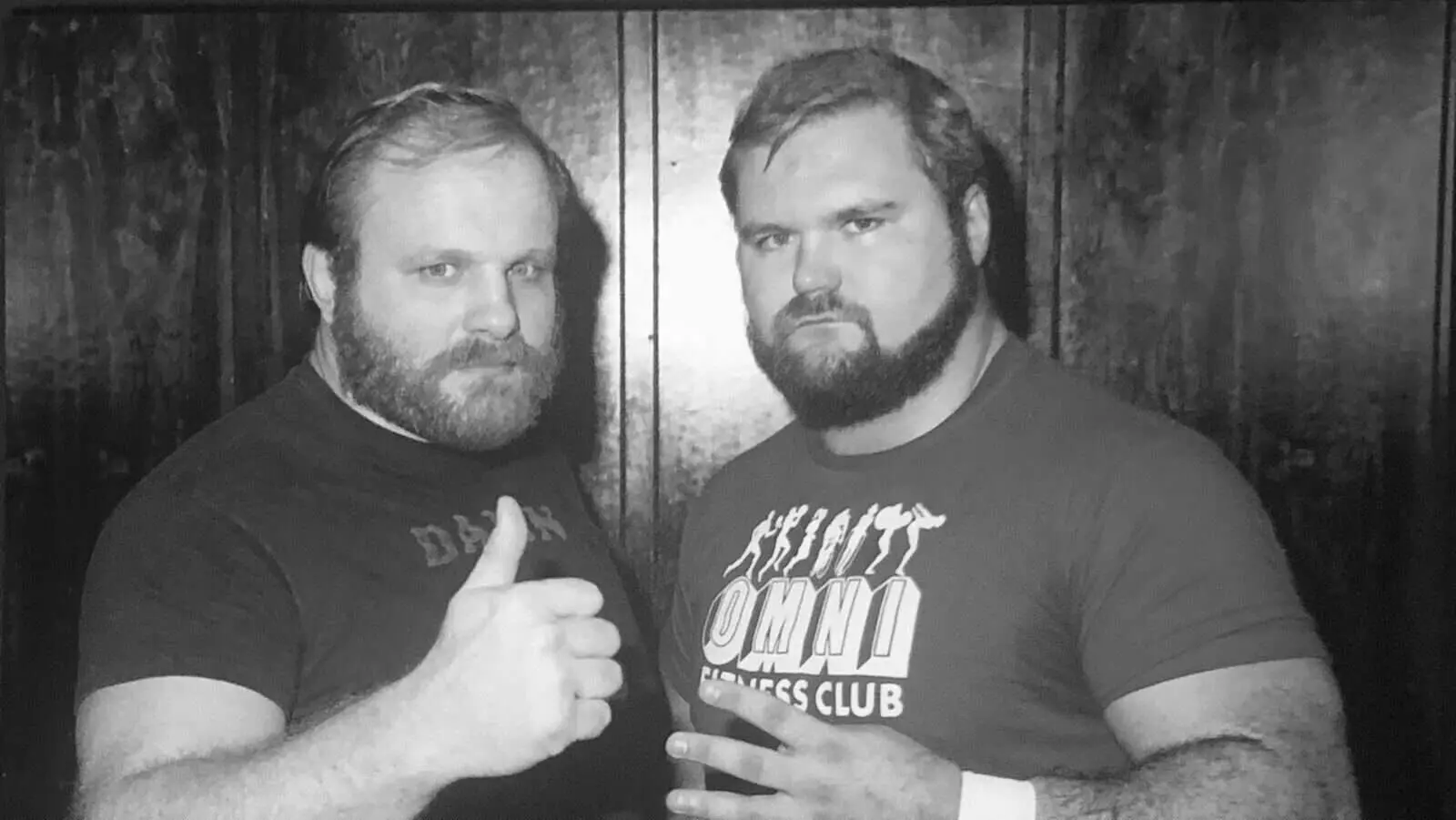
When you dive into the world of professional wrestling, certain names stand out as legends who have left an indelible mark on the industry. One such name is Arn Anderson, a wrestler celebrated for his technical prowess, storytelling ability, and influential role in the wrestling world. This article explores the life, career, and legacy of Arn Anderson, also known as Martin Anthony Lunde.
Martin Anthony Lunde, better known to wrestling fans as Arn Anderson, was born on September 20, 1958, in Rome, Georgia. Growing up, Anderson developed a passion for wrestling, inspired by the grapplers he watched on television. Little did he know that he would one day become one of them, revered by fans and peers alike.
Arn Anderson’s early years were marked by a deep fascination with sports and physical activities. As a child, he was heavily involved in school sports, particularly wrestling, which fueled his desire to pursue a career in the sport. Watching wrestling matches on TV with his family became a routine, instilling in him a dream to one day be in the ring.
Anderson’s upbringing in a small Southern town exposed him to the rich tradition of wrestling in the region. The local wrestling shows that toured through Georgia further piqued his interest, allowing him to witness the athleticism and drama of wrestling up close. These experiences laid the foundation for his future aspirations.


Determined to make a name for himself, Anderson began training rigorously to hone his skills. He faced numerous challenges in his early days, from physical demands to financial struggles. Despite these obstacles, his dedication never wavered, and he continued to push himself beyond his limits to improve.
Finding a mentor in the wrestling community was pivotal for Anderson. He was fortunate to receive guidance from established wrestlers who saw potential in his tenacity and passion. Their support and advice were instrumental in helping him navigate the complexities of the wrestling business.
Anderson’s journey into professional wrestling began in 1982 when he entered the ring for the first time. He quickly made a name for himself as a talented and determined competitor. His strong work ethic and commitment to the craft earned him opportunities in various wrestling promotions across the country.


His debut was marked by a series of matches that showcased his raw talent and determination. Anderson’s ability to connect with the audience was evident from the start, drawing cheers and admiration from fans. His early matches were characterized by intense energy and a clear demonstration of his potential as a future star.
Arn Anderson’s wrestling persona, “The Enforcer,” became synonymous with toughness and reliability. His no-nonsense style and ability to deliver in the ring made him a fan favorite and a respected figure in the locker room.
Creating the “Enforcer” persona was a strategic move that defined Anderson’s career. This character was not just a gimmick; it embodied Anderson’s real-life attributes of strength and resilience. The persona resonated with fans who appreciated the authenticity he brought to the ring.
The moniker “The Enforcer” was indicative of Anderson’s role both in the ring and within the wrestling factions he was a part of. His ability to control the pace of a match and deliver punishing moves made him an integral part of any team. This persona allowed him to stand out in a crowded field of wrestlers.
In 1985, Anderson’s career took a pivotal turn when he joined the legendary wrestling faction known as the Four Horsemen. Alongside Ric Flair, Tully Blanchard, and Ole Anderson, Arn Anderson became part of a group that would dominate the wrestling scene for years. The Four Horsemen were known for their charisma, in-ring skills, and ability to captivate audiences worldwide.
Being part of the Four Horsemen elevated Anderson’s status in the wrestling world. The faction was known for its dominance and flair, and Anderson’s inclusion added a layer of technical excellence to their repertoire. Together, they set new standards for what a wrestling faction could achieve.
Arn Anderson’s wrestling style was characterized by technical excellence and a focus on storytelling. He was known for his spinebuster, a move that became one of his trademarks, and his ability to work a crowd. Anderson’s matches were often filled with drama, suspense, and a level of intensity that kept fans on the edge of their seats.
His signature move, the spinebuster, was a testament to his power and precision. Fans eagerly anticipated its execution during matches, knowing it often signaled a turning point. Anderson’s ability to build a narrative within his matches made him a master storyteller in the ring, captivating audiences with every bout.
Throughout his career, Arn Anderson participated in numerous memorable matches that showcased his talent and versatility as a wrestler. Here are a few highlights:
One of Arn Anderson’s most iconic matches took place at the first-ever Clash of the Champions event in 1988. Teaming up with Tully Blanchard, Anderson faced off against the team of Lex Luger and Barry Windham. The match was a showcase of tag team wrestling at its finest, with Anderson and Blanchard displaying their chemistry and strategic prowess.
The chemistry between Anderson and Blanchard was palpable, as they executed complex moves with seamless coordination. Their ability to anticipate each other’s actions made them a formidable team, and their strategic approach kept their opponents on their toes throughout the match.
In 1989, Anderson had a standout match against The Great Muta at the Great American Bash. This encounter highlighted Anderson’s ability to adapt to different wrestling styles and his knack for putting on a compelling performance regardless of the opponent.
Facing The Great Muta, a wrestler known for his unique style and agility, challenged Anderson to push his limits. The match was a thrilling display of contrasting techniques, with Anderson’s power moves countering Muta’s speed and agility. This clash of styles made for an unforgettable showdown.
Arn Anderson faced off against his longtime friend and fellow Four Horsemen member, Ric Flair, at Halloween Havoc 1995. This match was a testament to the storytelling ability of both wrestlers and remains a classic in the annals of wrestling history.
The history between Anderson and Flair added layers of emotion to their match, captivating fans who were invested in their storied rivalry. Their chemistry was evident as they delivered a match that was as much about the emotional stakes as it was about the physical spectacle. This bout remains a fan favorite to this day.
Arn Anderson’s impact on the wrestling industry extends beyond his in-ring achievements. He was known for his leadership qualities and his willingness to mentor younger talent. Many wrestlers credit Anderson with helping them hone their skills and navigate the challenges of the wrestling business.
Anderson’s role as a mentor was invaluable to many aspiring wrestlers. He took the time to share his knowledge and experiences, offering advice on everything from technical skills to the nuances of performance. His guidance helped shape the careers of many who followed in his footsteps.
His reputation as a reliable and approachable figure in the wrestling community made him a sought-after mentor. Anderson’s ability to connect with younger talent and provide constructive feedback was a testament to his commitment to the future of wrestling.
After retiring from active competition, Anderson transitioned to a behind-the-scenes role, contributing his expertise to various wrestling promotions. His insights into match psychology and storytelling have been invaluable in shaping the next generation of wrestling stars.
Working behind the scenes allowed Anderson to influence the industry in new ways. His strategic mind and understanding of the wrestling business made him an asset in developing storylines and nurturing talent. His legacy continued to grow as he played a crucial role in the evolution of wrestling.
In 2012, Arn Anderson was inducted into the WWE Hall of Fame as a member of the Four Horsemen. This honor recognized his contributions to the wrestling world and cemented his legacy as one of the all-time greats.
The induction was a celebration of Anderson’s storied career and the impact he had on the wrestling industry. Being part of the Hall of Fame was a testament to his enduring influence and the respect he garnered from peers and fans alike. It was a fitting tribute to a career marked by excellence and dedication.
Arn Anderson’s career is a testament to the power of passion, dedication, and skill in achieving greatness. As a wrestler, he captivated audiences with his technical ability and storytelling prowess. As a mentor and leader, he inspired countless wrestlers to follow in his footsteps. Today, Arn Anderson is remembered not only as “The Enforcer” but as a true legend of professional wrestling.
Whether you’re a longtime fan or new to the world of wrestling, exploring Arn Anderson’s matches and contributions provides a glimpse into the artistry and excitement of the sport. His legacy continues to influence and inspire, ensuring that his name will be remembered for generations to come.
Arn Anderson’s journey from a small-town boy to a wrestling icon is a story of resilience and passion. His legacy in the wrestling world is a reminder of the impact that dedication and authenticity can have, not just in sports but in any field of endeavor.