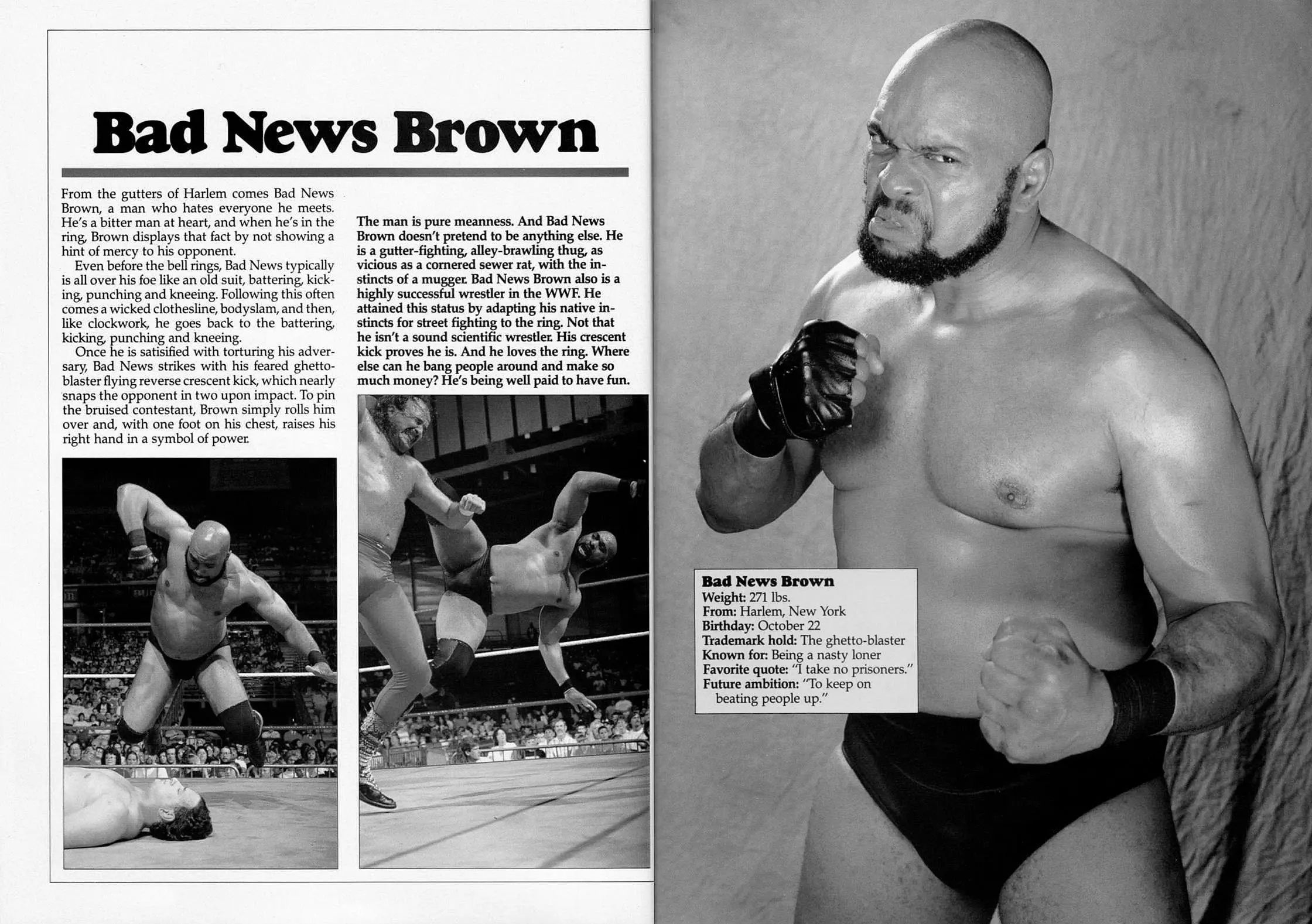
When you think of wrestling legends, names like Hulk Hogan and The Rock often come to mind. However, one name that should never be overlooked is Bad News Brown. Known for his fierce persona and unyielding attitude, Bad News Brown, whose real name is Allen James Coage, left an indelible mark on the world of professional wrestling. His legacy is not just one of triumph in the ring, but also of breaking barriers and setting new standards in the industry. In this article, we will explore the life, career, and legacy of the wrestler Bad News Brown, diving into his best matches and the unique style that set him apart from his peers. Through his story, we uncover the essence of a trailblazer who defied norms and inspired future generations.
Before stepping into the wrestling ring, Allen James Coage had a successful career in judo. Born on October 22, 1943, in New York City, Coage showed an early interest in martial arts, which provided him with discipline and focus from a young age. Growing up in a challenging environment, he used judo as an outlet and a means to channel his energy positively. His dedication to the sport paid off when he went on to become an accomplished judoka, winning a bronze medal at the 1976 Summer Olympics in Montreal. This achievement was groundbreaking, as it made him one of the first African Americans to win an Olympic medal in judo, showcasing his determination and skill.
Coage’s success in judo was a testament to his hard work and resilience, qualities that would later define his wrestling career. His Olympic victory was not just a personal triumph but a significant milestone in the history of African American athletes, inspiring many who followed in his footsteps. The discipline and strength he developed through judo provided a solid foundation for his future endeavors, both in and out of the wrestling ring. His early life and judo career were crucial in shaping the man who would become known worldwide as Bad News Brown.
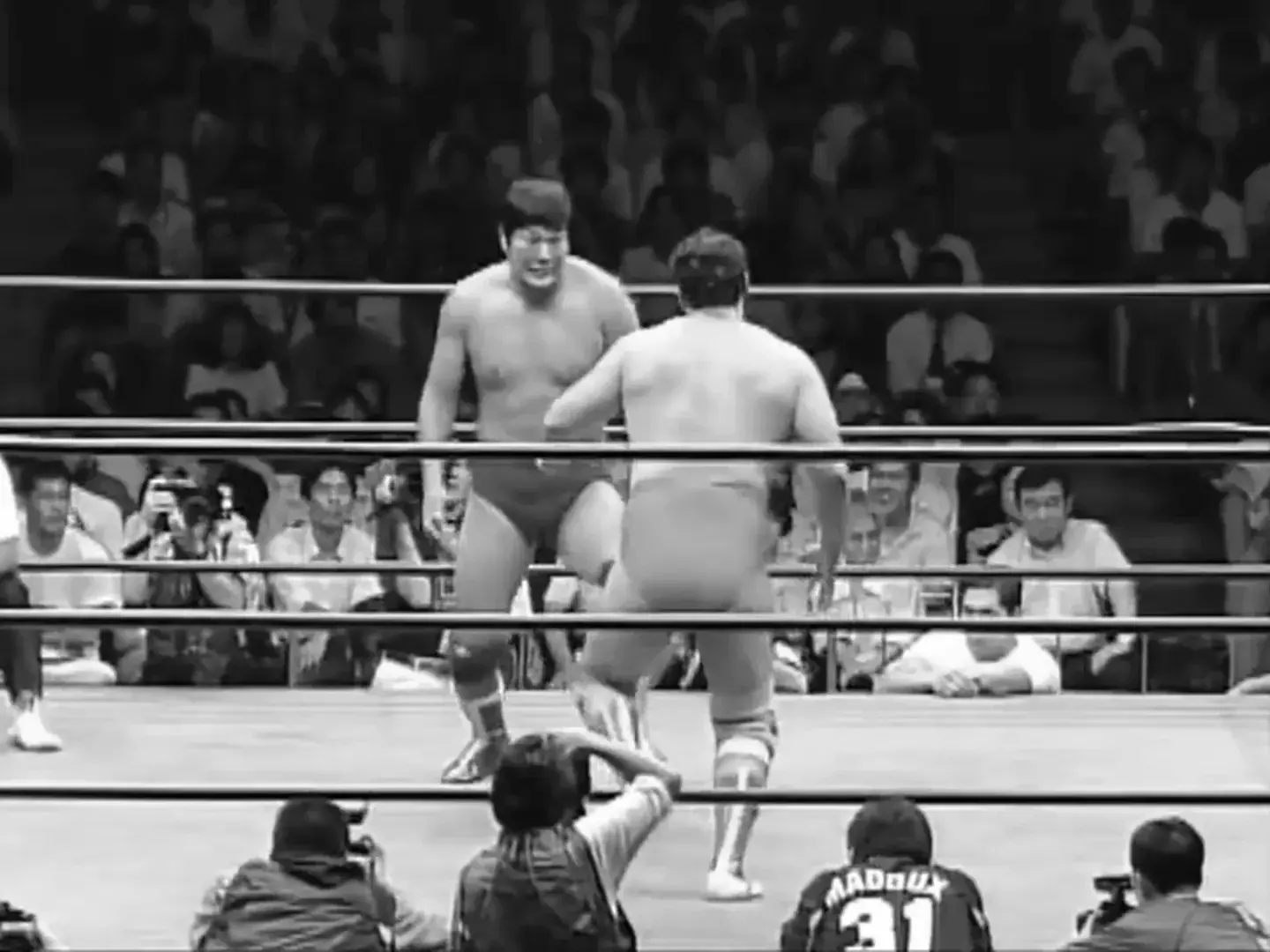
After his judo success, Coage transitioned to professional wrestling in the late 1970s. The transition was not just a career change but a bold step into a new world where he could combine his athletic prowess with entertainment. He trained under the guidance of Antonio Inoki in Japan, where he honed his wrestling skills and developed his in-ring persona. Inoki recognized Coage’s potential and provided him with opportunities to compete in New Japan Pro-Wrestling (NJPW), a platform that was instrumental in shaping his wrestling career.
It was during his time in Japan that Coage adopted the ring name “Bad News Brown.” His character was that of a no-nonsense, tough-as-nails wrestler who didn’t shy away from speaking his mind. This persona resonated with fans and set him apart from the more flamboyant characters of the era. The creation of Bad News Brown was a strategic move that capitalized on Coage’s natural intensity and charisma, allowing him to stand out in a crowded field of performers.
The Bad News Brown persona was not just a character but a reflection of Coage’s own experiences and worldview. It allowed him to connect with audiences on a deeper level, as he embodied the grit and resilience that many admired. His ability to maintain this persona both in and out of the ring contributed significantly to his enduring popularity and influence in the wrestling world. The birth of Bad News Brown marked the beginning of a remarkable journey that would see Coage become one of the most respected figures in professional wrestling.
Bad News Brown’s wrestling career spanned several promotions, including NJPW, the World Wrestling Federation (WWF), and Stampede Wrestling. His intense persona and unique style made him a fan favorite and a formidable opponent in the ring. Each promotion offered different challenges and opportunities, allowing Brown to showcase his versatility and adaptability as a performer. His ability to succeed across various wrestling platforms is a testament to his skill and determination.
Bad News Brown made his WWF debut in 1988, quickly establishing himself as a heel (villain) character. He was known for his brutal finishing move, the “Ghetto Blaster,” a devastating enzuigiri kick to the back of the opponent’s head. This move became synonymous with his character, striking fear into opponents and captivating fans with its sheer impact.
One of his most memorable feuds was with “Rowdy” Roddy Piper. The rivalry between the two was intense and culminated in a match at WrestleMania VI. Their clash was a display of physicality and storytelling, with both wrestlers showcasing their charisma and in-ring prowess. The feud with Piper was not just about their matches but also about the compelling narratives they created, which kept audiences engaged and invested in their storyline. This rivalry remains a highlight in wrestling history, exemplifying the art of storytelling within the sport.
Bad News Brown had several standout matches throughout his career. One of his best performances came against Bret “The Hitman” Hart. The two faced off in a match that highlighted Brown’s toughness and Hart’s technical skill. The encounter was a testament to Brown’s ability to hang with the best in the business, demonstrating his capability to adapt to different wrestling styles and opponents.
Another notable match was his bout against Jake “The Snake” Roberts. The storyline leading up to their encounter added depth to their rivalry, culminating in a hard-hitting contest that left a lasting impression on fans. These matches were not only entertaining but also showcased Brown’s in-ring psychology and ability to engage with the audience. His ability to deliver memorable performances against a variety of opponents cemented his status as a versatile and skilled wrestler.
Bad News Brown’s influence on the wrestling world extended beyond his in-ring accomplishments. He was a trailblazer, breaking barriers as an African American wrestler in a predominantly white industry. His fierce persona and commitment to authenticity paved the way for future wrestlers who sought to break away from traditional character molds. His legacy is one of courage and innovation, inspiring countless wrestlers to pursue their unique paths in the industry.
Many contemporary wrestlers cite Bad News Brown as an inspiration. His no-nonsense attitude and dedication to his craft resonated with a new generation of performers who value authenticity and character depth. Wrestlers like Stone Cold Steve Austin and CM Punk have acknowledged Brown’s impact on their own careers, emphasizing the importance of staying true to oneself in the wrestling business. His influence is evident in the way modern wrestling embraces diverse characters and storylines, reflecting the changes he helped initiate.
Bad News Brown’s legacy continues to resonate with fans and wrestlers alike, serving as a reminder of the power of authenticity and resilience. His contributions to the wrestling world are celebrated not just for their historical significance but also for the way they continue to shape the industry today. By staying true to his character and pushing boundaries, Brown left an indelible mark on professional wrestling that endures to this day.
Outside the ring, Allen Coage was known for his humility and dedication to his family. Despite his tough on-screen character, those who knew him personally described him as a kind and respectful individual. His ability to separate his wrestling persona from his real-life personality speaks to his professionalism and skill as a performer. Coage’s life outside wrestling was characterized by the same principles of integrity and dedication that defined his career.
After retiring from professional wrestling in the early 1990s, Coage focused on his family and personal life. He occasionally made appearances at wrestling events and conventions, where he was warmly received by fans and peers alike. These appearances allowed him to connect with the wrestling community and share his experiences and insights, further solidifying his legacy as a beloved figure in the industry.
His legacy as Bad News Brown continued to inspire and entertain, ensuring that his contributions to wrestling would not be forgotten. Coage’s post-wrestling life was marked by the same passion and commitment that characterized his career, making him a respected figure both inside and outside the wrestling world. His story is a testament to the enduring impact of a true wrestling icon, whose influence continues to be felt long after his time in the ring.
Bad News Brown was a unique and influential figure in the world of professional wrestling. His career, marked by memorable matches and intense rivalries, left a lasting impact on fans and fellow wrestlers. As a trailblazer and an inspiration to future generations, Allen James Coage, the wrestler known as Bad News Brown, will forever be remembered as a legend of the squared circle. His story is not just one of personal triumph but also of breaking barriers and setting new standards in the wrestling industry.
Whether you’re a longtime wrestling fan or new to the sport, Bad News Brown’s story is a testament to the power of determination, authenticity, and the enduring legacy of a true wrestling icon. His contributions to the world of wrestling continue to inspire and resonate, reminding us of the impact one individual can have in shaping the future of a sport and its culture.