Terrell Owens laced them up in 1867 games during his career. His catch percentage sat at 57.7% and he earned that by catching 1,078 out of the 1,867 passes that were attempted. He earned 15,934 yards and had an average of 14.8 yards per reception. During his NFL career, Owens sat with 153 receiving touchdowns. His receptions per game and yards per outing average were 0.6 and 8.5 yards.
The National Football League (NFL) has seen many incredible talents over the years, but few have matched the charisma and skill of Terrell Owens. Known for his impressive career stats and dynamic personality, Owens left an indelible mark on the league. This article explores the highlights of Terrell Owens’ NFL career, from his early days to his rightful place in the Hall of Fame. His journey is a narrative of triumph, resilience, and an unwavering commitment to excellence.
Early Life and Entry into the NFL
Born on December 7, 1973, in Alexander City, Alabama, Terrell Eldorado Owens displayed athletic prowess early in his life. He excelled in multiple sports at Benjamin Russell High School, including football, basketball, and track. His versatility and athleticism were evident from a young age, with coaches recognizing his potential across various sports disciplines. Owens’ family background and community played a significant role in shaping his early years, instilling in him a strong work ethic and competitive spirit.
His journey to the NFL began at the University of Tennessee at Chattanooga, where he played college football and drew attention for his standout performances. Despite not being at a major football powerhouse, Owens’ talent shone through, earning him recognition and setting the stage for his professional career. The decision to attend Chattanooga, rather than a larger school, was a testament to his belief in his abilities and determination to make a name for himself in the sport. In 1996, Owens entered the NFL Draft and was picked in the third round by the San Francisco 49ers. Despite being a lower-round draft pick, Owens quickly proved his worth on the field, showcasing the skills that would later define his career.
Rise to Stardom with the San Francisco 49ers
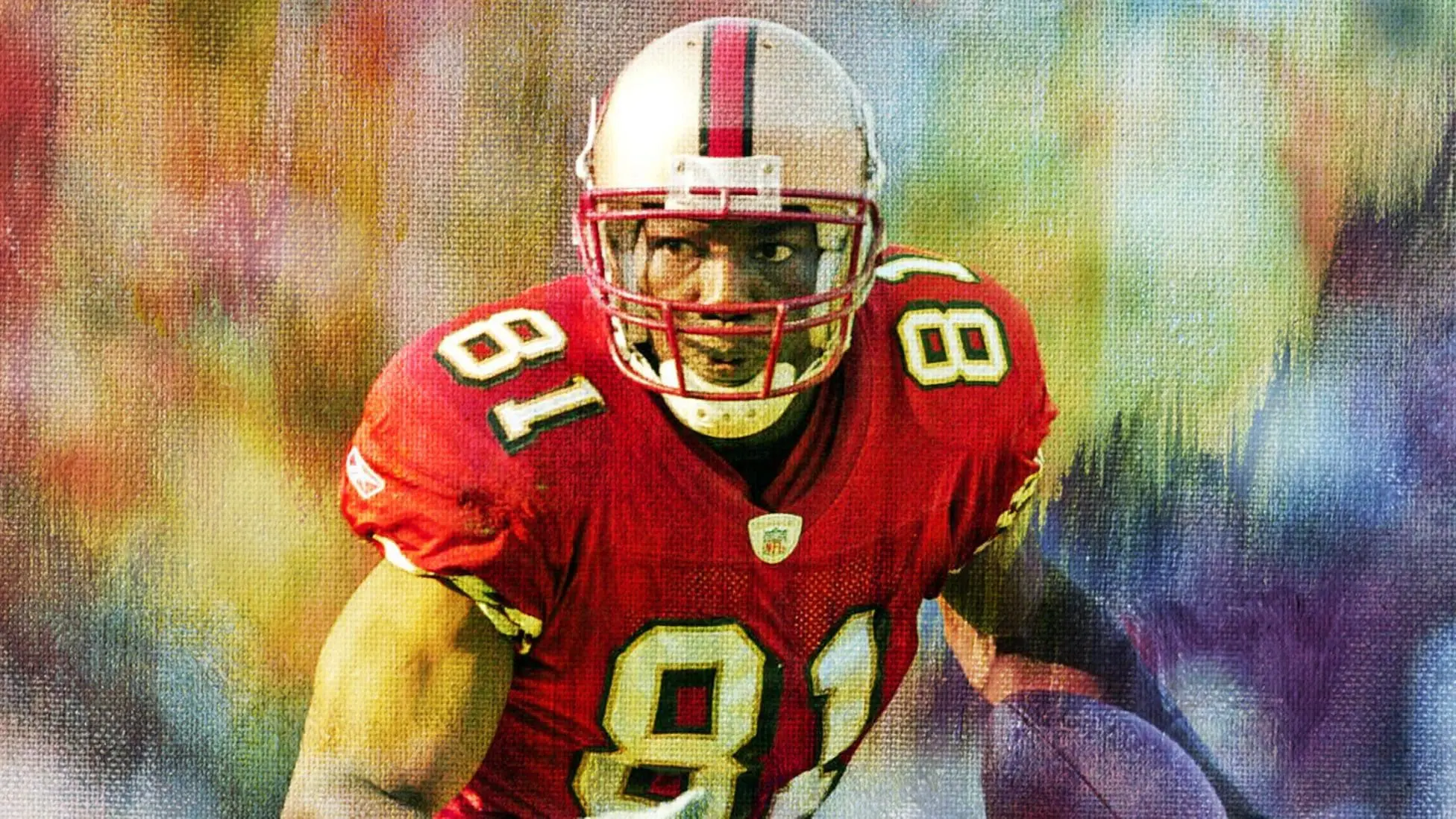
Owens spent eight seasons with the 49ers, from 1996 to 2003. During this time, he developed into one of the league’s top wide receivers. His ability to make clutch catches and his strong physical presence made him a fan favorite. Owens’ tenure with the 49ers was marked by his continuous improvement and adaptation to the evolving dynamics of the game. His chemistry with quarterbacks and understanding of the game deepened each season, making him an indispensable asset to the team.
In 2000, Owens recorded a career-high 1,451 receiving yards, which was just a glimpse of the remarkable feats to come. This period was not only about personal achievements but also about building a legacy that would inspire his teammates and fans alike. His leadership qualities emerged as he took younger players under his wing, sharing his knowledge and passion for football.
Memorable Moments
One of Owens’ most iconic moments came during a 1998 game against the Green Bay Packers. With seconds remaining, he caught a winning touchdown pass from Steve Young, a play famously known as “The Catch II.” This moment cemented his reputation as a clutch player. The play was a turning point in Owens’ career, showcasing his ability to perform under pressure and his flair for the dramatic.
Beyond “The Catch II,” Owens consistently delivered performances that thrilled audiences and left an indelible mark on the franchise’s history. His enthusiasm and unique celebrations captured the imagination of fans, making each game an event in itself. These moments, while entertaining, also underscored his deep understanding of the sport and his ability to execute plays with precision and flair.
Terrell Owens’ Career Stats
Owens’ statistics speak volumes about his impact on the game. Over his 15-year career, he amassed 15,934 receiving yards, ranking him third all-time in NFL history. His ability to consistently gain yards and make big plays was a defining feature of his playing style. He also scored 153 touchdowns, showcasing his ability to find the end zone consistently. These numbers reflect not only his physical abilities but also his mental toughness and strategic acumen on the field.
Owens’ career stats are a testament to his longevity and durability in a sport known for its physical demands. His ability to maintain such high performance over the years is a testament to his rigorous training regimen and dedication to his craft. His presence on the field was a constant threat to defenses, and his stats are a clear indicator of his influence on the game.
Key Achievements
- Pro Bowl Selections: Owens was selected to the Pro Bowl six times, reflecting his status as one of the league’s elite receivers. His selections were a recognition of his consistent excellence and ability to perform at the highest level.
- All-Pro Honors: He received All-Pro honors five times, further solidifying his place among the NFL’s best. These honors acknowledged his contributions and the respect he commanded from peers and analysts alike.
- NFL 2000s All-Decade Team: His performances throughout the decade earned him a spot on this prestigious team. This accolade was a nod to his dominance in the era and his influence on the game’s evolution during that period.
Stints with the Philadelphia Eagles and Dallas Cowboys
After leaving the 49ers, Owens joined the Philadelphia Eagles in 2004. His impact was immediate, helping the team reach Super Bowl XXXIX. His arrival injected new energy into the Eagles’ offense, and his on-field chemistry with quarterback Donovan McNabb was evident. Despite playing with an injured ankle, Owens delivered an unforgettable performance with 122 receiving yards, although the Eagles ultimately fell short against the New England Patriots.
In 2006, Owens signed with the Dallas Cowboys. He continued to deliver impressive performances, leading the league in touchdown receptions in 2006. His time with the Cowboys further solidified his reputation as a game-changing player. The Cowboys benefitted from his veteran presence, and Owens’ leadership in the locker room was pivotal in mentoring younger players and elevating the team’s overall performance.
Later Career and Retirement
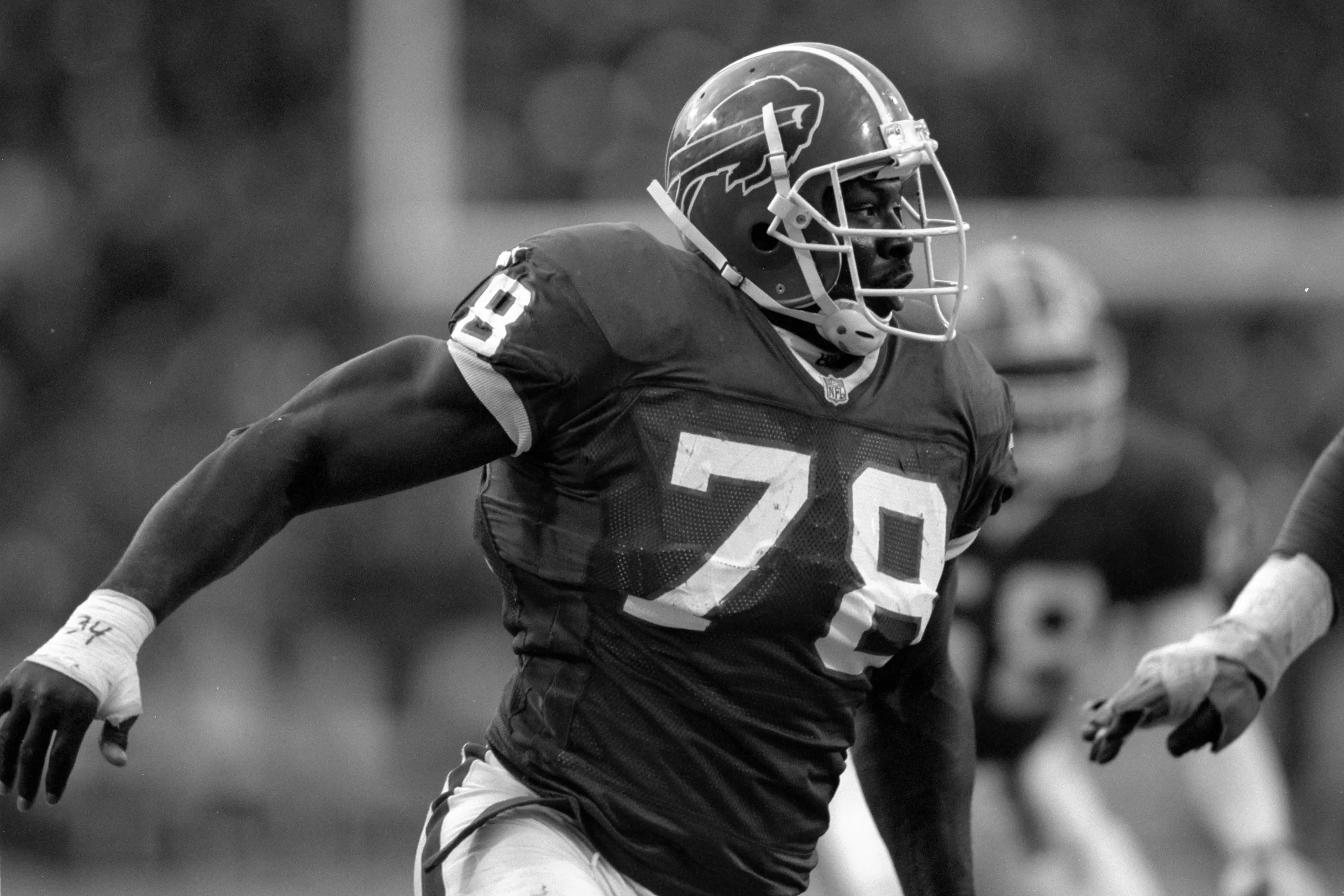
Owens’ career continued with stints at the Buffalo Bills and Cincinnati Bengals. While his production declined compared to his peak years, he remained a formidable opponent for defenses. His adaptability and experience allowed him to contribute meaningfully, even as his physical attributes began to wane. Owens’ final NFL season was in 2010 with the Bengals, where he recorded a respectable 983 receiving yards and nine touchdowns, a testament to his enduring skill and tenacity.
Post-NFL Career and Hall of Fame Induction
After retiring from professional football, Owens continued to engage with the sport in various capacities. He participated in reality television shows and made appearances on sports networks, sharing his insights and experiences. His post-NFL endeavors allowed him to remain connected to the sport and its community, offering a platform for him to share his journey and inspire others.
In 2018, Owens was inducted into the Pro Football Hall of Fame. His induction was a testament to his incredible career and the lasting impact he made on the game. Owens chose to celebrate his induction in Chattanooga, Tennessee, instead of the traditional ceremony in Canton, Ohio, highlighting his unique approach to life and football. This decision was reflective of his independent spirit and desire to honor the place that played a crucial role in his development as a player and a person.
Legacy and Influence
Terrell Owens’ NFL career is remembered not only for his remarkable stats and achievements but also for his larger-than-life personality. He brought entertainment and excitement to the game, often celebrating touchdowns with memorable and sometimes controversial antics. Owens’ confidence and flair made him a polarizing figure, but his talent and dedication to football were undeniable. His ability to captivate audiences both on and off the field contributed to the NFL’s growing popularity during his career.
A Role Model for Future Generations
Owens’ journey from a small-town athlete to an NFL legend serves as an inspiration for aspiring football players. Despite facing challenges and criticism throughout his career, he consistently proved his doubters wrong with his performances on the field. His story is a testament to the power of resilience and belief in one’s abilities. Owens’ influence extends beyond his statistical achievements, serving as a beacon of hope for those who dare to dream big and work tirelessly toward their goals.
Conclusion
Terrell Owens’ NFL career was a remarkable journey filled with highs and lows, unforgettable moments, and extraordinary achievements. His legacy as one of the greatest wide receivers in NFL history is firmly established, and his influence on the game continues to be felt. Owens’ story is a testament to the power of talent, perseverance, and the impact one player can have on the sport of football. His contributions to the game, both on and off the field, have left an indelible mark that will inspire future generations.
In reflecting on his career, it’s clear that Terrell Owens was more than just a football player; he was a game-changer whose contributions will be remembered for generations to come. His story is not just about football but about the human spirit’s capacity to overcome adversity and achieve greatness.