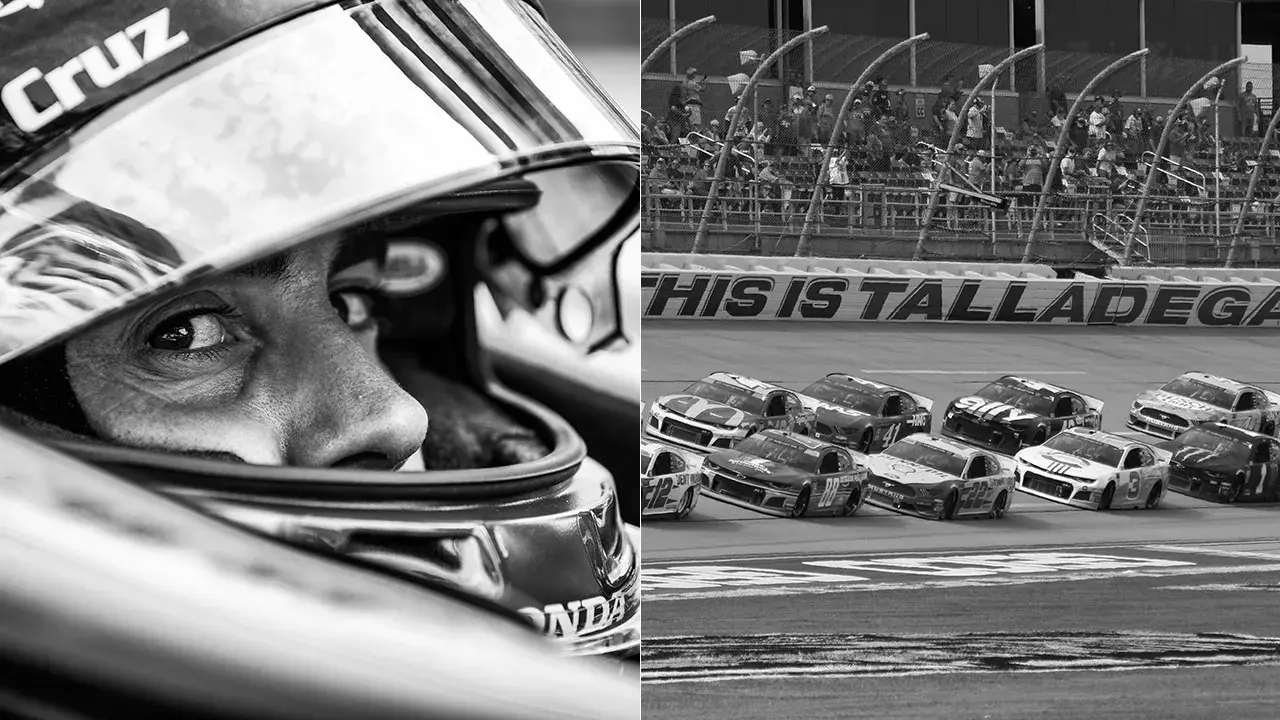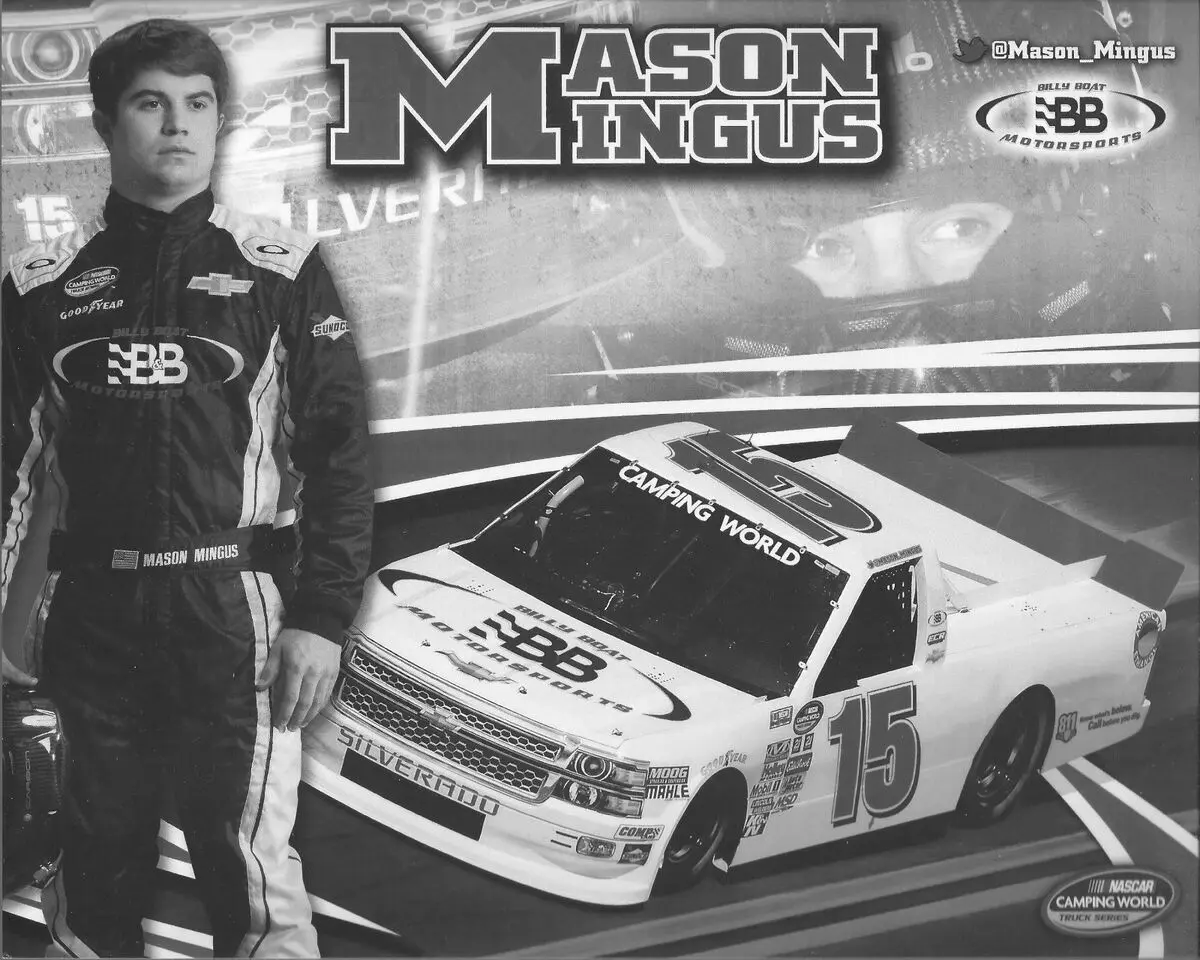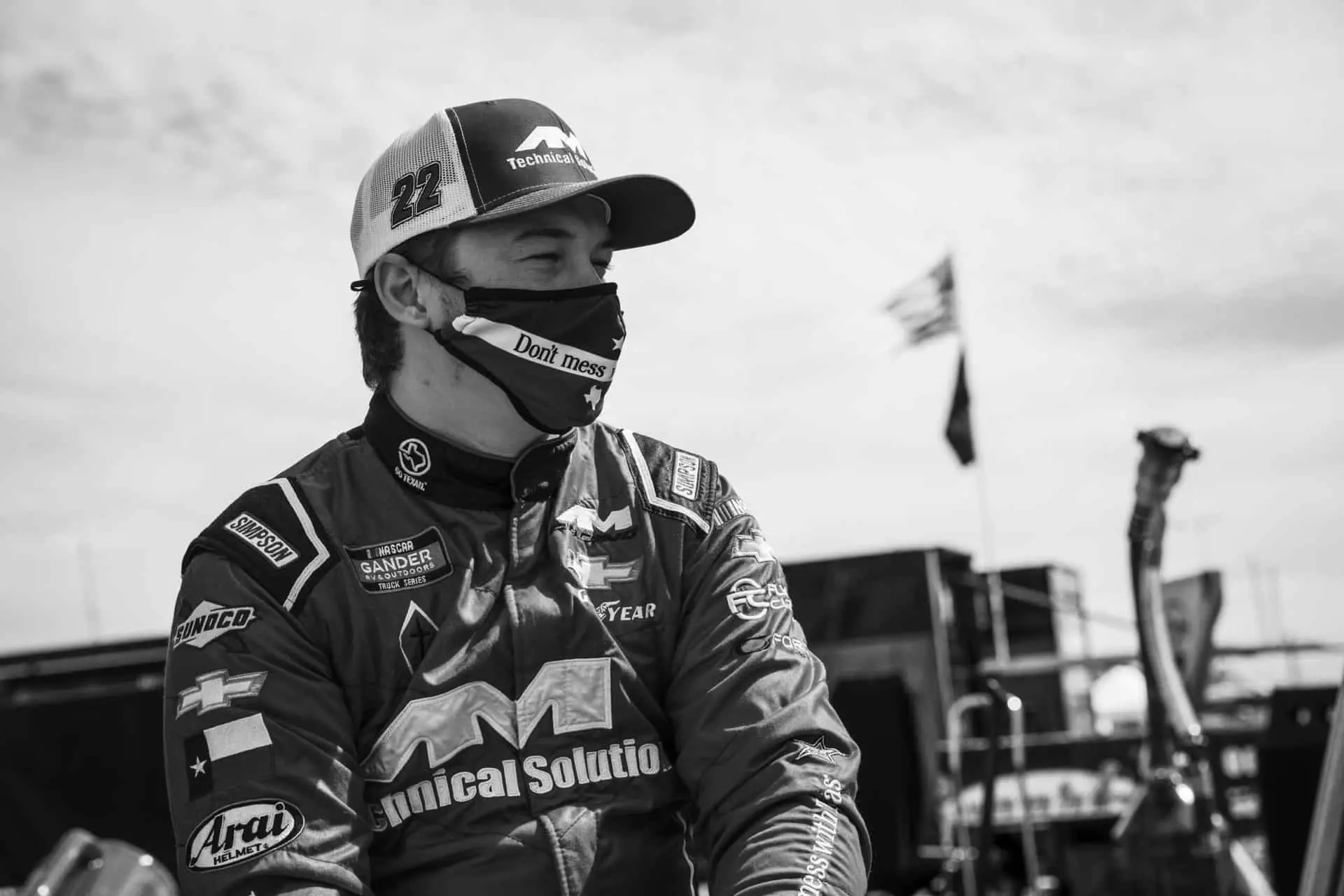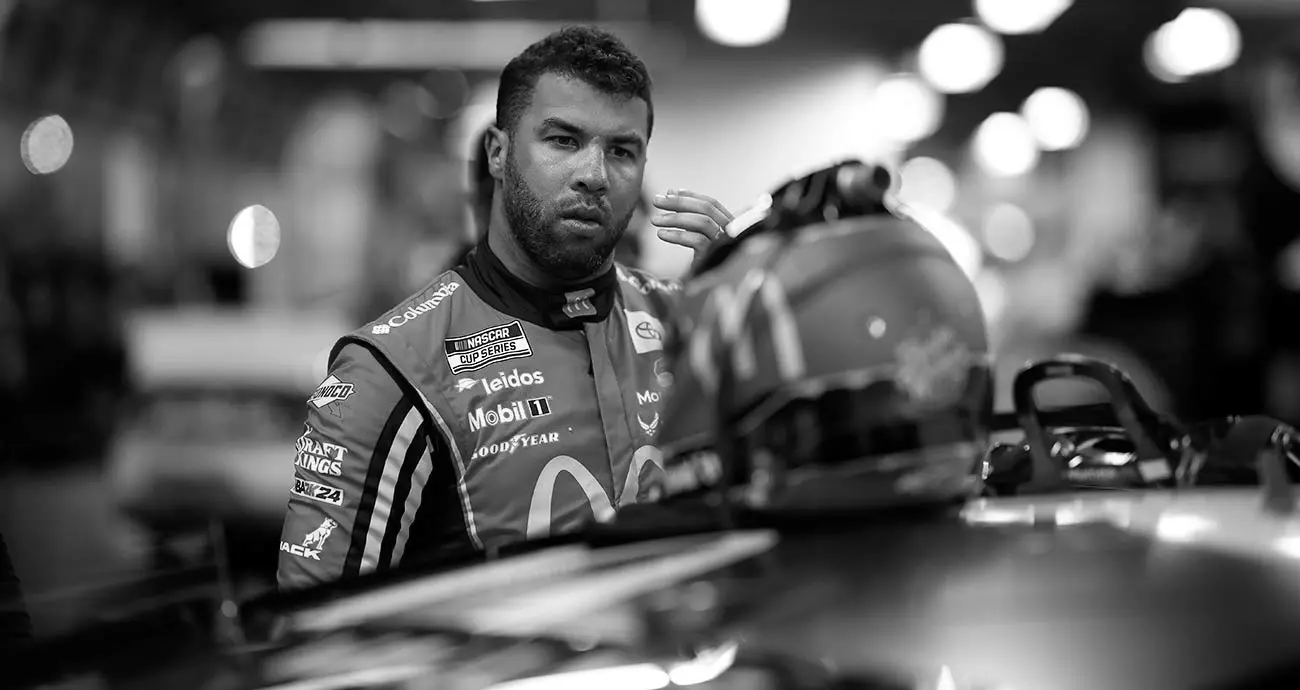
Bubba Wallace, a name synonymous with grit, determination, and groundbreaking achievements in the world of motorsports. As a prominent race car driver, Wallace has not only made a mark on the tracks but has also become a significant figure in breaking barriers within the sport. In this article, we delve into the life and career of Bubba Wallace, exploring his journey, challenges, and triumphs.
Born as Darrell “Bubba” Wallace Jr. on October 8, 1993, in Mobile, Alabama, Wallace grew up with a passion for speed and competition. His childhood was marked by an innate curiosity for how things worked, particularly cars, which would set the stage for his future career.
Wallace’s upbringing played a crucial role in shaping his racing ambitions. His family’s support was unwavering, with his father often taking him to races and fostering his interest in motorsports. This familial encouragement was crucial in his development, giving him the confidence to pursue his passion.
Wallace’s introduction to racing began in karting at the tender age of nine. It was here that he honed his skills, learning the intricacies of speed and control. Karting provided the perfect platform for Wallace to understand racing dynamics, and his natural talent quickly became evident as he began winning local races.
As Wallace’s skills on the karting circuits became undeniable, he transitioned to more competitive forms of racing. His early success in karting set the stage for a promising career in motorsports, providing him with the exposure and experience needed to climb the racing ladder.
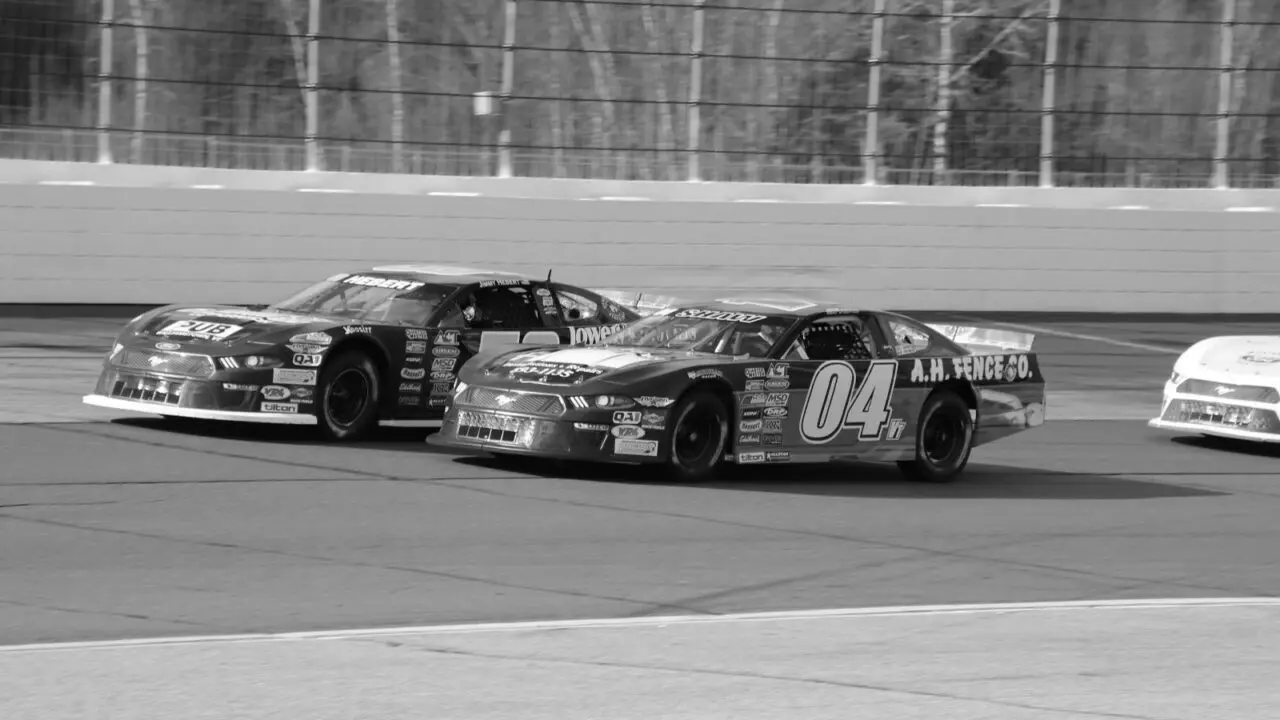
Bubba’s talent was evident early on, and his rise through the ranks of racing was swift. By his teenage years, he had already made a name for himself in the Legends and Bandolero series, showcasing his potential to compete at higher levels.
In the Legends and Bandolero series, Wallace demonstrated exceptional skill and composure, often racing against older and more experienced competitors. His ability to outmaneuver and strategize on the track earned him respect and recognition, propelling him into the spotlight.
In 2010, Wallace made his debut in the NASCAR K&N Pro Series East, a regional stock car racing series. His performance was nothing short of impressive, as he clinched the Rookie of the Year title and finished third in the overall standings. This achievement marked him as a rising star in the NASCAR circuit and showcased his ability to compete under pressure.
During this period, Wallace built a reputation for his aggressive yet calculated driving style. His ability to adapt to different tracks and conditions made him a formidable competitor, and his victories served as a testament to his skill and dedication. His ascent through the ranks was not just about skill but also about building a professional image that resonated with fans and sponsors alike.
In 2013, Bubba Wallace made headlines as he became the first African American driver to win a NASCAR national series race in nearly 50 years. His victory at the NASCAR Truck Series event at Martinsville Speedway was a historic moment, not just for Wallace but for the sport as a whole.
Wallace’s journey in NASCAR has been one marked by overcoming significant racial barriers. As one of the few African American drivers in a predominantly white sport, he faced unique challenges and scrutiny. However, his resilience and focus on racing excellence helped him navigate these difficulties and emerge as a trailblazer.
The victory at Martinsville Speedway was more than just a win; it was a breakthrough moment that challenged stereotypes and inspired countless individuals. Wallace’s win was celebrated across the racing community and highlighted his potential as a driver capable of making history.
Following his historic win, Wallace received widespread recognition and support from fans, fellow drivers, and the broader sports community. This support was instrumental in bolstering his confidence and reinforcing his role as a pioneer for diversity in motorsports.
Wallace’s career has not been without its challenges. As one of the few African American drivers in NASCAR, he has faced his share of obstacles, both on and off the track. Despite these hurdles, Wallace’s perseverance and commitment to his craft have never wavered.
Throughout his career, Wallace has encountered various forms of adversity, from racial discrimination to intense competition. Yet, he has consistently demonstrated an ability to rise above these challenges, using them as motivation to excel and prove his detractors wrong.
His determination paid off in 2018 when he was signed to drive the iconic No. 43 car for Richard Petty Motorsports in the NASCAR Cup Series. This opportunity allowed Wallace to compete at the highest level of stock car racing, further solidifying his position as a trailblazer in the sport. Driving for a legendary team was both a challenge and an honor, as it placed him in the spotlight and provided a platform to showcase his talent.
Wallace’s career has been marked by a series of triumphs that reflect his growth as a driver and a person. Each race and each challenge have contributed to his development, making him not only a better racer but also a more resilient individual. His journey is a testament to the power of perseverance in the face of adversity.
Beyond his racing achievements, Bubba Wallace has used his platform to advocate for change and promote diversity within NASCAR. In 2020, he played a pivotal role in NASCAR’s decision to ban the Confederate flag from its events, a move that was widely hailed as a step towards inclusivity.
Wallace’s commitment to diversity in motorsports extends beyond symbolic gestures. He actively participates in initiatives aimed at increasing diversity and inclusion in the sport, ensuring that future generations of racers have a more accessible path to the sport. His efforts have been instrumental in sparking conversations and actions that promote a more inclusive racing environment.
The decision to ban the Confederate flag was a significant moment in NASCAR history, and Wallace’s role in advocating for this change cannot be overstated. His courage to speak out against this symbol of division showcased his leadership and commitment to creating a more welcoming atmosphere for all fans and participants.
In addition to his advocacy work, Wallace engages with communities through various outreach programs. He leverages his platform to inspire young people, particularly those from underrepresented backgrounds, to pursue careers in motorsports. His community involvement highlights his dedication to making a positive impact both on and off the track.
Bubba Wallace’s impact on NASCAR goes beyond his on-track performances. As a pioneer for diversity and inclusion, he has inspired countless young drivers from underrepresented backgrounds to pursue careers in racing. His commitment to social justice and equality has left an indelible mark on the sport, paving the way for a more inclusive future.
Wallace’s story serves as a beacon of hope for aspiring racers who face similar barriers. His journey demonstrates that with hard work and determination, it is possible to achieve success regardless of one’s background. By sharing his experiences, Wallace empowers others to chase their dreams and break through limitations.
Beyond racing, Wallace’s advocacy for social justice has had a profound impact on the sports world. He uses his voice to highlight issues of inequality and works towards creating a fairer society. His efforts extend beyond the racetrack, influencing broader cultural conversations about race and inclusion.
Wallace’s legacy is one of trailblazing change within NASCAR. His achievements and advocacy work have created a pathway for future drivers from diverse backgrounds to enter the sport with fewer obstacles. His legacy will continue to inspire and guide the next generation of racers, ensuring that motorsports becomes a more inclusive arena for all.
As Bubba Wallace continues to compete in NASCAR, his journey is far from over. With numerous races ahead and a growing fan base, the future looks bright for this trailblazing driver. Wallace’s determination to succeed and his commitment to making a difference ensure that his legacy will endure for years to come.
Wallace’s future in NASCAR is filled with potential milestones and achievements. As he continues to race, he aims to build on his past successes and achieve new victories that further cement his status as one of the sport’s leading figures. His drive to make history fuels his competitive spirit and pushes him to new heights.
Beyond the racetrack, Wallace seeks to expand his influence in motorsports and beyond. His ambitions include fostering new talent and advocating for continued change within the industry. By leveraging his platform, Wallace aims to create opportunities for others and contribute to the sport’s evolution.
Wallace’s legacy will not only be defined by his on-track success but also by his impact on the culture of NASCAR. His story is one of resilience, advocacy, and triumph, and it will continue to inspire future generations. As he forges ahead, Wallace remains committed to leaving a lasting legacy that transcends racing.
Bubba Wallace’s career as a race car driver is a testament to the power of perseverance, talent, and advocacy. From his early days in karting to becoming a prominent figure in NASCAR, Wallace has consistently broken barriers and challenged the status quo.
As he continues to race and advocate for change, Bubba Wallace remains a beacon of hope and inspiration for aspiring drivers and fans alike. His journey is a reminder that with passion and determination, anything is possible. In the world of motorsports, Bubba Wallace is not just a race car driver; he is a symbol of progress and a catalyst for change. As we look to the future, his story will undoubtedly inspire the next generation of racers and changemakers.