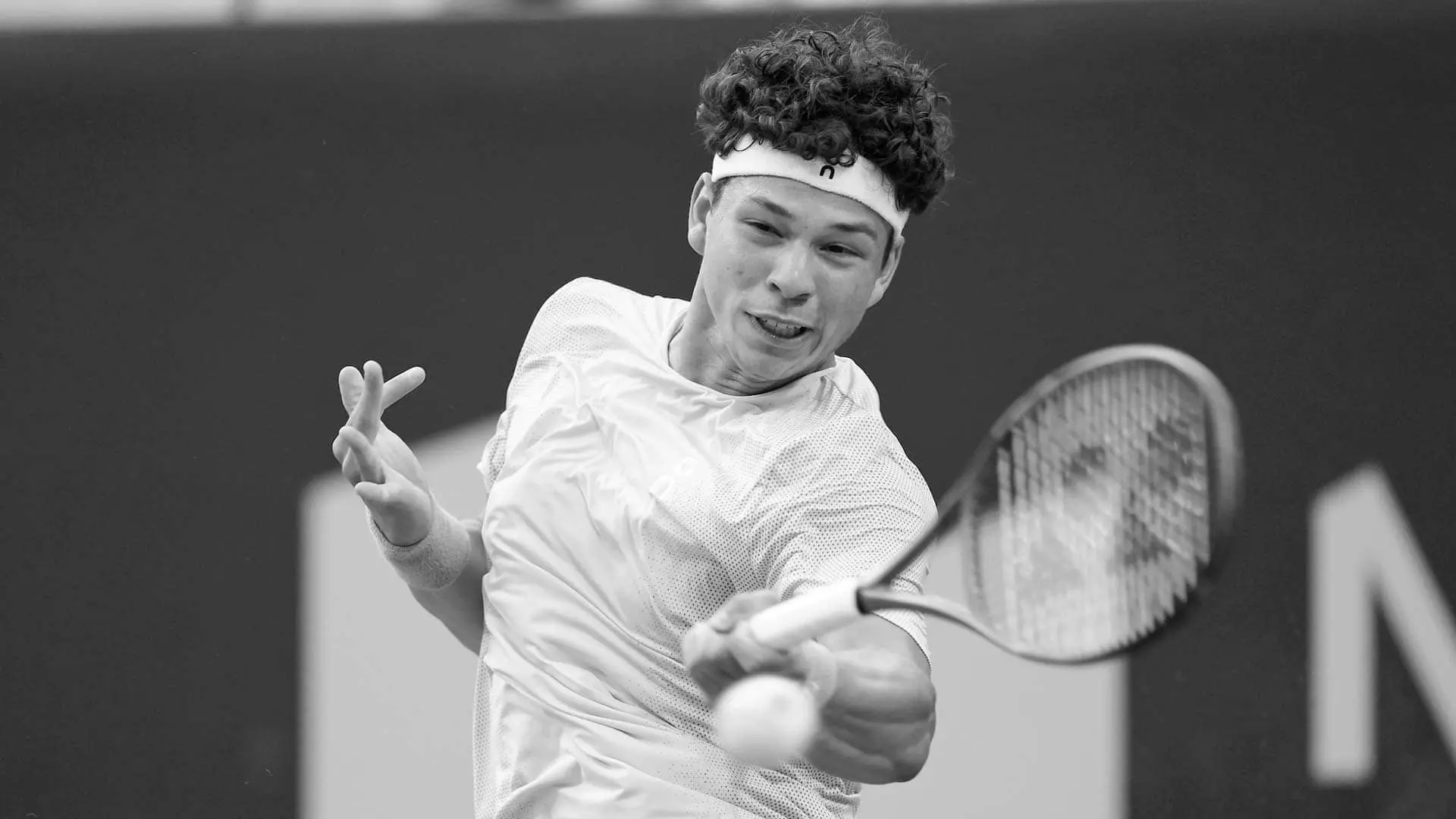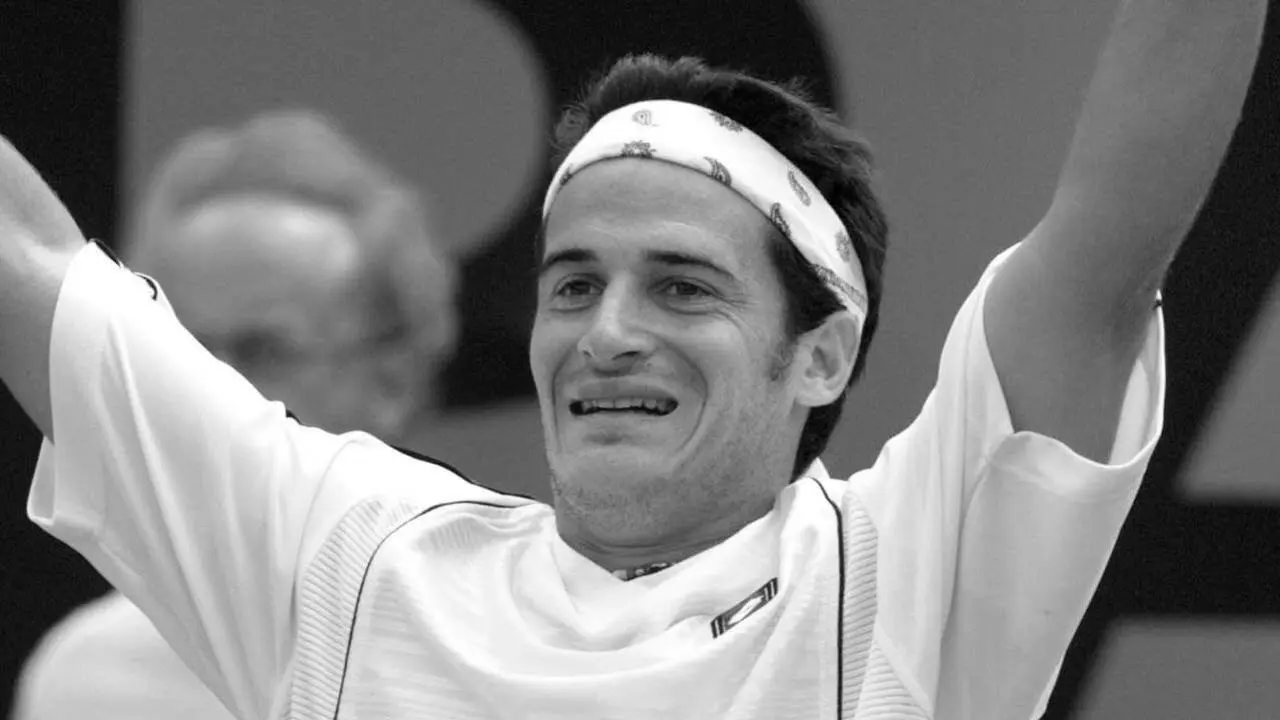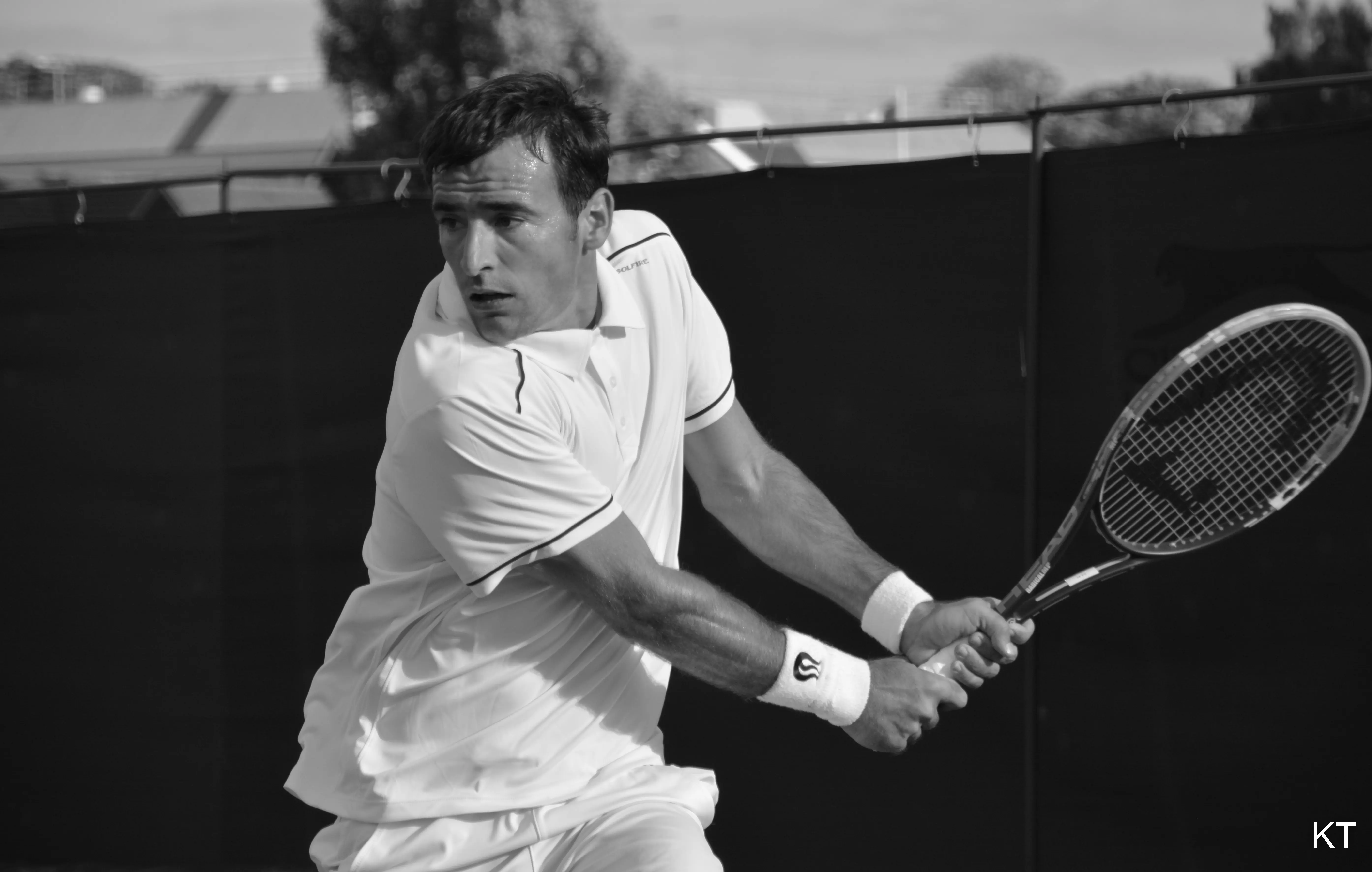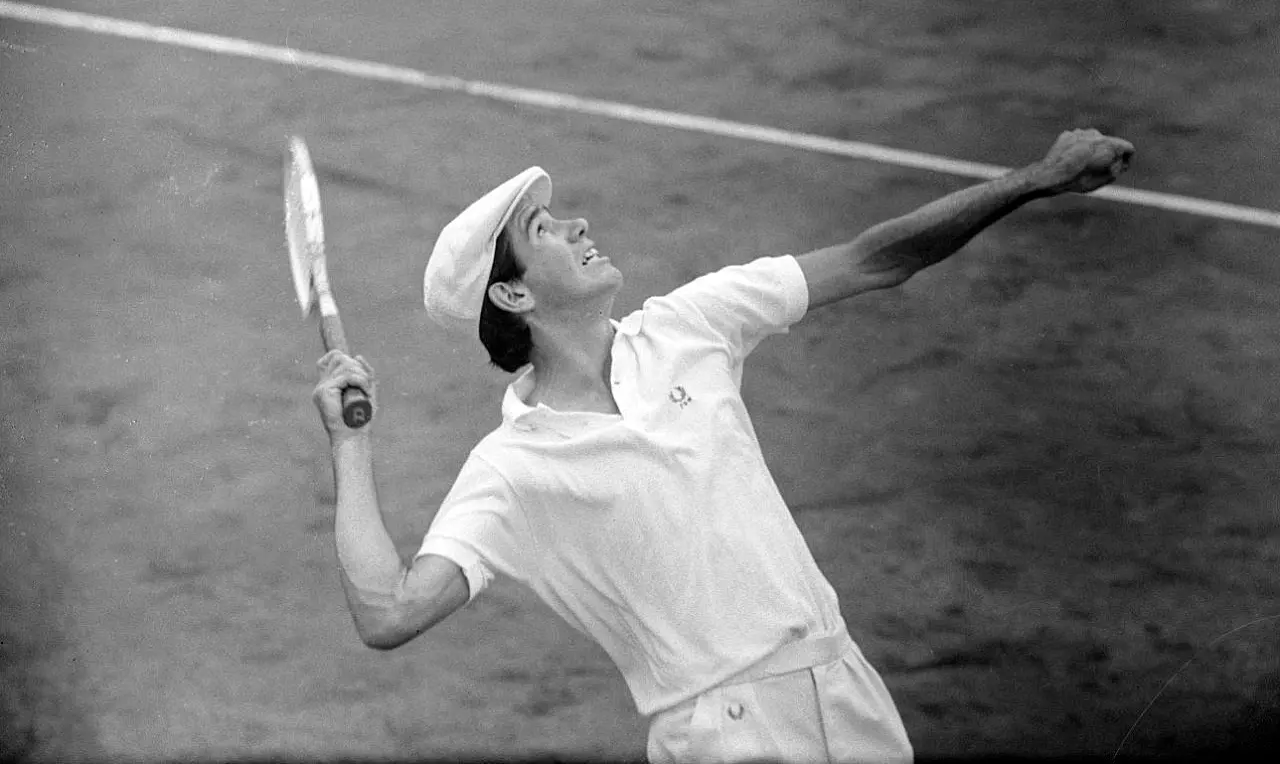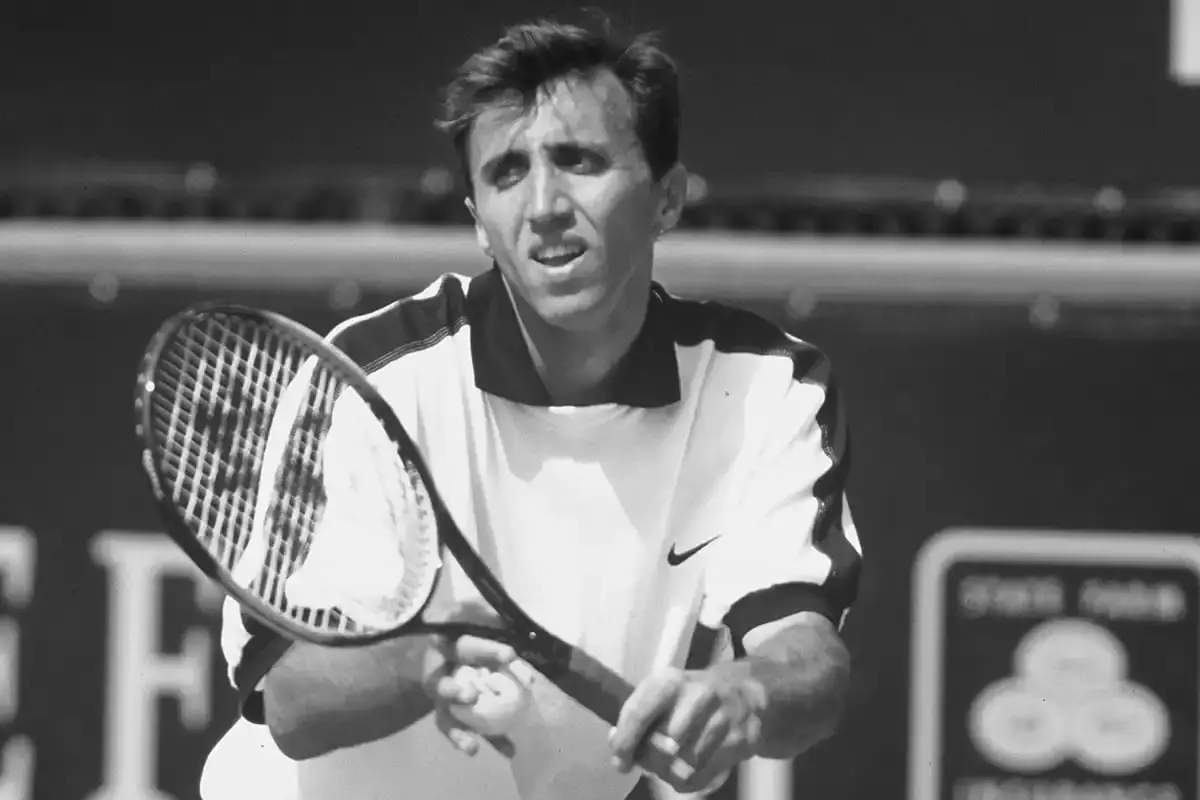
Bruce Manson may not be a household name like Federer or Nadal, but his contributions to tennis in the 1970s and 1980s are worthy of recognition. As an American professional tennis player, Manson made his mark with a combination of skill, determination, and sportsmanship that left a lasting impression on the sport.
In this article, we will delve into Manson’s career, his achievements, and his legacy in the tennis world.
Born on March 20, 1956, in Los Angeles, California, Bruce Manson showed an early interest in tennis. Growing up in Southern California, he was exposed to tennis at a young age, thanks to the region’s vibrant tennis culture. Manson honed his skills on local courts and quickly became known for his powerful serve and precise groundstrokes.
College Tennis Success
Bruce Manson attended the University of Southern California (USC), where he played collegiate tennis. During his time at USC, Manson was instrumental in leading the team to several victories. He was a key player in securing the NCAA team championship titles for the Trojans in 1976 and 1977. His college career laid a strong foundation for his professional endeavors.
After a successful college career, Bruce Manson turned professional in 1977. Over the years, he competed in numerous tournaments and achieved significant milestones. Here are some highlights from his professional career:
Singles Achievements
Bruce Manson’s singles career was marked by several notable performances. He reached his highest singles ranking of World No. 39 in April 1982. His career includes victories over some of the top players of his time, showcasing his ability to compete at the highest level.
One of Manson’s most memorable victories came in 1981, when he defeated John McEnroe in the quarterfinals of the Philadelphia Indoor tournament. This victory was a testament to Manson’s skill and determination on the court.
Doubles Success
In addition to his singles career, Bruce Manson was also a formidable doubles player. He achieved a career-high doubles ranking of World No. 20 in 1981. Manson’s partnership with various players led to several tournament victories, further solidifying his reputation as a versatile and skilled tennis player.
Among his doubles achievements, Manson captured the title at the prestigious Cincinnati Masters in 1981, partnering with Tom Gullikson. This victory was one of the highlights of his doubles career.
Bruce Manson was known for his aggressive playing style, characterized by a powerful serve and strong baseline game. His ability to control rallies with precise groundstrokes and his tactical awareness on the court made him a challenging opponent for many players.
Manson’s serve was a key weapon in his arsenal, often setting him up for commanding positions in rallies. His strategic approach to matches and his ability to adapt to different playing surfaces contributed to his success in both singles and doubles competitions.
Singles Career Stats
- Highest Singles Ranking: World No. 39 (April 1982)
- Singles Titles: 0
- Career Win-Loss Record: 128142
Doubles Career Stats
- Highest Doubles Ranking: World No. 20 (1981)
- Doubles Titles: 3
- Career Win-Loss Record: 138120
While Bruce Manson may not have won Grand Slam titles, his career remains a testament to dedication and perseverance. He was a player who consistently challenged top competitors and contributed to the sport’s growth during his era.
Manson’s legacy extends beyond his on-court achievements. His sportsmanship and professionalism set a standard for future generations of tennis players. He demonstrated that success in tennis is not solely defined by titles but also by the respect and admiration earned from peers and fans alike.
After retiring from professional tennis in the late 1980s, Bruce Manson transitioned to other pursuits. He remained connected to the sport by coaching and mentoring young players. His insights and experiences continue to inspire aspiring tennis players, emphasizing the importance of hard work and dedication.
Manson’s post-tennis career also included involvement in various business ventures, showcasing his versatility and adaptability beyond the tennis court.
Bruce Manson may not be as widely recognized as some of his contemporaries, but his contributions to tennis are undeniable. His career, marked by significant achievements in both singles and doubles, serves as a reminder of the dedication and passion required to excel in professional sports.
For fans of tennis history and those interested in the sport’s evolution, Bruce Manson’s story offers valuable insights into the journey of a talented player who left a lasting impact on the game. His legacy continues to inspire both current and future generations of tennis enthusiasts.