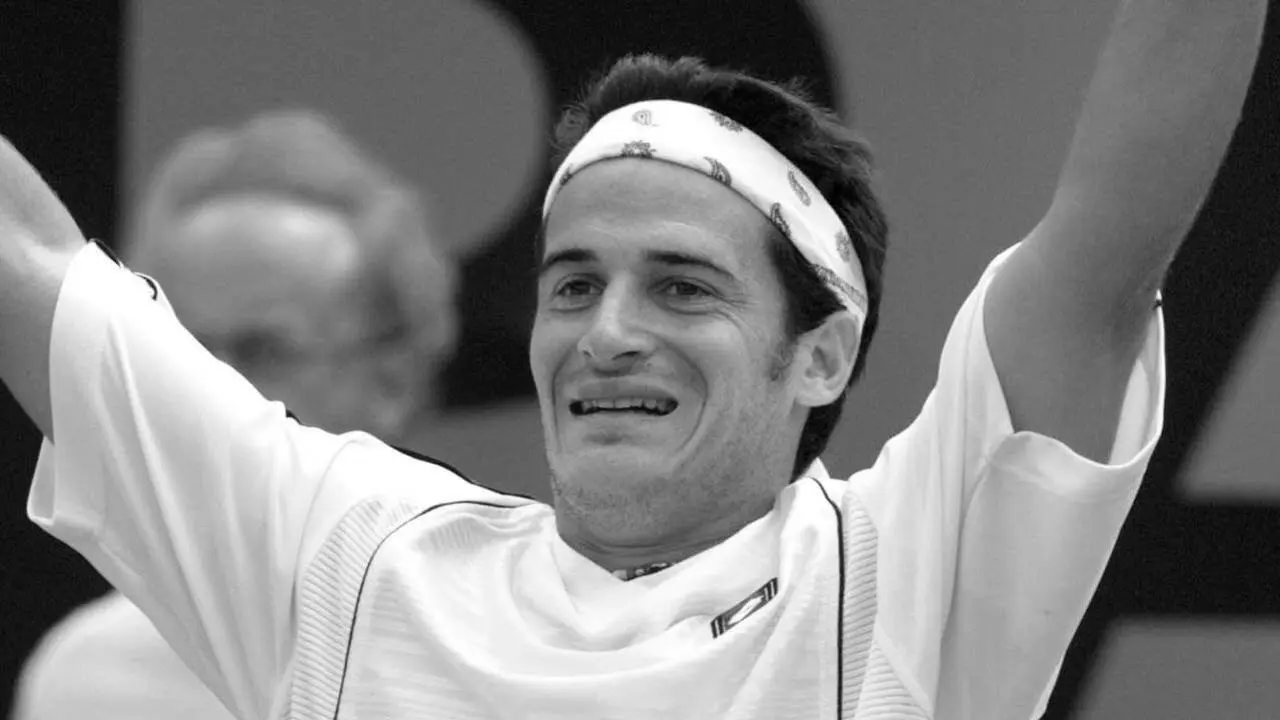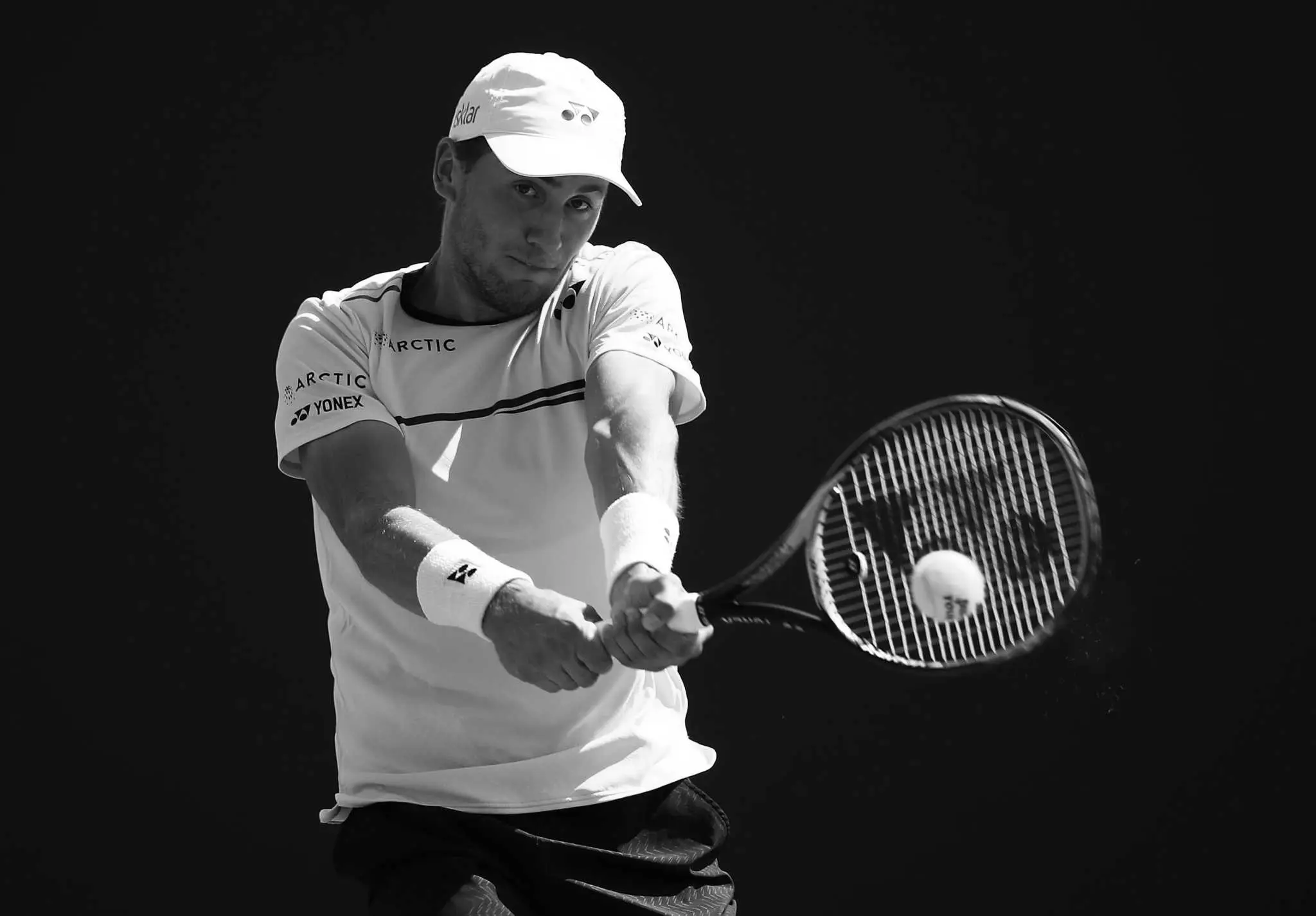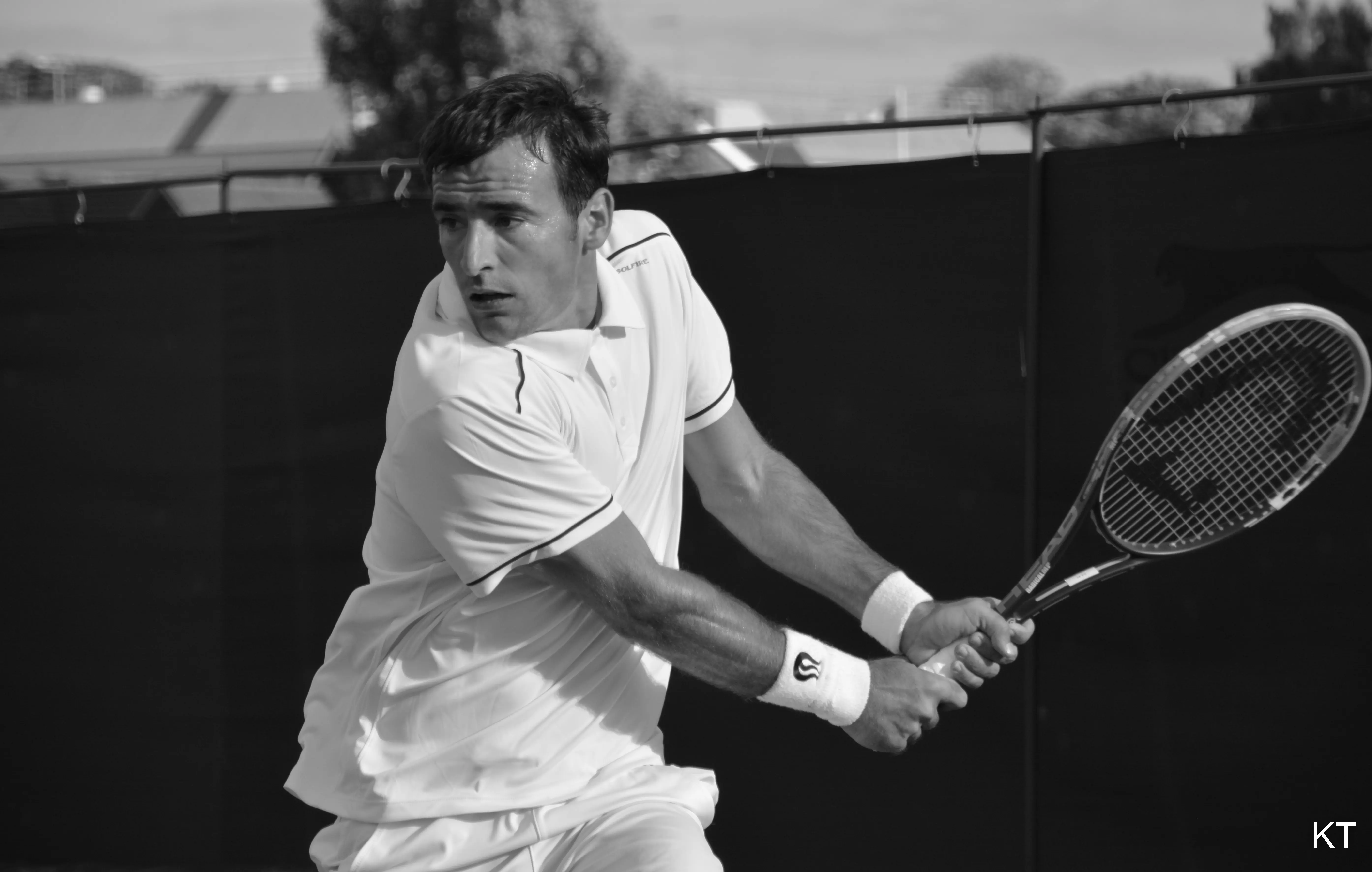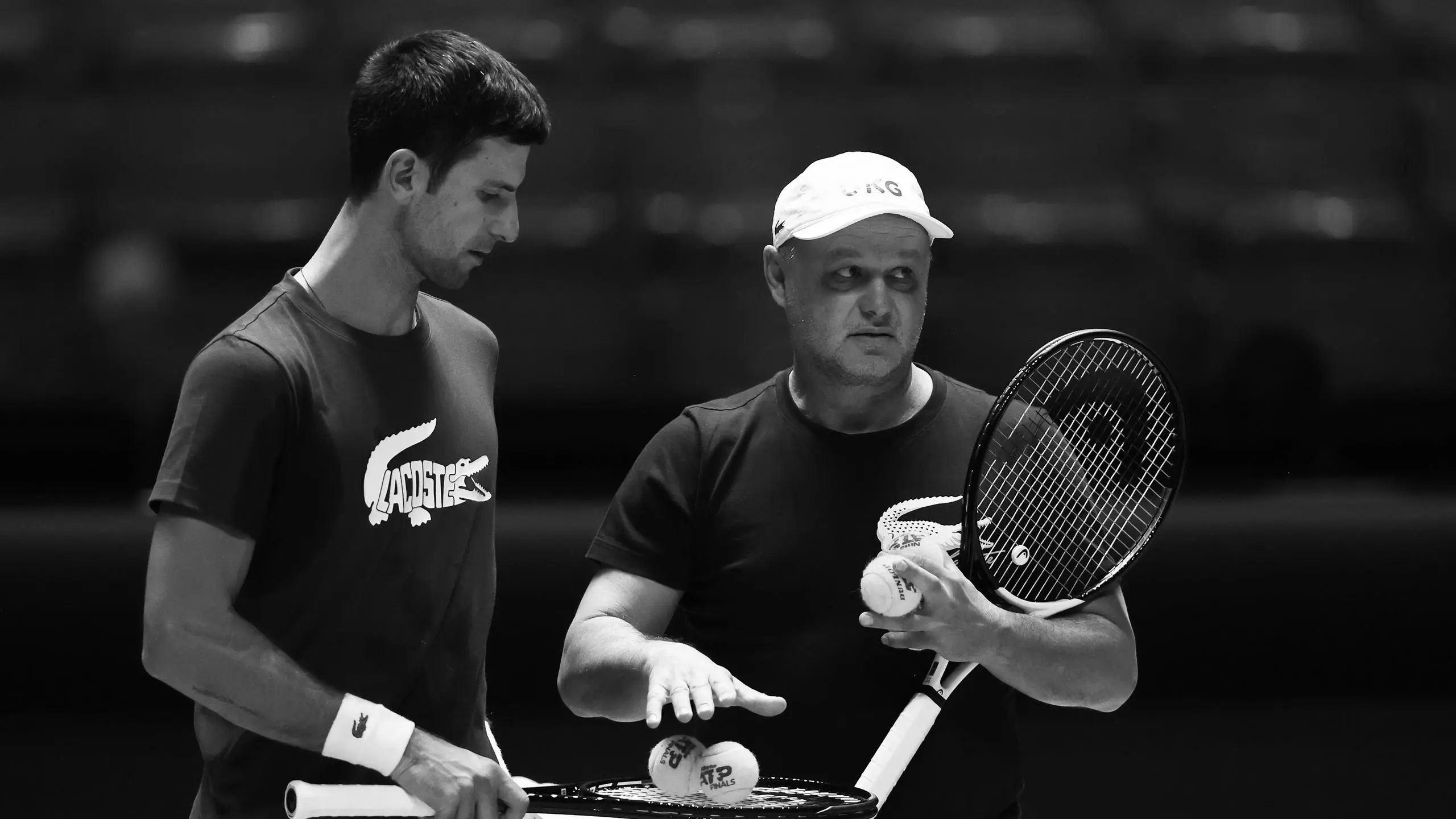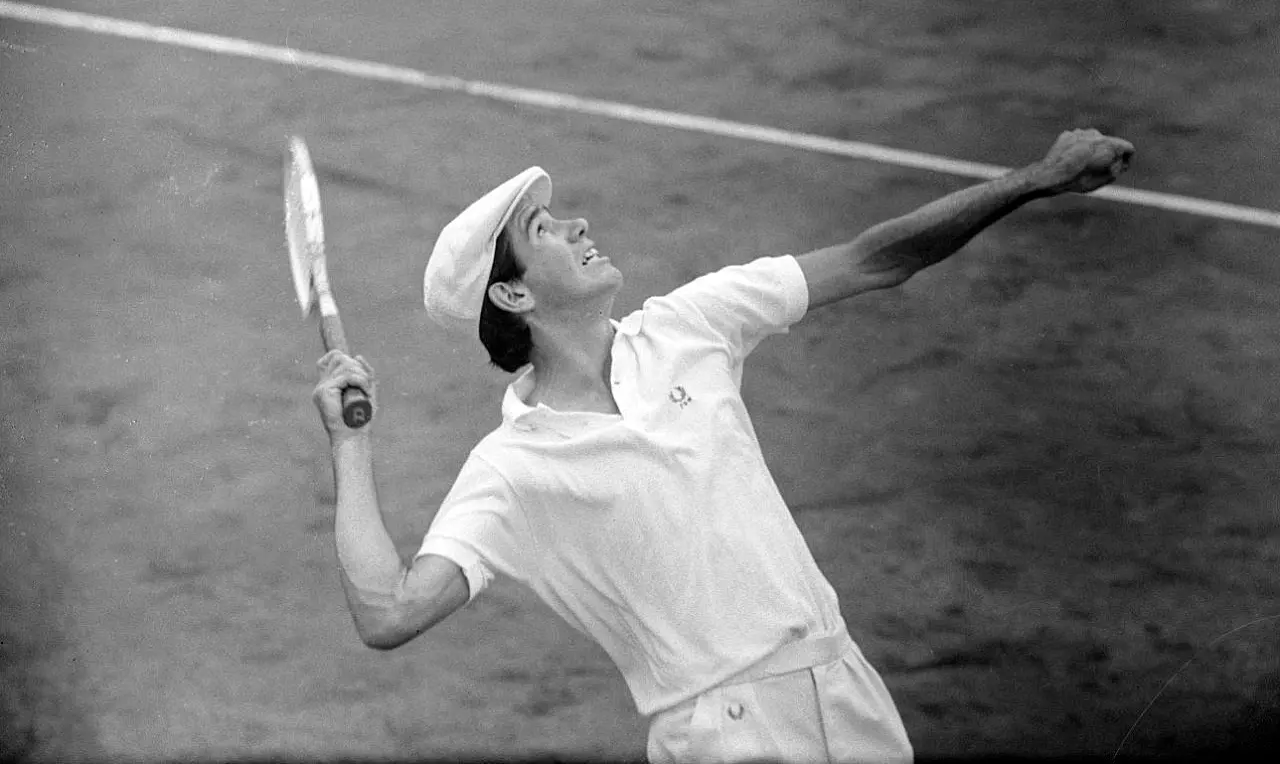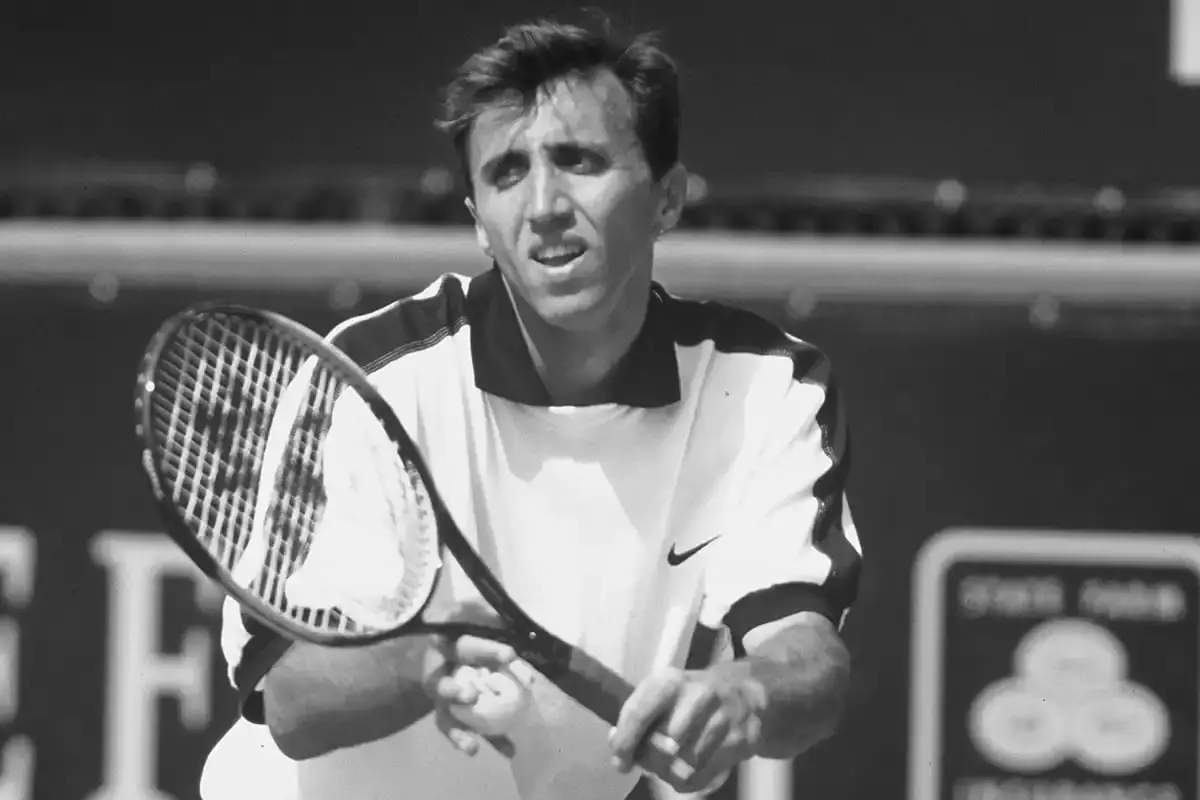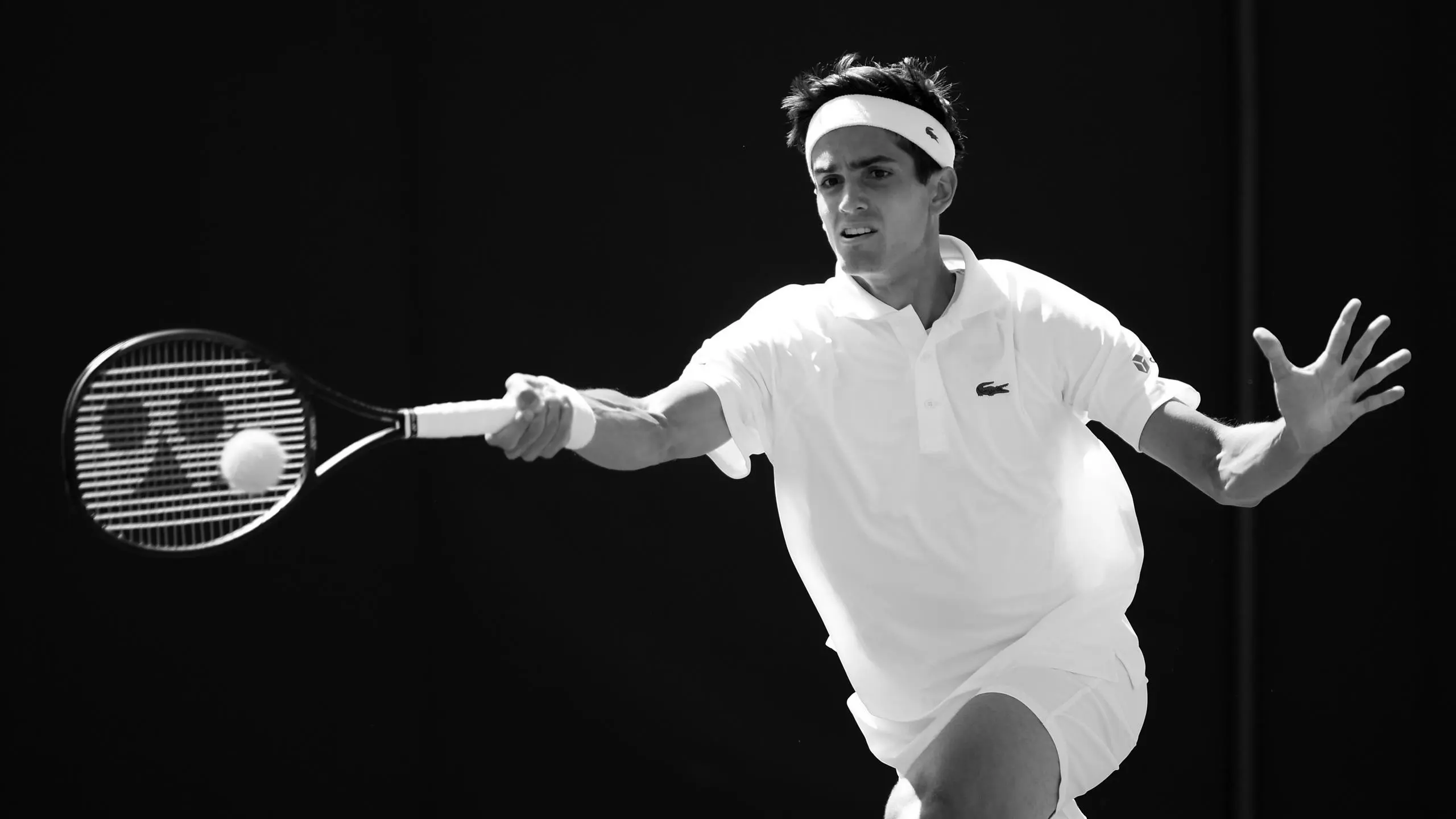
Guillermo Coria, a name that resonates with tennis enthusiasts, is often remembered for his agility, speed, and the impressive baseline play that made him a formidable opponent on the tennis court. Coria’s journey through the world of tennis is nothing short of remarkable, filled with highs and lows, triumphs, and lessons. From his early days in Argentina to his rise as one of the premier clay-court specialists, Coria’s story is a testament to his dedication and passion for the sport. Let’s delve into the life and career of Guillermo Coria, the tennis player who left an indelible mark on the sport.
Born on January 13, 1982, in Rufino, Argentina, Guillermo Coria was introduced to tennis at a young age. His father, Oscar Coria, was a tennis coach, and it was under his guidance that Guillermo first picked up a racket. Growing up in a tennis-centric environment fostered his love for the game and honed his innate talents. The young Coria quickly showed promise, dominating junior circuits with his exceptional skills and competitive spirit. His early accomplishments on the court were a precursor to his future success, setting the foundation for his professional career.
Guillermo Coria’s rise in the tennis world was meteoric. He turned professional in 2000, and by 2003, he was already making headlines. Known for his exceptional speed and solid groundstrokes, Coria was particularly dominant on clay courts. His ability to slide across the clay with ease earned him the nickname “El Mago” or “The Magician.” This moniker was well-deserved, as his performances often left both opponents and spectators in awe of his skills.
Coria’s ascent in the ATP rankings was marked by a series of impressive victories that showcased his talent and tenacity. His breakthrough came when he began consistently defeating top-tier players, quickly establishing himself as a force to be reckoned with. As he gained confidence on the professional circuit, his unique style of play, characterized by strategic finesse and mental toughness, caught the attention of tennis aficionados worldwide. The early 2000s were a period of rapid growth for Coria, as he transitioned from a promising young player to a legitimate title contender.
Key Achievements and Career Highlights
Coria’s career is highlighted by several key achievements that underline his talent and hard work:
- 2003 Hamburg Masters: Coria claimed his first Masters Series title in Hamburg, defeating Agustín Calleri in the final. This victory was a significant milestone, establishing him as a top contender on clay. The Hamburg triumph was more than just a win; it was a statement that Coria was ready to compete with the best, setting the stage for future successes.
- 2004 Monte Carlo Masters: Continuing his success on clay, Coria won the Monte Carlo Masters by defeating Rainer Schüttler. This victory was part of an impressive 31-match winning streak on clay. During this period, Coria’s dominance on the surface was unparalleled, and his tactical prowess was on full display. Each match was a demonstration of his ability to outmaneuver and outthink his opponents, earning him respect and admiration from the tennis community.
- French Open 2004: One of Coria’s most memorable performances came during the 2004 French Open, where he reached the final. Although he did not win, losing to Gastón Gaudio in a grueling five-set match, his performance was a testament to his skill and determination. The final was a dramatic showcase of resilience, with Coria battling through physical and mental challenges, further solidifying his reputation as a fierce competitor.
Career Stats and Legacy
Throughout his career, Guillermo Coria amassed a record that speaks volumes of his talent:
- Singles Titles: 9 ATP singles titles, predominantly on clay. Each title was a reflection of his mastery over the clay surface, where his agility and strategic play shone the brightest.
- Highest Ranking: Coria reached a career-high ATP singles ranking of No. 3 in May 2004. This ranking was a culmination of his hard work and consistent performances against some of the best players in the world.
- Win-Loss Record: An impressive win-loss record on clay, boasting a 71% win rate on the surface. This statistic underscores his effectiveness and dominance on clay, a surface that he seemed to understand intuitively.
Coria’s legacy is defined not only by his achievements but also by his impact on the game. His style of play, characterized by incredible baseline rallies and defensive prowess, influenced a generation of players. His approach to the game, focusing on strategic placement and patience, inspired young athletes to emulate his techniques. Even after his retirement, Coria’s influence can be seen in the play styles of many emerging talents who grew up watching “El Mago” in action.
Every athlete faces challenges, and Guillermo Coria’s career was no exception. One of the most significant hurdles he faced was the controversy surrounding a doping suspension in 2001. Although he maintained his innocence, the suspension was a setback that he had to overcome. The incident was a testing time for Coria, challenging his resolve and forcing him to prove his mettle once more upon his return to the sport.
Injuries also played a part in Coria’s career. Persistent shoulder issues hampered his performance, leading to a decline in his rankings and, ultimately, his early retirement from professional tennis in 2009. Despite these setbacks, Coria’s determination to compete at the highest level remained unwavering. His ability to bounce back from adversity became a defining aspect of his career, showcasing his mental strength and commitment to the sport.
After retiring, Guillermo Coria transitioned to a new phase in his life. He has remained connected to the sport, often participating in exhibition matches and offering his insights as a commentator and analyst. His analytical skills and deep understanding of the game have made him a respected voice in tennis circles. Coria has also expressed interest in coaching, aiming to nurture the next generation of tennis talent. His desire to give back to the sport reflects his enduring passion for tennis and his commitment to fostering new talent.
In addition to his on-court contributions, Coria has been involved in several philanthropic initiatives, using his platform to support various causes. His post-retirement endeavors have allowed him to remain an influential figure in the tennis world, ensuring that his legacy continues to inspire both current players and fans alike.
Coria’s influence extends beyond his on-court achievements. As a player from Argentina, he contributed to the rich tennis legacy of the country, inspiring young players to pursue the sport. His matches, particularly on clay, are often cited as examples of strategic and technical excellence. Coria’s success on the international stage brought attention to Argentine tennis, encouraging investment in local training programs and infrastructure.
The Legacy of “El Mago”
Guillermo Coria’s legacy as “El Mago” is a testament to his magical play style. His ability to control the game from the baseline, coupled with his tactical acumen, set him apart as one of the best clay-court players of his time. Despite the challenges he faced, his passion for the game and his competitive spirit left a lasting impact. His legacy is one of perseverance and excellence, inspiring countless young athletes to pursue their dreams with the same fervor and dedication.
Coria’s influence is also evident in the way he approached the mental aspects of tennis, emphasizing the importance of strategy and psychological resilience. His career serves as a blueprint for aspiring players, demonstrating that success is not only about physical prowess but also about mental fortitude and strategic thinking.
Guillermo Coria, the tennis player, remains a celebrated figure in tennis history. His career, marked by significant achievements and challenges, showcases the resilience and talent required to excel at the highest levels of the sport. As we reflect on his journey, Coria’s story serves as an inspiration for aspiring tennis players and a reminder of the enduring legacy of tennis legends. His contributions to the sport extend beyond his playing days, as he continues to influence the game through his post-retirement roles.
Coria’s journey through the highs and lows of professional tennis underscores the importance of perseverance and dedication. Whether on the court or in his post-retirement endeavors, Guillermo Coria continues to contribute to the sport he loves, ensuring that the magic of “El Mago” lives on for future generations to admire and emulate. His story is a testament to the power of passion and determination in overcoming adversity and achieving greatness.