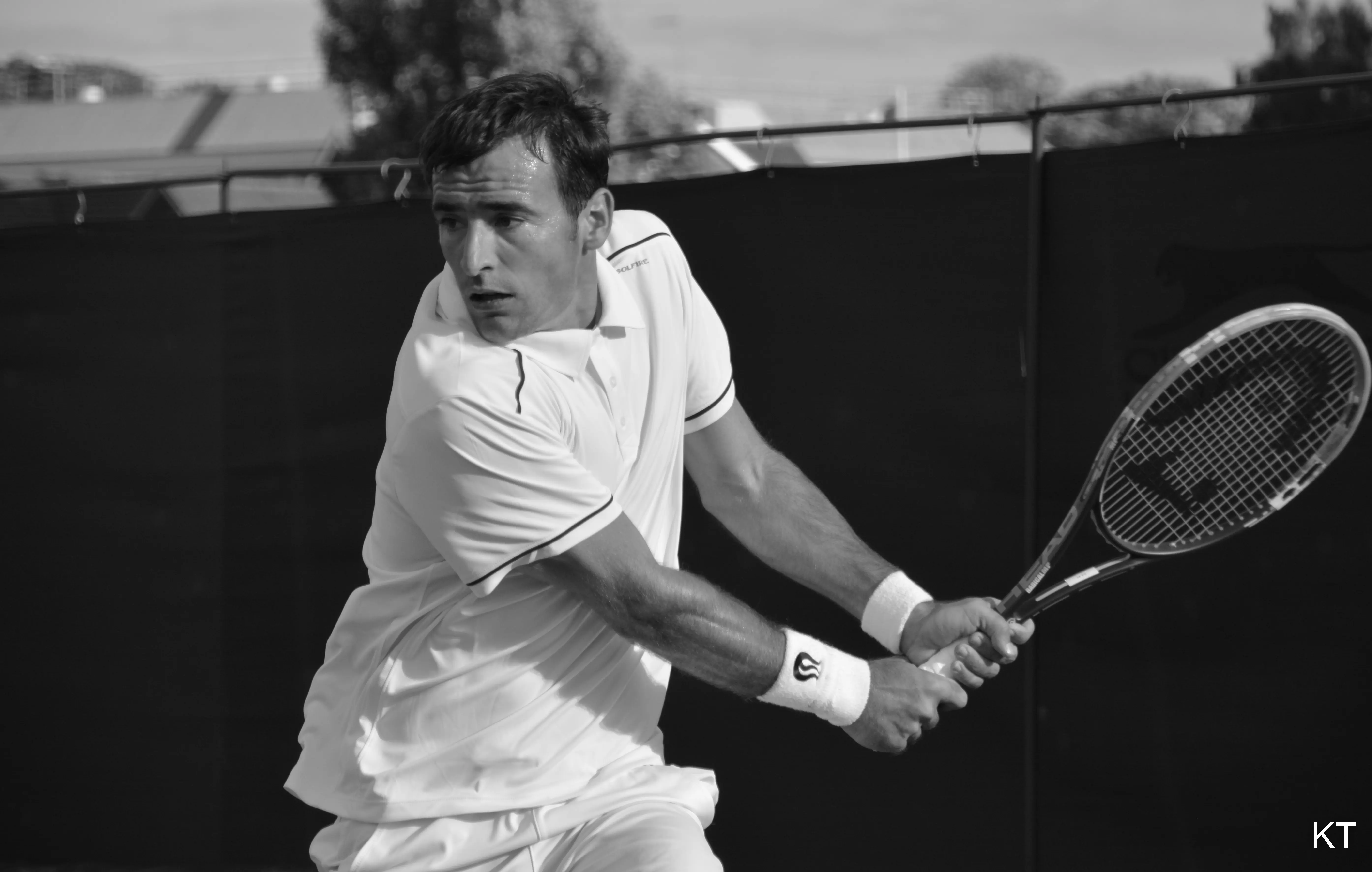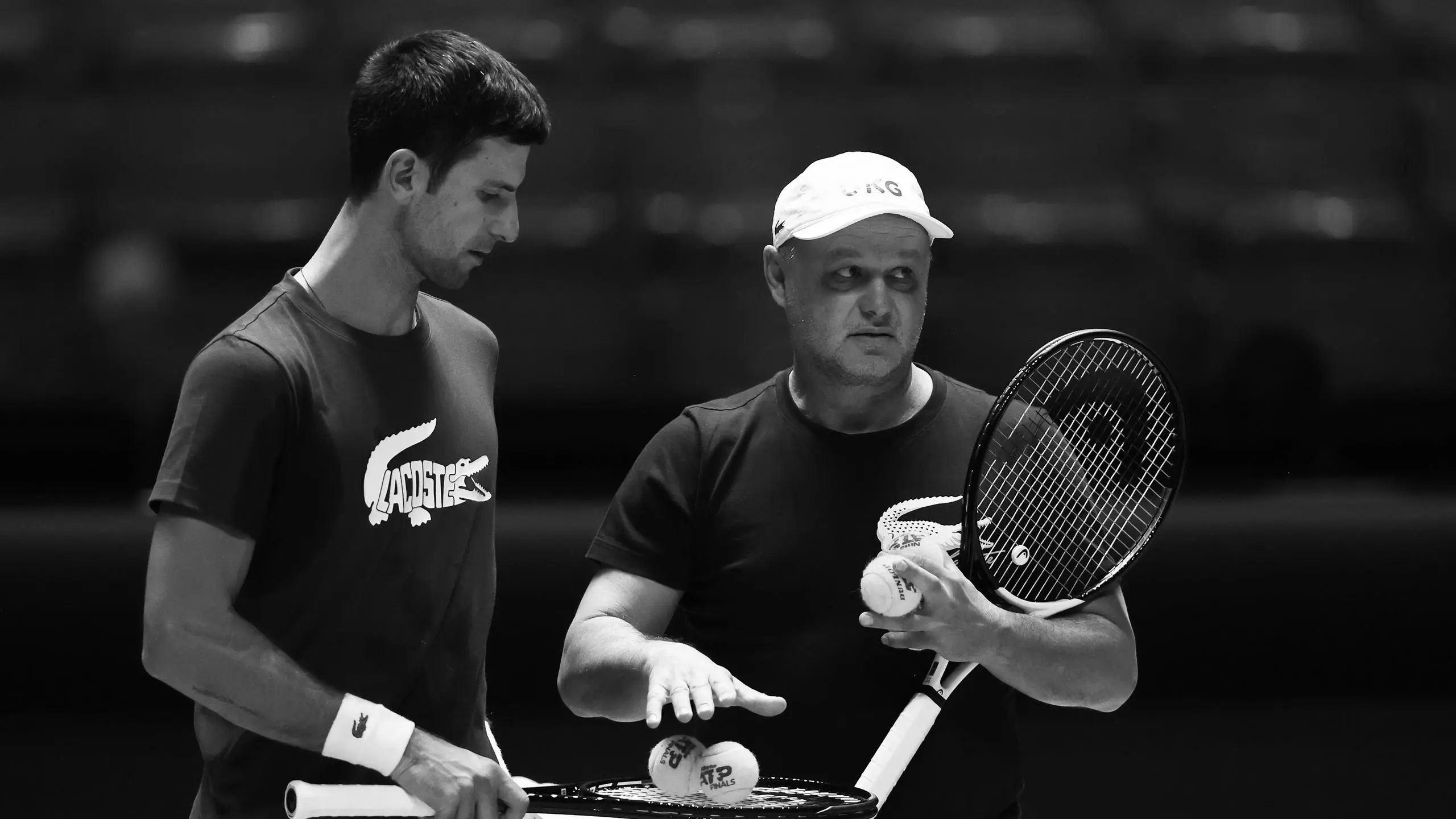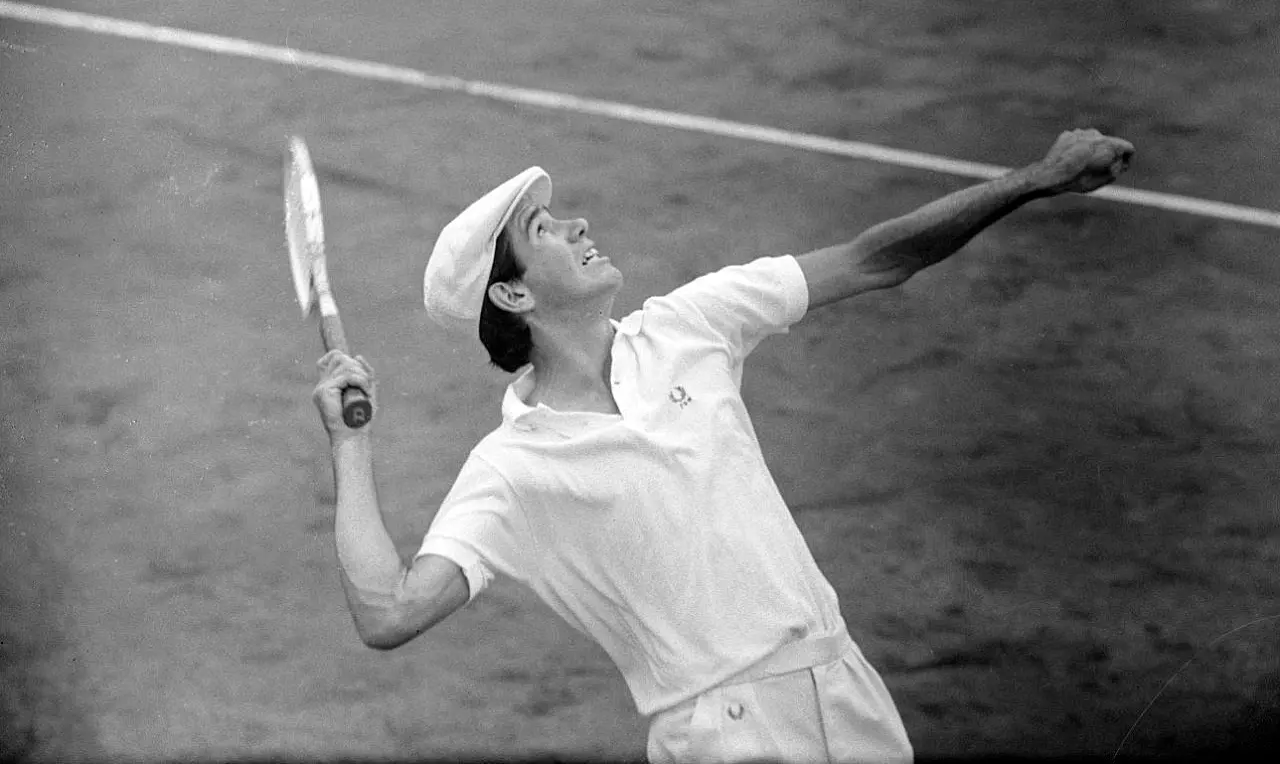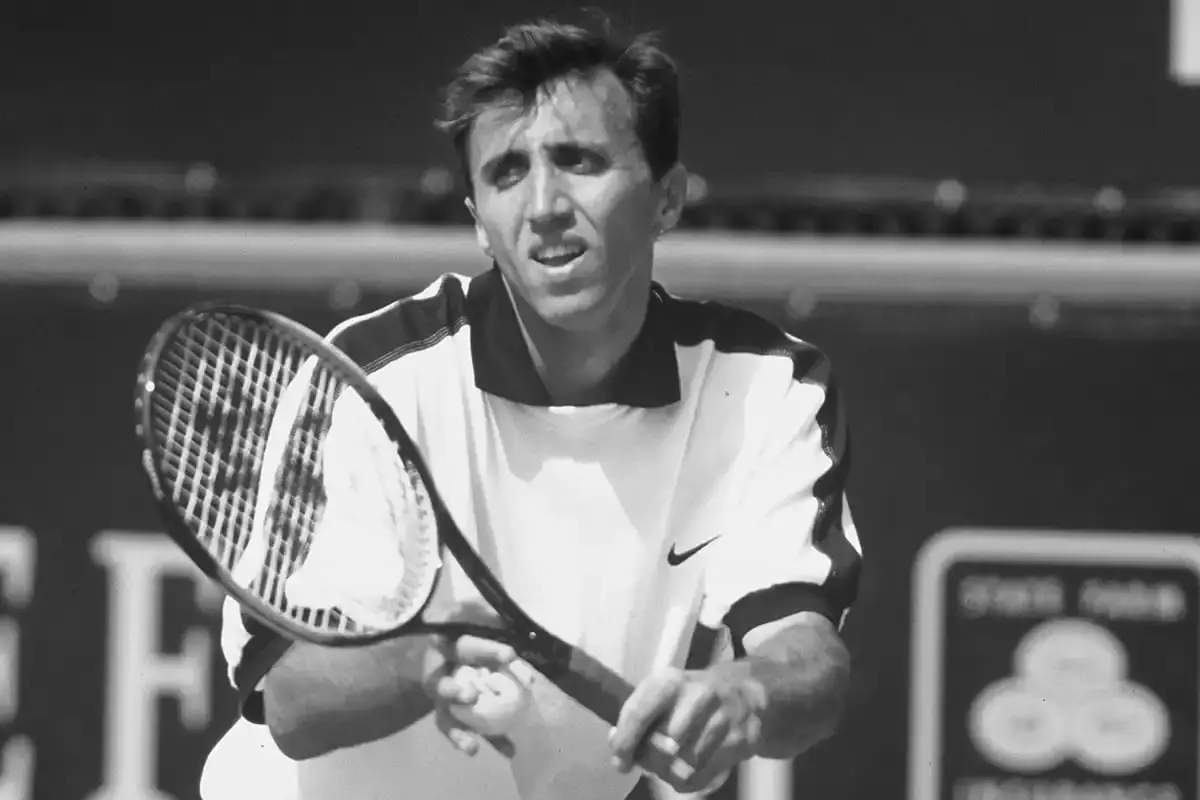
Magnus Norman may not be a household name like Roger Federer or Rafael Nadal, but his impact on the tennis world is undeniable. This Swedish tennis player, known for his tenacity and skill, has left a lasting legacy both as a player and as a coach. In this article, we’ll delve into the career of Magnus Norman, explore his achievements on the court, and examine his transition into a successful coaching career.
Magnus Norman was born on May 30, 1976, in Filipstad, Sweden. Like many great athletes, his journey into the world of tennis began at a young age. Growing up in Sweden, a country with a rich history in tennis, Norman was inspired by legendary players like Björn Borg and Stefan Edberg. He picked up a racket as a child and quickly showed promise as a budding tennis star.
Early Career and Breakthrough
Norman turned professional in 1995, and it didn’t take long for him to make a mark on the ATP Tour. His playing style, characterized by powerful groundstrokes and exceptional footwork, made him a formidable opponent. By 1999, Norman had established himself as one of the top players in the world.
In 2000, Norman reached the pinnacle of his playing career. He achieved a career-high ATP singles ranking of World No. 2, a remarkable feat for any tennis player. That year, Norman also reached the final of the French Open, showcasing his prowess on clay courts. Though he fell short of winning the title, his performance was a testament to his skill and determination.
Over the course of his career, Magnus Norman compiled an impressive record. He won 12 ATP singles titles and 1 ATP doubles title. His consistency and competitiveness on the court earned him a reputation as a player who could challenge the best in the game. Norman’s career stats include victories over some of the biggest names in tennis, further solidifying his legacy.
Injury Struggles and Retirement
Unfortunately, Norman’s career was plagued by injuries. Persistent hip problems forced him to undergo multiple surgeries, and these setbacks ultimately led to his retirement from professional tennis in 2004. Despite the challenges he faced, Norman’s impact on the sport was far from over.
Embracing a New Role
After retiring as a player, Magnus Norman transitioned into coaching. His deep understanding of the game and his experience on the professional circuit made him a valuable asset to aspiring players. Norman’s coaching philosophy emphasized discipline, mental toughness, and strategic thinking.
Coaching Success with Stan Wawrinka
Norman’s coaching career reached new heights when he began working with Swiss tennis player Stan Wawrinka in 2013. Under Norman’s guidance, Wawrinka achieved significant success, including winning three Grand Slam titles: the Australian Open in 2014, the French Open in 2015, and the US Open in 2016. Norman’s influence was instrumental in elevating Wawrinka’s game to new levels.
Impact as a Player and Coach
Magnus Norman’s contributions to tennis extend beyond his achievements on the court. His dedication to the sport and his ability to inspire others have left an indelible mark. As a player, Norman’s career stats speak for themselves, showcasing his talent and determination. As a coach, his work with Wawrinka and other players has demonstrated his ability to nurture talent and guide players to success.
Recognition and Respect
Norman’s impact on tennis has not gone unnoticed. He is widely respected within the tennis community for his knowledge and passion for the game. His transition from a successful player to a top-tier coach is a testament to his adaptability and commitment to tennis.
Magnus Norman’s journey from a promising young player in Sweden to a respected figure in the tennis world is a story of perseverance and dedication. His achievements on the court and his success as a coach have solidified his legacy in the sport. Whether as a player or a mentor, Norman’s influence continues to be felt, inspiring future generations of tennis enthusiasts.
In the ever-evolving world of tennis, Magnus Norman’s story serves as a reminder of the power of determination and the importance of adapting to new challenges. His legacy as both a player and a coach will undoubtedly continue to inspire and shape the future of tennis for years to come.