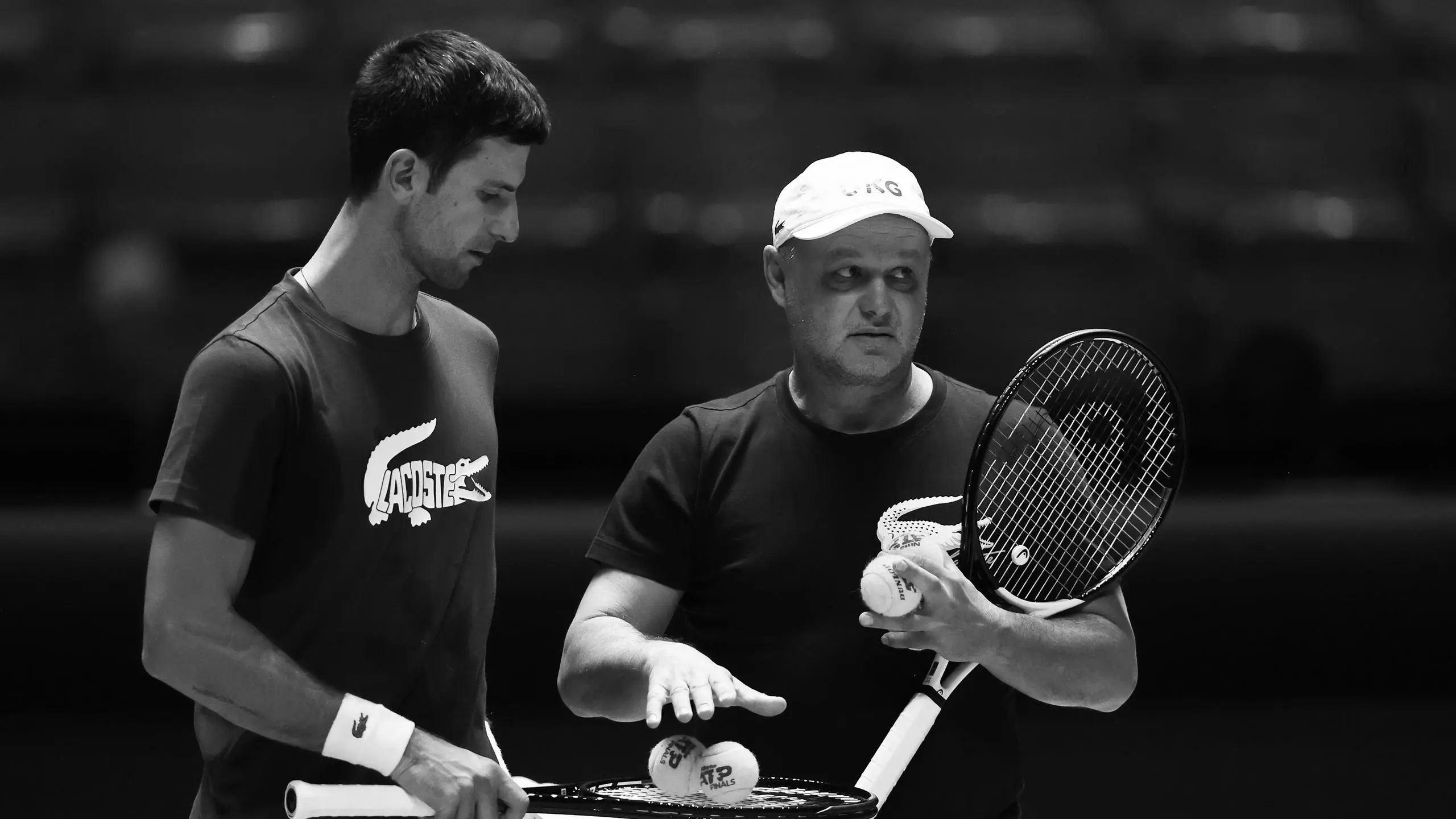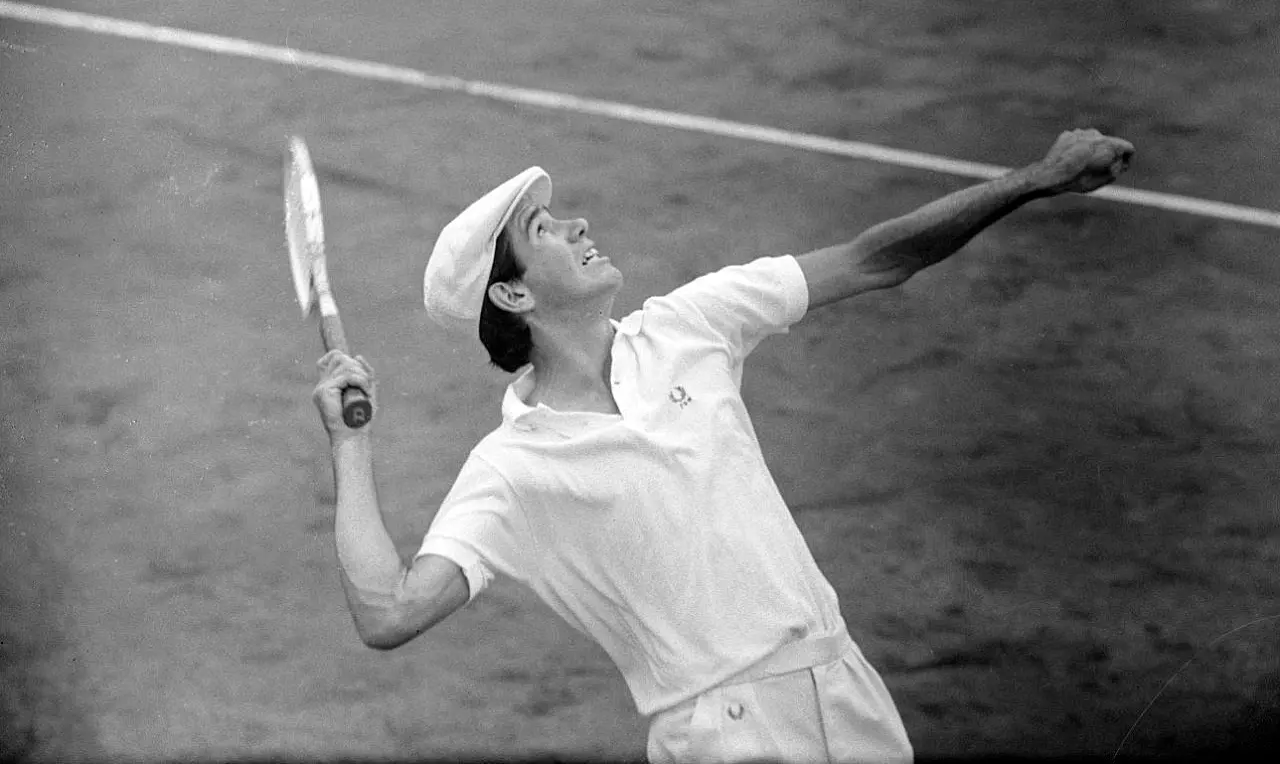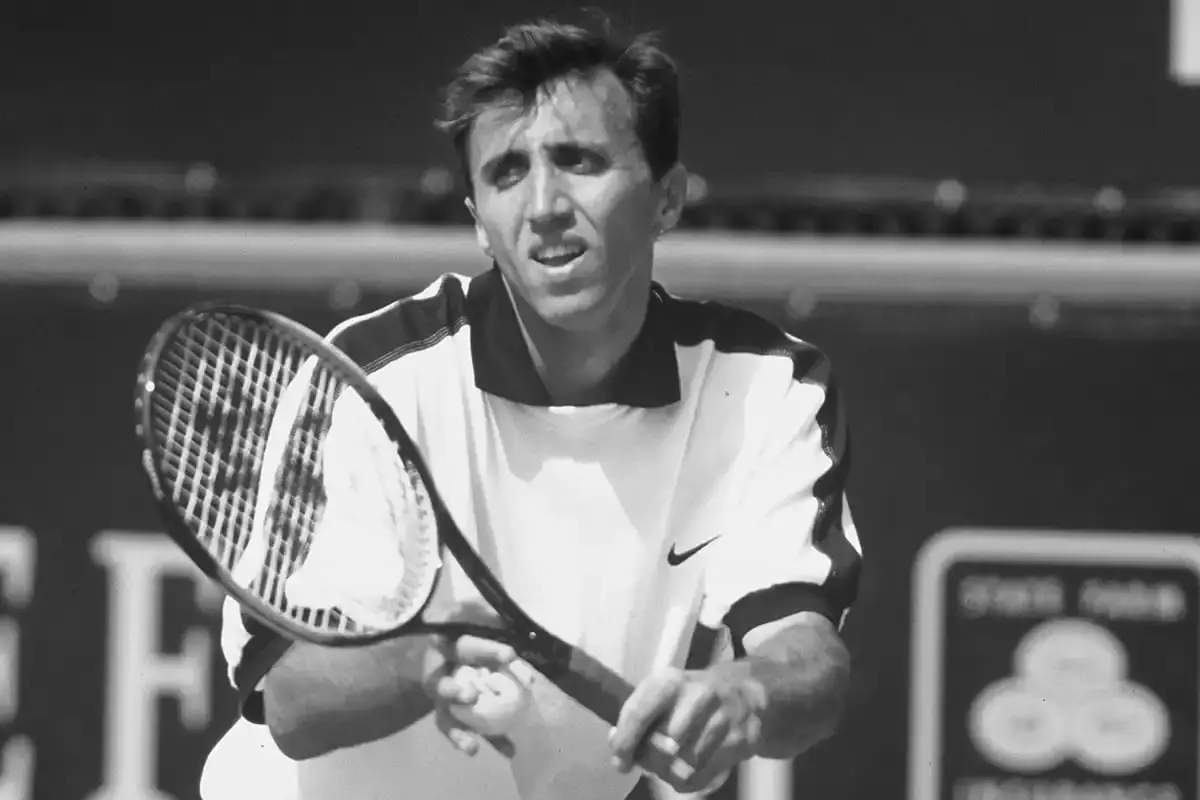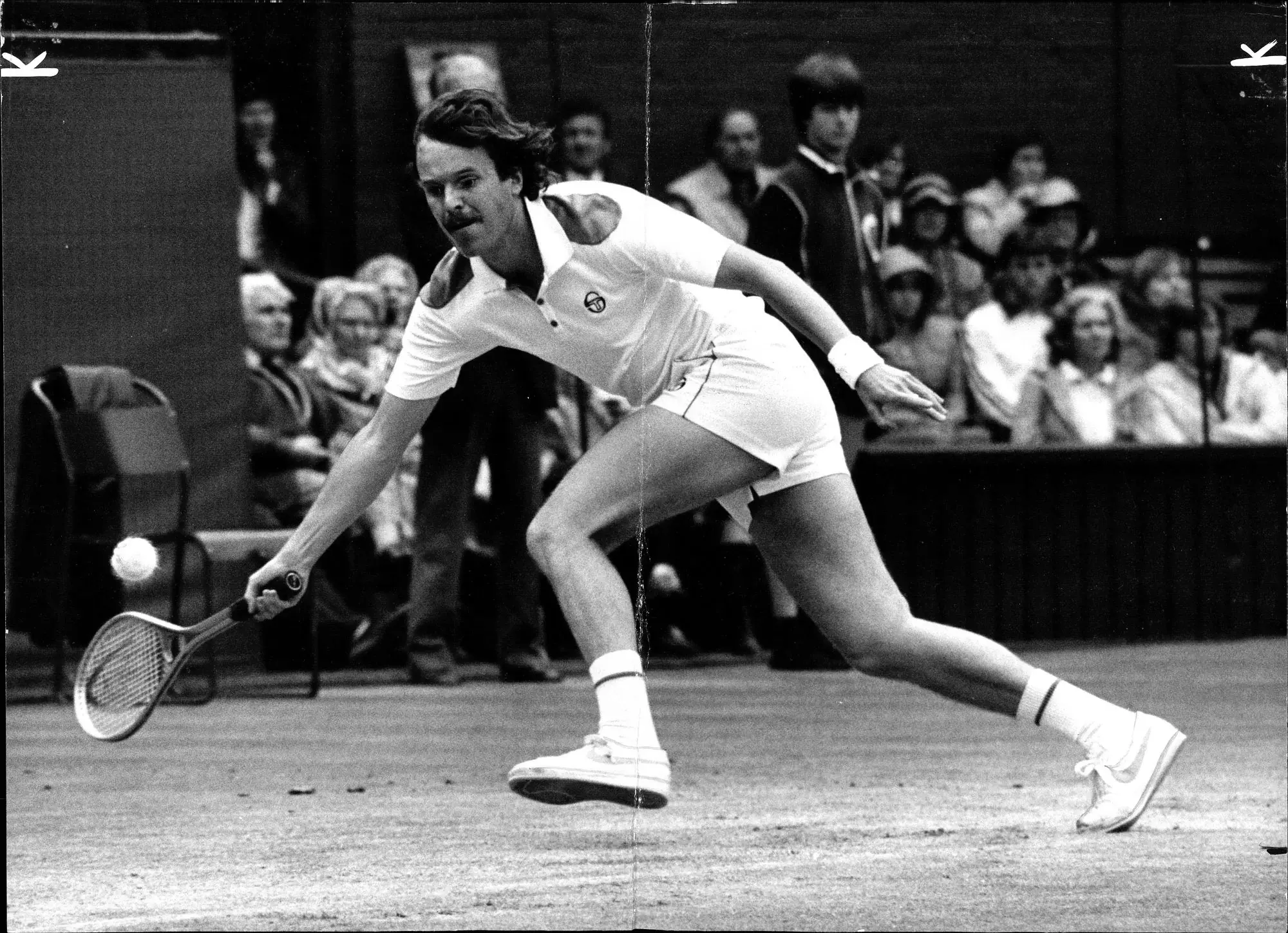
Wojtek Fibak is a name that resonates with tennis enthusiasts around the world. Known for his strategic gameplay and finesse on the court, Fibak has made significant contributions to the world of tennis. This article delves into his career, achievements, and lasting impact on the sport. Whether you’re a long-time fan or new to tennis, understanding Fibak’s journey offers valuable insights into the game’s history. His story not only highlights the evolution of tennis but also underscores the importance of dedication, resilience, and strategic thinking in sports.
Fibak’s journey is one that transcends mere athletic prowess; it’s about the influence of a player who understood the game deeply and played it with a unique blend of skill and intelligence. Through his career, Fibak showed that tennis is as much a mental challenge as it is a physical one. His ability to analyze opponents and devise strategies to counter them made him a formidable force on the court. This article aims to capture the essence of Fibak’s career and his enduring legacy in the world of tennis.
Wojtek Fibak was born on August 30, 1952, in Pozna?, Poland. From a young age, Fibak showed a keen interest in sports, particularly tennis. Encouraged by his parents, he began playing tennis at local clubs, quickly demonstrating his talent and passion for the game. His early exposure to tennis laid the foundation for a career that would eventually place him among the sport’s elite.
Growing up in post-war Poland, Fibak’s opportunities were limited, but his determination was boundless. His family’s support played a critical role in nurturing his talent, enabling him to compete in regional tournaments where he honed his skills against older and more experienced players. These formative years were crucial, as they instilled in Fibak a sense of discipline and competitiveness that would serve him well throughout his career.
Fibak’s early success in junior tournaments paved the way for his entry into professional tennis. By the early 1970s, Fibak had begun to make a name for himself on the international tennis circuit. His agility, strategic thinking, and powerful backhand became his trademarks, helping him secure numerous victories against top-ranked players. His rise was characterized by a series of impressive performances that caught the attention of tennis aficionados worldwide.
As Fibak transitioned from the junior circuits to professional tennis, he faced new challenges that tested his resolve and adaptability. Competing against seasoned professionals, he quickly learned that mental fortitude was as important as physical skill. His ability to remain calm under pressure and his strategic approach to matches distinguished him from his peers, earning him respect and admiration from both fans and fellow players.
Throughout his career, Wojtek Fibak amassed an impressive list of achievements. He reached a career-high singles ranking of World No. 10, a testament to his skill and dedication. Fibak’s career stats reflect his consistent performance in both singles and doubles matches. His success in the 1970s and 1980s marked him as one of the era’s premier players, known for his ability to adapt and excel in different formats of the game.
Fibak’s career was punctuated by victories that highlighted his versatility and competitive spirit. He was not just a player who relied on physical prowess; his matches were often a showcase of tactical brilliance. He understood the nuances of the game, which allowed him to craft strategies that exploited his opponents’ weaknesses. This intellectual approach to tennis set him apart and contributed to his lasting legacy.
In singles, Fibak won 15 ATP titles. His most notable victory came at the 1976 WCT Finals, where he defeated some of the top players of the time. This victory solidified his reputation as one of the leading tennis players of his era. His success in singles was a result of his relentless pursuit of excellence and his ability to continuously refine his game.
The 1976 WCT Finals were a turning point in Fibak’s career, showcasing his ability to compete at the highest level. The tournament was a testament to his skill and determination, as he faced off against and triumphed over players who were considered the best in the world. This victory not only boosted his confidence but also established him as a serious contender on the global stage.
Fibak also excelled in doubles, where he formed a formidable partnership with Australian tennis player Kim Warwick. Together, they won numerous ATP titles, showcasing their exceptional teamwork and understanding on the court. Fibak’s doubles career was marked by 52 ATP titles, highlighting his versatility and adaptability in different formats of the game. His ability to switch seamlessly between singles and doubles was a rare talent that added to his legend.
The partnership between Fibak and Warwick was one of the most successful in tennis history, characterized by their complementary playing styles and mutual understanding. Their collaboration was a masterclass in doubles strategy, with both players bringing unique strengths to the partnership. This success in doubles further cemented Fibak’s status as a versatile and accomplished player, capable of excelling in various competitive environments.
Fibak was known for his ability to thrive under pressure, often delivering outstanding performances in high-stakes matches. One of his most memorable matches occurred at the 1978 US Open, where he reached the semifinals after defeating several top-seeded players. This performance was a testament to his tenacity and skill, as he navigated a challenging draw to reach the latter stages of the tournament.
The 1978 US Open was a defining moment in Fibak’s career, showcasing his ability to compete against the best in the world. His journey to the semifinals was marked by a series of hard-fought victories, each demonstrating his strategic acumen and competitive spirit. These memorable matches are a testament to his legacy, as they continue to inspire future generations of players.
As of 2015, Wojtek Fibak remained an influential figure in the tennis world. Although retired from professional play, he continued to contribute to the sport through coaching and mentoring young talents. Fibak’s insights and experience have helped nurture the next generation of tennis players, ensuring his legacy lives on. His influence extends beyond the court, as he shares his knowledge and passion for the game with aspiring athletes.
Fibak’s post-retirement endeavors reflect his commitment to the sport and his desire to give back to the tennis community. By mentoring young players, he has played a pivotal role in shaping the future of tennis, imparting valuable lessons that go beyond technique and tactics. His efforts in coaching have been instrumental in developing the skills and confidence of many young players, guiding them on their journey to professional success.
Fibak’s impact extends beyond his playing career. He has been involved in various business ventures, including art dealing and real estate, showcasing his entrepreneurial spirit. Additionally, he has been active in promoting tennis in Poland, working to develop the sport at the grassroots level. His efforts have been crucial in fostering a new generation of Polish tennis players who aspire to reach the heights he achieved.
His business acumen and passion for art have allowed Fibak to diversify his interests, demonstrating that his talents extend far beyond the tennis court. His involvement in promoting tennis in Poland has had a lasting impact, as he has worked tirelessly to improve facilities and opportunities for young players. This dedication to nurturing talent reflects his deep commitment to the sport and his desire to see tennis flourish in his home country.
Wojtek Fibak’s legacy in tennis is defined by his exceptional skills and sportsmanship. His career inspired many young players, particularly in Poland, to pursue tennis professionally. Fibak’s influence is evident in the success of Polish tennis players who followed in his footsteps, including Agnieszka Radwa?ska and Jerzy Janowicz. His legacy is not just about his achievements but also about the pathway he created for others to follow.
Fibak’s impact on tennis is multifaceted, encompassing his contributions as a player, mentor, and ambassador for the sport. His career has been a source of inspiration for countless players who admire his dedication and passion. By setting a standard of excellence, Fibak has left an indelible mark on the sport, influencing how it is played and perceived in Poland and beyond.
An Inspiration for Future Generations
Fibak’s journey from a young tennis enthusiast in Pozna? to a world-renowned player serves as a source of inspiration for aspiring athletes. His dedication, perseverance, and passion for tennis are qualities that continue to resonate with players and fans alike. His story is a powerful reminder of what can be achieved through hard work and a relentless pursuit of one’s dreams.
For future generations, Fibak’s career serves as a blueprint for success, illustrating the importance of resilience and adaptability. His ability to overcome challenges and remain committed to his goals is a lesson that transcends the sport, offering valuable insights into achieving greatness in any field. His legacy continues to inspire those who aspire to make their mark in the world of tennis and beyond.
Wojtek Fibak’s career is a testament to the impact one individual can have on a sport. His achievements on the tennis court, combined with his contributions off the court, have cemented his place in tennis history. Whether through his remarkable career stats or his mentoring of young players, Fibak’s influence on the game of tennis remains profound. His story is a celebration of talent, dedication, and the enduring spirit of competition.
In exploring Wojtek Fibak’s journey, we gain a deeper appreciation for the sport and the athletes who dedicate their lives to it. His story is a reminder of the power of passion and determination in achieving greatness. As we reflect on his legacy, we are reminded of the lasting impact that one individual’s dedication can have on a sport and its community, inspiring future generations to strive for excellence in their own pursuits.