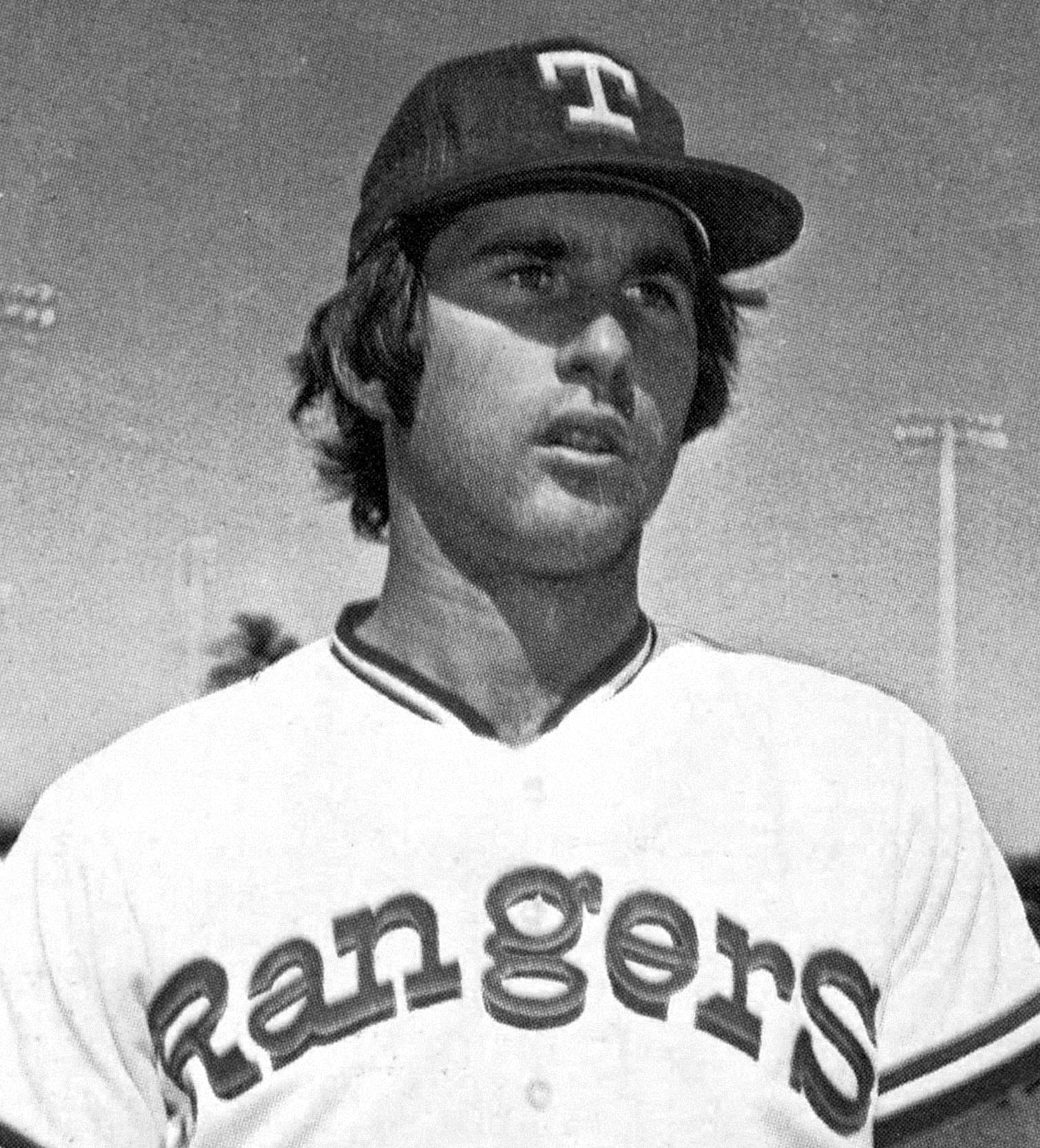
Fahey has drawn a walk 74 times while striking out on 93 plate appearances. His on-base percentage sits at .296 and he also has a lifetime OPS of .427. He has compiled 75 runs and also has 83 runs batted in. He has hit a home run 7 times, in addition to having 276 total bases and a .131 slugging %. Over the course of the 934 official at-bats in his pro career, Fahey has hit .241 with 225 base hits.
Bill Fahey
Bill Fahey may not be a household name like some legendary MLB players, but his journey through Major League Baseball is an interesting story that deserves attention. In this article, we will explore Fahey’s career as an MLB baseball hitter, his contributions to the game, and his legacy within MLB player history.



Early Life and Beginnings in Baseball
William Roger Fahey was born on June 14, 1950, in Detroit, Michigan. From a young age, Fahey showed a keen interest in baseball, a sport that would eventually define his professional life. Growing up in the heart of America’s baseball culture, Fahey honed his skills on the sandlots and baseball fields of Michigan.
Fahey’s passion for the sport led him to pursue baseball seriously during his school years. He was a standout athlete in high school, which caught the attention of MLB scouts. His dedication and talent paved the way for his entry into professional baseball.
Fahey’s MLB Debut and Career Overview
Bill Fahey made his Major League debut on April 7, 1971, with the Washington Senators. His entry into MLB marked the beginning of a career that would span over a decade. Fahey was primarily a catcher, a position that requires not only physical skill but also a deep understanding of the game. Catchers are often seen as the on-field leaders, guiding pitchers and managing the defense.


Playing with the Texas Rangers
In 1972, the Washington Senators relocated and became the Texas Rangers. Fahey continued with the team, playing for the Rangers until 1977. During his tenure with the Rangers, he was known for his reliability behind the plate and his ability to handle pitchers effectively. While not a power hitter, Fahey’s batting was respectable, and his defensive skills were highly valued by his teammates and coaches.
Transition to the San Diego Padres
After his time with the Rangers, Fahey was traded to the San Diego Padres in 1977. This move provided him with new opportunities and challenges. With the Padres, Fahey continued to showcase his skills as a dependable catcher. His experience and leadership were assets to the team, particularly in managing young pitchers and strategizing during games.
Final Years with the Detroit Tigers
Bill Fahey’s MLB journey came full circle when he joined the Detroit Tigers in 1983, bringing him back to his home state of Michigan. Although his time with the Tigers was brief, it was a fitting end to a solid MLB career. Fahey retired from professional baseball after the 1983 season, leaving behind a legacy of consistent performance and leadership.
Bill Fahey’s Impact on MLB Player History
While Fahey may not have achieved superstar status, his contributions to MLB cannot be overlooked. He played in a total of 452 games, amassing a career batting average of .241, with 7 home runs and 83 runs batted in (RBIs). His statistics may not jump off the page, but they reflect a player who performed his role with dedication and skill.
A Team Player
One of Fahey’s most notable qualities was his ability to work well within a team. As a catcher, he was instrumental in building strong pitcher-catcher relationships, which are crucial for a team’s success. His understanding of the game allowed him to anticipate plays and make strategic decisions that benefited his team.
Mentorship and Leadership
Fahey’s experience and knowledge of the game made him a valuable mentor to younger players. His leadership was evident both on and off the field, where he provided guidance and support to his teammates. This mentorship extended beyond his playing days, as Fahey continued to be involved in baseball through coaching and community engagement.
Life After Baseball
After retiring from MLB, Bill Fahey transitioned into coaching and player development roles. He remained connected to the sport, sharing his wealth of knowledge with aspiring players. Fahey’s post-MLB career included various coaching positions at both the major and minor league levels, where he focused on nurturing the next generation of baseball talent.
Community Engagement
Beyond his professional contributions, Fahey has been actively involved in his community, using his platform to inspire and give back. He has participated in youth baseball clinics and charitable events, reinforcing the values of sportsmanship and teamwork.
Conclusion
Bill Fahey’s journey as an MLB baseball hitter is a testament to the importance of perseverance, teamwork, and leadership in sports. While he may not have been the most celebrated player of his time, his impact on the game and his contributions to MLB player history are undeniable. Fahey’s career serves as an inspiring example of how dedication and a love for the game can leave a lasting legacy, both on and off the field.
As we reflect on the history of MLB and the players who have shaped it, Bill Fahey stands out as a player who made the most of his opportunities and left a positive mark on the sport. His story reminds us that every player, regardless of their fame or statistics, has a role to play in the rich tapestry of baseball history.