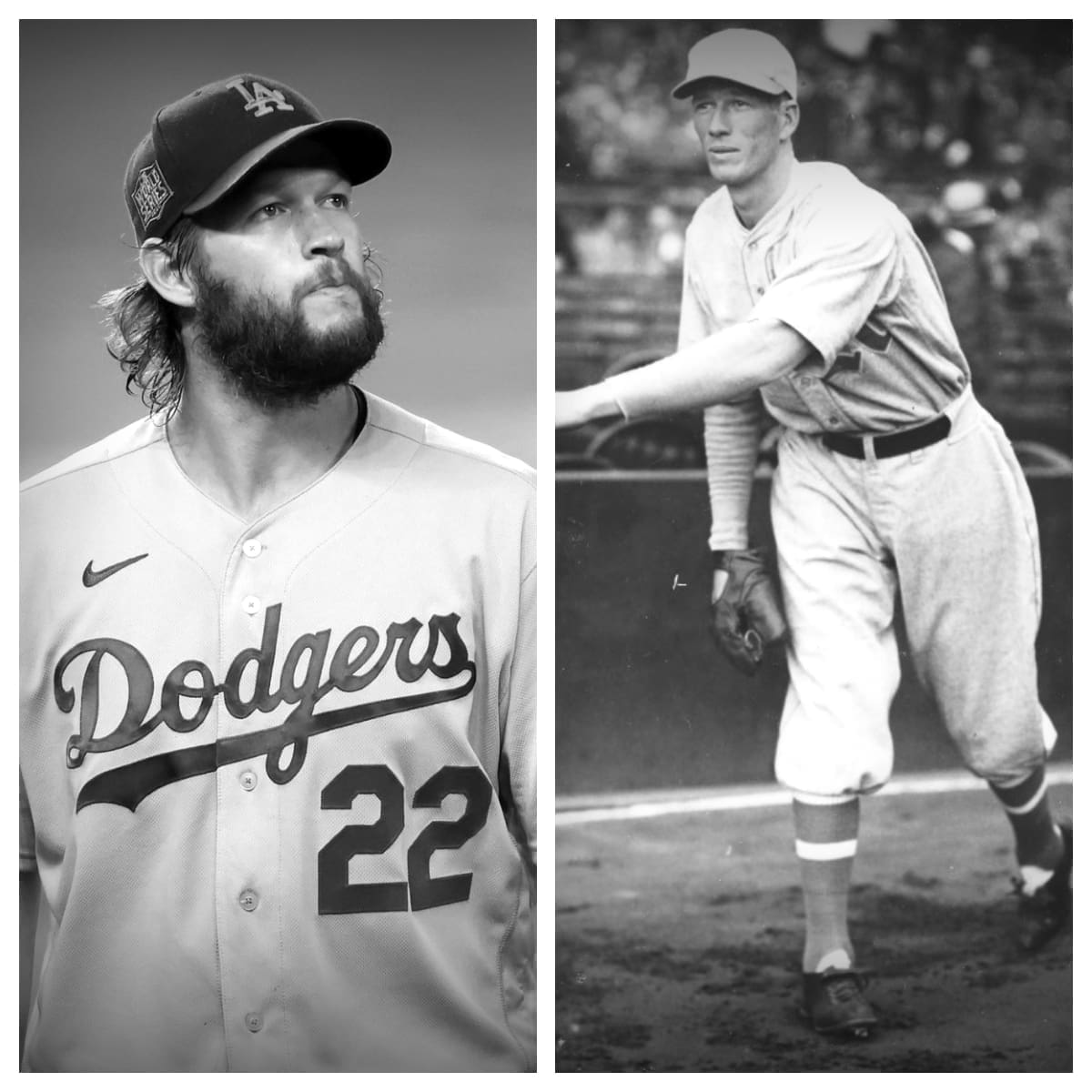
Meadows has taken the hill for 3,160 frames and has earned 1,063 punch outs thus far in his career. His ERA is 3.37 (1,185 ER’s allowed) and he has a career WHIP of 1.340. He has allowed 3,280 base knocks (9.3 hits per nine innings) with 956 walks. Meadows (188-180 career win-loss record) is the owner of a FIP of 3.32 while going up against 13,371 batters during his time in the majors.
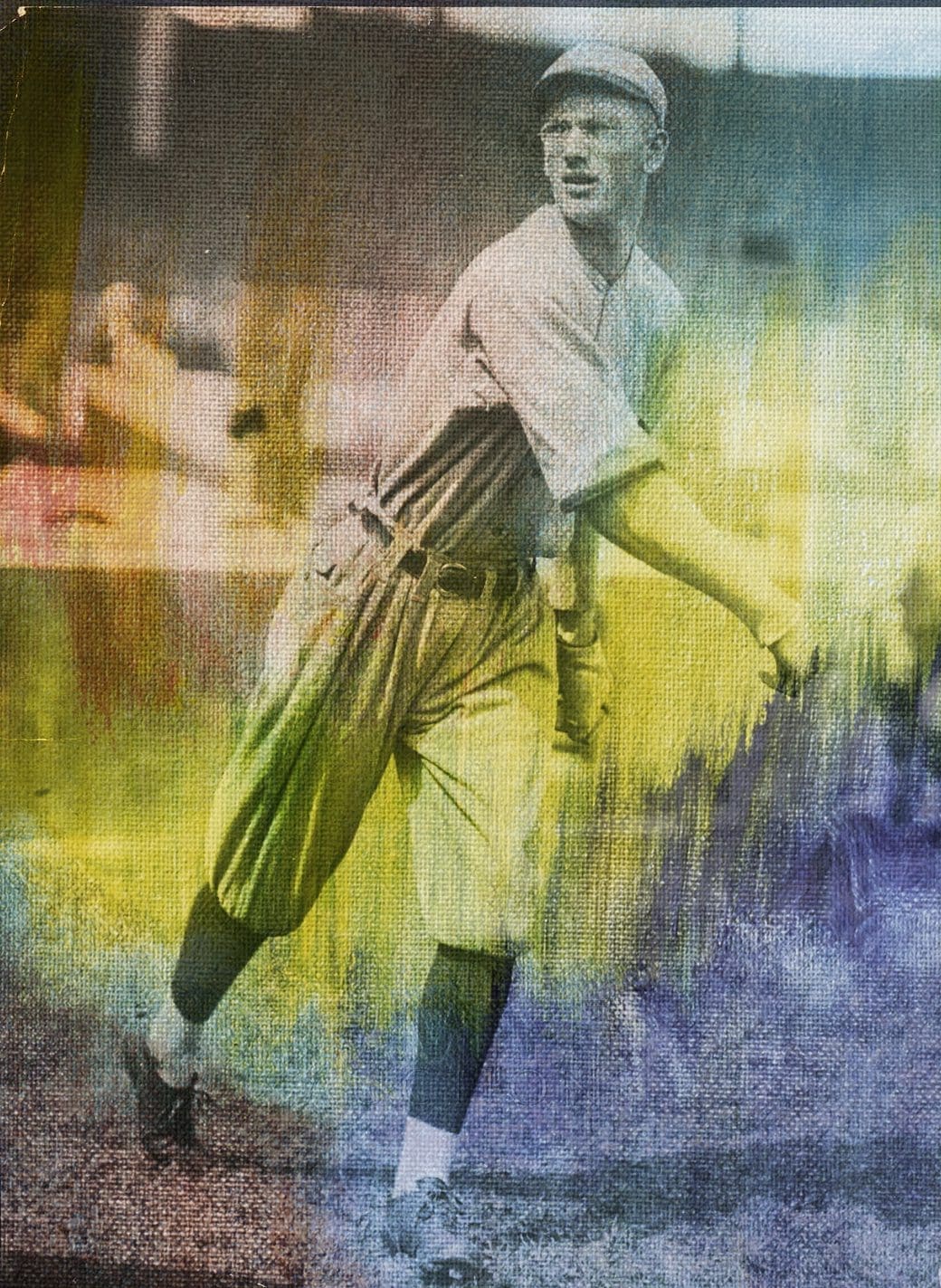
When we talk about baseball legends, the name Lee Meadows often comes up, especially for those who are fans of the early days of Major League Baseball (MLB). Known for his distinctive pitching style and remarkable career, Lee Meadows made a significant impact on the sport. In this article, we will delve into the life and career of this iconic MLB pitcher, exploring his journey, pitching statistics, and lasting legacy.
Early Life and Career Beginnings
Lee Meadows was born on July 12, 1894, in Oxford, North Carolina. His early interest in baseball was evident from a young age. Meadows developed his skills on local sandlots, quickly garnering attention for his talent. By the time he reached high school, his pitching prowess was undeniable, and it was clear that he was destined for a career in professional baseball.
The Road to MLB
Meadows’ journey to the Major Leagues was not without challenges. He played for several minor league teams, where he honed his skills and caught the attention of major league scouts. In 1915, his hard work paid off when he was signed by the St. Louis Cardinals. This marked the beginning of an illustrious MLB career.
MLB Career Highlights
Lee Meadows made his MLB debut with the St. Louis Cardinals in 1915. His debut season showcased his potential, and he quickly became known for his unique pitching style, characterized by his use of spectacles—a rare sight on the field at the time.
St. Louis Cardinals (1915-1919)
During his time with the Cardinals, Meadows established himself as a reliable pitcher. His performance was consistent, and he quickly became a fan favorite. Over five seasons, he achieved an impressive record, demonstrating both skill and resilience on the mound.
Philadelphia Phillies (1919-1923)
In 1919, Meadows was traded to the Philadelphia Phillies. This move proved beneficial for both Meadows and the team. During his tenure with the Phillies, Meadows delivered some of his best performances, showcasing his ability to adapt and excel in different environments. His time with the Phillies further solidified his reputation as a top-tier pitcher in the league.
Pittsburgh Pirates (1923-1929)
The pinnacle of Lee Meadows’ career came with his trade to the Pittsburgh Pirates in 1923. It was with the Pirates that Meadows truly made his mark. He played a crucial role in leading the team to the World Series championship in 1925. His contributions were instrumental in the Pirates’ success, and he became a celebrated figure in Pittsburgh sports history.
Pitching Style and Statistics
Lee Meadows was known for his control and strategic approach to pitching. Unlike many of his contemporaries who relied on sheer power, Meadows used precision and tactical acumen to outwit batters. His glasses became his trademark, earning him the nickname “Specs.”
Career Pitching Statistics
Meadows’ career statistics reflect his skill and consistency. Over his 15-year career, he amassed a record of 188 wins and 180 losses. He pitched over 3,000 innings, maintained an ERA (Earned Run Average) of 3.37, and struck out 1,063 batters. These statistics not only highlight his effectiveness as a pitcher but also underscore his durability and longevity in the sport.
Notable Achievements
- World Series Champion (1925): A career highlight for Meadows, contributing significantly to the Pirates’ victory.
- Top 10 in Wins (Multiple Seasons): Meadows consistently ranked among the top pitchers in terms of wins during several seasons.
- Durability: Known for his ability to pitch complete games, a testament to his endurance and skill.
Legacy and Impact
Lee Meadows’ impact on baseball extends beyond his statistics. He was a pioneer in many respects, particularly as one of the first pitchers to wear glasses during games. His success on the field helped pave the way for other players who required corrective lenses, proving that vision aids could be used without detracting from athletic performance.
Influence on Future Generations
Meadows’ career served as an inspiration for many young players. His strategic approach to pitching and his resilience in the face of challenges have made him a role model for aspiring pitchers. Even today, his legacy is remembered by baseball enthusiasts and historians alike.
Honoring a Baseball Legend
Although Meadows retired from professional baseball in 1929, his contributions to the sport have not been forgotten. He passed away on January 29, 1963, but his legacy lives on. The stories of his achievements and the records he set continue to inspire future generations of baseball players.
Conclusion
Lee Meadows was more than just an MLB pitcher; he was a trailblazer and a testament to the power of perseverance and skill. His career, marked by impressive statistics and notable achievements, serves as a reminder of the rich history of Major League Baseball and the players who have shaped it. Meadows’ legacy endures, inspiring both players and fans with his story of triumph and dedication.
In celebrating the life and career of Lee Meadows, we honor not only a great pitcher but also a cherished chapter in the history of baseball.