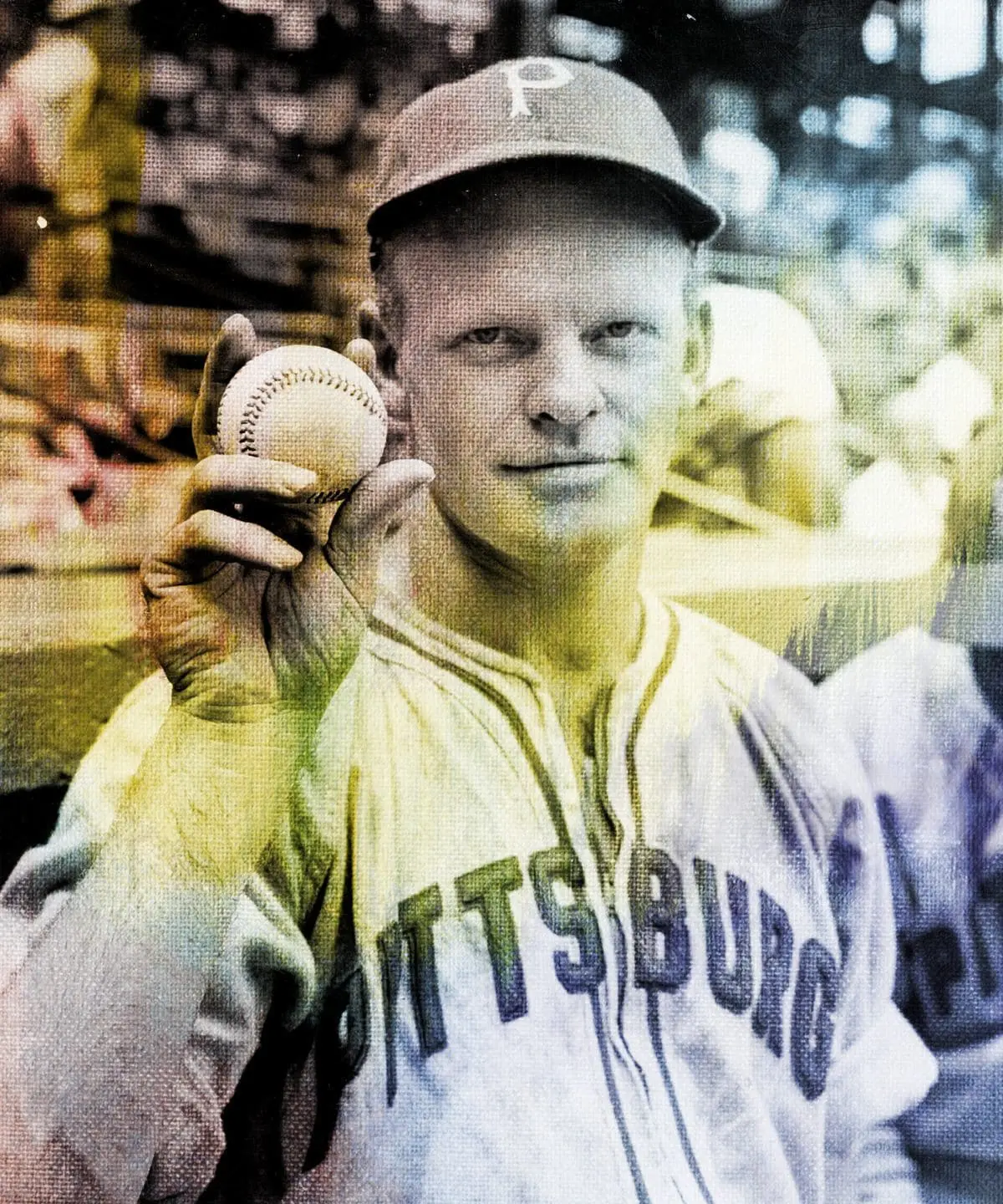
Sewell (143-97 career record) has earned a 3.48 ERA and has allowed 8.9 hits per nine innings. His strikeout to walk ratio is 0.85 and he has gone up against 9,100 batters so far in his MLB career. In his MLB career, Sewell has given up 2,101 base knocks while totaling 636 strikeouts in 2,119 innings. He has conceded 819 earned runs while earning a WHIP of 1.344 and a FIP of 3.4.
Rip Sewell: MLB Baseball Pitcher
In the rich tapestry of baseball history, few figures stand out quite like Rip Sewell. Known for his innovative and unique pitching style, Sewell left an indelible mark on Major League Baseball (MLB). His story is one of perseverance, creativity, and a touch of showmanship. This article delves into the life and career of Rip Sewell, focusing on his contributions to baseball and his famous “eephus pitch.”
Early Life and Career Beginnings
Born on May 11, 1907, in Decatur, Alabama, Truett Banks Sewell, affectionately known as “Rip,” began his journey in baseball at a young age. Sewell’s early years were marked by his passion for the sport, and he quickly made a name for himself as a talented pitcher in local leagues.



After honing his skills in semi-professional baseball, Sewell caught the attention of MLB scouts. In 1932, he made his debut with the Detroit Tigers, a dream come true for the young pitcher. However, his early years in the major leagues were not without challenges. Sewell faced fierce competition and struggled to find his footing among seasoned players.
Rise to Fame with the Pittsburgh Pirates
Sewell’s fortunes changed when he joined the Pittsburgh Pirates in 1938. It was here that he truly began to shine. Over the next few years, he developed his signature pitch that would become his hallmark—the eephus pitch.
The Eephus Pitch: A Game Changer
The eephus pitch, an unorthodox, high-arching lob, was unlike anything batters had seen before. The pitch’s slow speed and high trajectory made it difficult to hit, often leaving batters baffled and amused. Sewell’s innovation quickly became a sensation, drawing crowds eager to witness the spectacle.


The origin of the eephus pitch is a tale of necessity and creativity. After a hunting accident in 1942 left Sewell with a bullet wound in his toe, he was forced to adapt his pitching style. The result was the eephus pitch—a testament to Sewell’s ingenuity and determination.
Achievements and Legacy
Rip Sewell’s career reached its peak in the 1940s. He was named an All-Star four times (1943-1946) and led the National League in wins in 1943. Sewell’s prowess on the mound and his unique style made him a fan favorite and a respected figure in the baseball community.
Sewell’s legacy extends beyond his on-field achievements. His contributions to the game, particularly the introduction of the eephus pitch, have been immortalized in baseball lore. The pitch has inspired generations of pitchers to experiment and innovate, keeping Sewell’s spirit alive in the game.
Rip Sewell’s Impact on Baseball
Rip Sewell’s influence on baseball is undeniable. His ability to think outside the box and challenge conventional wisdom paved the way for future innovations in the sport. The eephus pitch, in particular, has become a part of baseball strategy, used by pitchers looking to surprise and outwit batters.
Influence on Modern Pitchers
Modern pitchers continue to draw inspiration from Sewell’s creativity. The eephus pitch, while rare, is still used in MLB games today. Pitchers like Zack Greinke and Yu Darvish have successfully incorporated variations of the pitch into their repertoire, showcasing its enduring appeal.
Rip Sewell in Popular Culture
Sewell’s story and the mystique of the eephus pitch have captured the imagination of baseball fans and historians alike. His life and career have been the subject of numerous articles, documentaries, and even television features. The enduring fascination with Sewell’s pitching style is a testament to his impact on the sport.
Conclusion
Rip Sewell’s journey from a young baseball enthusiast in Alabama to a celebrated MLB pitcher is a story of resilience, innovation, and passion. His contributions to baseball, particularly the creation of the eephus pitch, have left a lasting legacy that continues to influence the game today.
As fans and players reflect on the history of baseball, Rip Sewell stands out as a pioneer, reminding us of the power of creativity and determination in the face of adversity. His story serves as an inspiration to those who dare to challenge the norms and leave their mark on the world.
In conclusion, Rip Sewell’s impact on baseball is a testament to his skill, creativity, and enduring legacy. His story is a reminder of the rich history of the sport and the individuals who have shaped it.