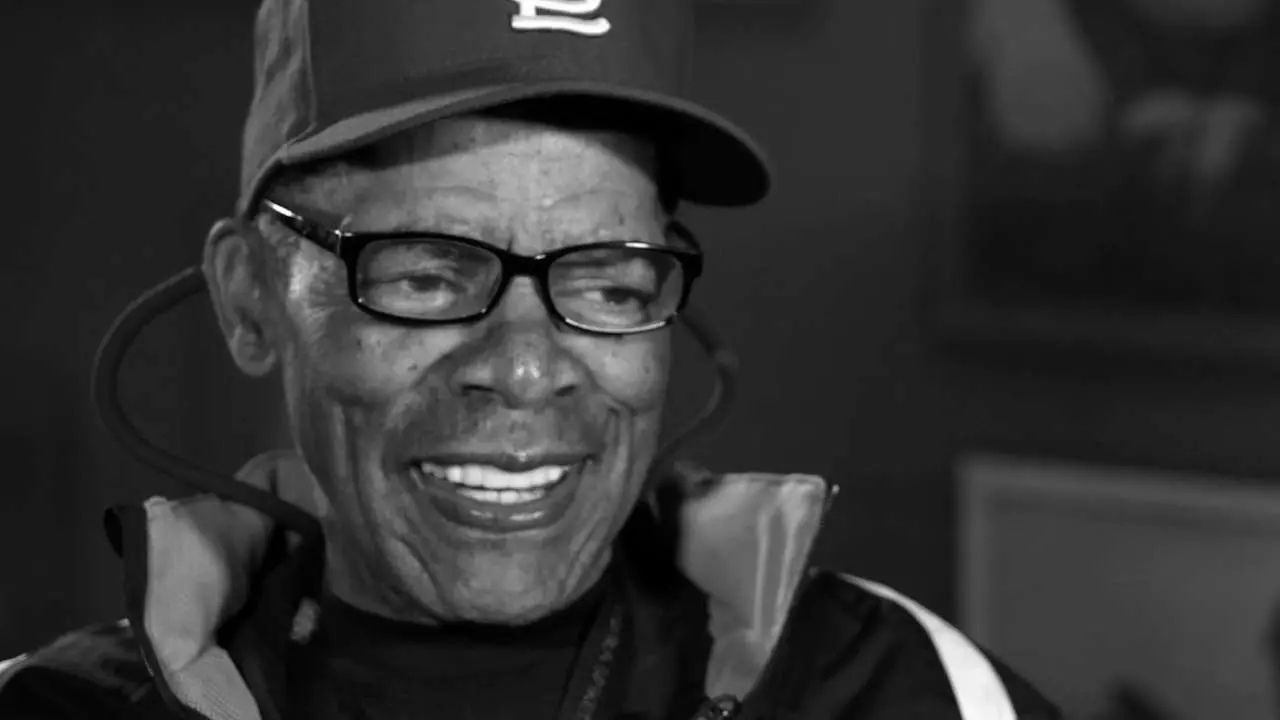
Savage has accrued an average at the plate of .233 for his time in baseball in addition to 202 scored runs and an OPS of .366. He has been struck out 272 times and earned a walk on 200 at-bats, contributing to a .334 on-base %. For his pro baseball career, Savage has drilled 34 balls over the fence while knocking in 163 runs. His slugging percentage sits at .032 and he has a total of 496 bases. Over the course of his pro career, he came to bat 1,614 times and has notched a base hit 321 times.
Ted Savage
Ted Savage MLB Baseball Hitter


The world of Major League Baseball (MLB) has seen a myriad of talented players, each leaving their mark on the game in their own unique way. Among these notable figures is Ted Savage, an MLB hitter whose career, though not as celebrated as some, still holds an interesting place in baseball history.
A Brief Introduction to Ted Savage
Ted Savage, born on February 21, 1936, in Venice, Illinois, was an American professional baseball outfielder. He played in the Major Leagues from 1962 to 1971, appearing for a number of teams throughout his career. Known for his versatility and speed on the field, Savage was a player who adapted to various roles, contributing to his teams with both his bat and his glove.
Early Life and Path to the MLB
Savage’s journey to the MLB wasn’t a straightforward one. He played college baseball at Lincoln University and later served in the U.S. Army, where he continued to hone his skills. After his service, Savage played in the minor leagues, where he showcased his potential and caught the attention of MLB scouts.


His big break came in 1962 when he made his debut with the Philadelphia Phillies. It was the beginning of a career that would see him play for eight different teams over the course of a decade.
Ted Savage’s MLB Career
Teams and Positions
Savage’s MLB career was marked by his movement across various teams, including the Philadelphia Phillies, Pittsburgh Pirates, St. Louis Cardinals, Chicago Cubs, Los Angeles Dodgers, Cincinnati Reds, Milwaukee Brewers, and Kansas City Royals. This frequent transfer from team to team is indicative of a journeyman player, valued for his ability to fill different roles as needed.
In the field, Savage primarily played as an outfielder, demonstrating his defensive skills and speed. However, it was his performance at the plate that many remember him for.
Batting Performance
Ted Savage’s batting statistics may not place him among the legendary hitters of MLB, but they tell the story of a consistent and reliable player. Over his career, Savage maintained a batting average of .233. While this may not seem remarkable at first glance, it’s important to consider the era in which he played and the different teams and roles he adapted to.
His most productive season came in 1970 with the Milwaukee Brewers, where he achieved a .279 batting average, hit 12 home runs, and drove in 50 runs. This performance was a testament to his ability to adapt and excel when given the opportunity.
Notable Achievements and Stats
- Career Batting Average: .233
- Home Runs: 34
- Runs Batted In (RBIs): 163
- Stolen Bases: 56
These statistics, while modest, highlight the role that Savage played as a supportive team member and a versatile player who could be relied upon to contribute both offensively and defensively.
The Role of a Journeyman Player
Ted Savage’s career is a classic example of the journeyman player, a term used to describe athletes who move frequently between teams. These players are often not the superstars, but they are vital to the game, bringing flexibility and experience to every team they join.
Importance of Versatility in Baseball
In baseball, versatility is a prized attribute. Players like Savage, who can adapt to various positions and roles, provide teams with much-needed depth. This adaptability ensures that teams can maintain a competitive edge even when faced with injuries or strategic shifts.
Contributions Beyond the Stats
While statistics provide a quantitative measure of a player’s performance, they don’t capture the full impact that players like Ted Savage have on their teams. His experience and understanding of the game allowed him to mentor younger players and provide leadership in the clubhouse.
Life After Baseball
After retiring from active play, Ted Savage continued his association with baseball in various capacities, including as an executive and community relations representative for the St. Louis Cardinals. His post-playing career highlights his continued passion for the sport and his dedication to giving back to the community.
Community Engagement
Savage was known for his efforts in community engagement and youth programs. His work off the field was as impactful as his contributions on it, demonstrating his commitment to using his platform to inspire and support others.
Remembering Ted Savage
Ted Savage may not be a household name in the annals of MLB history, but his career offers invaluable lessons about versatility, perseverance, and the importance of team players. His story is a reminder of how every player, regardless of their stats, plays a crucial role in the rich tapestry of baseball.
In conclusion, while Ted Savage’s MLB career might not be highlighted by record-breaking achievements, his legacy as a reliable and adaptable player endures. He remains a figure of inspiration for aspiring baseball players who understand that success in sports is not solely measured by statistics, but also by the influence and contributions one makes on and off the field.