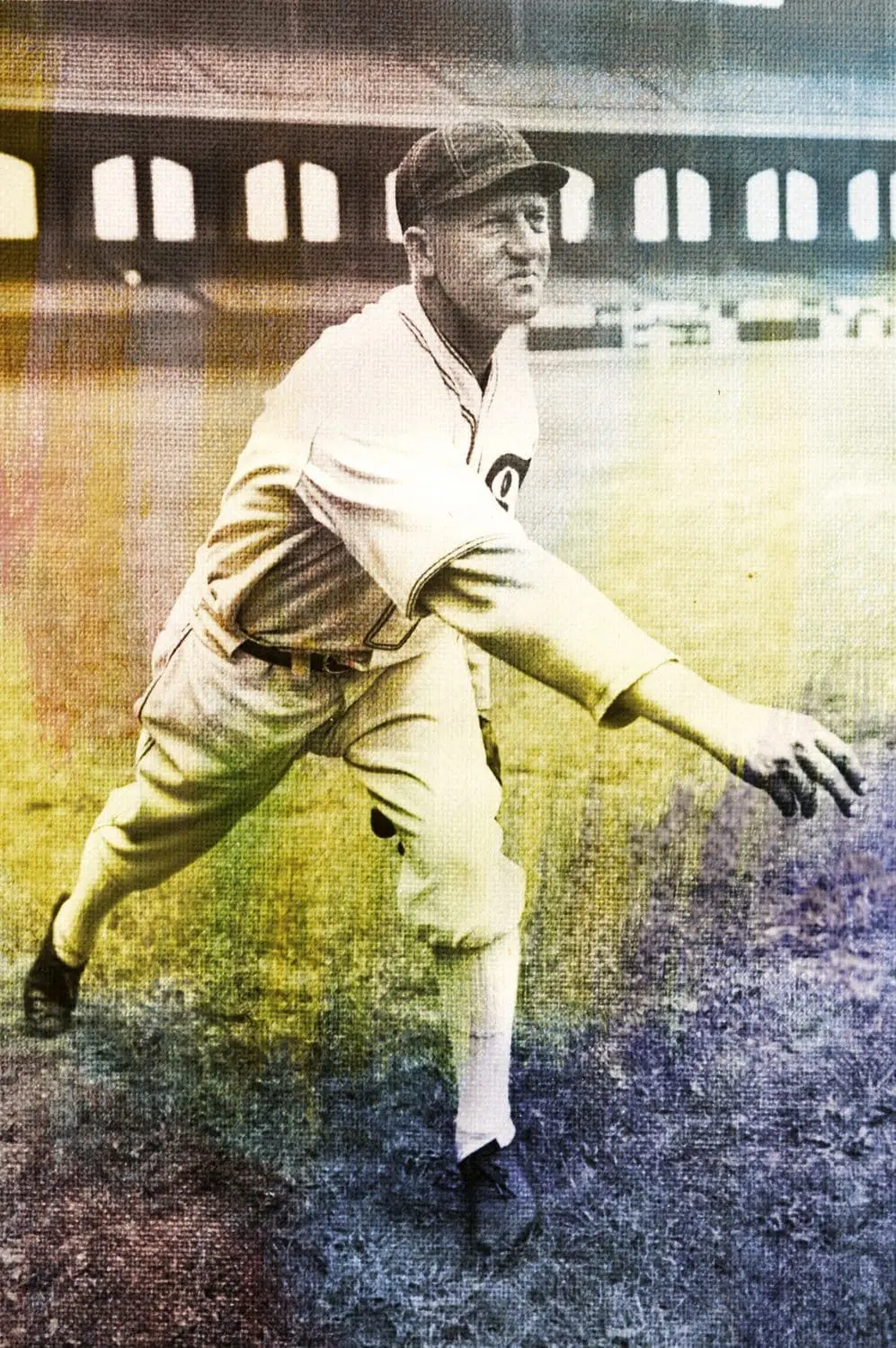
Faber has pitched in 4,086 innings and has totaled 1,471 punch outs during his career. His earned run average is 3.15 (1,430 earned runs allowed) and he has a career WHIP of 1.302. He has surrendered 4,106 base knocks (9.0 hits per nine innings) and has 1,213 free passes. Faber (254-213 mark in his career) holds a FIP of 3.10 while going up against 17,104 hitters in the major leagues.
In the annals of Major League Baseball (MLB), few pitchers have left as indelible a mark as Red Faber. Known for his skillful pitching and perseverance through the evolving landscape of early 20th-century baseball, Faber’s legacy is one that enthusiasts and historians continue to celebrate.
Urban Clarence “Red” Faber was born on September 6, 1888, in Cascade, Iowa. Growing up, Faber was drawn to baseball, a sport that quickly became his passion. He demonstrated remarkable talent early on, which paved his way to the major leagues.
Faber’s journey to professional baseball was not straightforward. Initially, he played for the St. Joseph’s College team and then moved on to the Dubuque Miners in the minor leagues. His performance caught the attention of MLB scouts, and soon, he signed with the Chicago White Sox, marking the beginning of a storied career.
MLB Career with the Chicago White Sox
Red Faber made his MLB debut on April 17, 1914, with the Chicago White Sox. Over his 20-year career with the team, Faber became renowned for his effective use of the spitball, a legal pitch at the time, that made his deliveries nearly unhittable.
Notable Achievements and Milestones
Faber’s career was filled with remarkable achievements. One of his most significant accomplishments was helping the White Sox clinch the World Series in 1917. During the series, Faber’s pitching was instrumental in securing victories, and he ended the series with three wins, solidifying his reputation as a clutch performer.
In 1920, MLB banned the spitball, but pitchers like Faber who already used it were grandfathered in, allowing them to continue using the pitch until their retirement. This rule change highlighted Faber’s adaptability and skill, as he continued to perform at a high level even after many of his peers had to adjust their styles drastically.
| # | Preview | Product | Price | |
|---|---|---|---|---|
| 1 |
|
MLB | Buy on Amazon | |
| 2 |
|
Rawlings | Official 2025 Major League Baseball | Display Case Included | MLB | ROMLB-R |
$18.50 |
Buy on Amazon |
Career Stats and Legacy
Red Faber’s career statistics reflect his status as one of the era’s premier pitchers. Over 20 seasons, he achieved a 254-213 win-loss record, an impressive feat by any standard. His career earned run average (ERA) of 3.15 further underscores his effectiveness on the mound. Additionally, Faber struck out 1,471 batters over his career, showcasing his ability to dominate hitters consistently.
Faber’s contributions to the game were recognized when he was inducted into the Baseball Hall of Fame in 1964. His legacy as a dominant pitcher and a key figure in the White Sox’s history remains intact, inspiring future generations of players.
Red Faber’s Baseball Cards
For collectors and fans of baseball memorabilia, Red Faber’s baseball cards are treasured items. These cards not only capture Faber’s image but also serve as historical artifacts from an era when baseball was solidifying its place as America’s pastime.
Collecting Faber’s Baseball Cards
Faber’s baseball cards, particularly those from his playing days, are sought after by collectors. They offer a glimpse into the past, featuring the artwork and photography styles of the early 20th century. Cards from sets like the T206 and T205 are especially prized due to their rarity and the iconic status they hold within the hobby.
Collectors value Faber’s cards not only for their rarity but also for the story they tell about a player who excelled during one of the most competitive eras in baseball history. Owning a Red Faber card is like holding a piece of baseball’s golden age.
Personal Life and Legacy
Beyond the baseball diamond, Red Faber led a life characterized by quiet determination and humility. He was known for his sportsmanship and dedication to the game, attributes that earned him respect from teammates and opponents alike.
After retiring from baseball in 1933, Faber remained connected to the sport, often attending games and participating in events that celebrated baseball’s rich history. His life off the field was marked by his commitment to his family and community, further cementing his status as a beloved figure both in and out of baseball circles.
Conclusion
Red Faber’s journey through Major League Baseball is a testament to his skill, adaptability, and unwavering passion for the game. From his early days in Iowa to his pivotal role in the Chicago White Sox’s success, Faber’s legacy is one of excellence and resilience.
His career stats and accolades speak volumes about his impact on the sport, and his baseball cards continue to be cherished by collectors worldwide. As we look back on his life and career, Red Faber remains a shining example of what it means to be a dedicated and talented athlete in the world of baseball.
Whether you’re a fan, a collector, or a budding baseball historian, Red Faber’s story offers a rich tapestry of achievements and values that continue to resonate in the hearts of many. His legacy in MLB is not only preserved through statistics and memorabilia but also through the enduring admiration of those who appreciate the history and evolution of the game.